Sofa Cushions: What Makes Them Comfortable, Durable, and Worth the Investment

When you sit down on a sofa, it’s not the frame or the legs that you feel—it’s the sofa cushions, the padded layers that support your body and define how a sofa feels after years of use. Also known as seat cushions, they’re the part that compresses, sinks, and sometimes collapses if poorly made. A good set lasts years. A bad one turns your favorite chair into a slouchy disappointment in months.

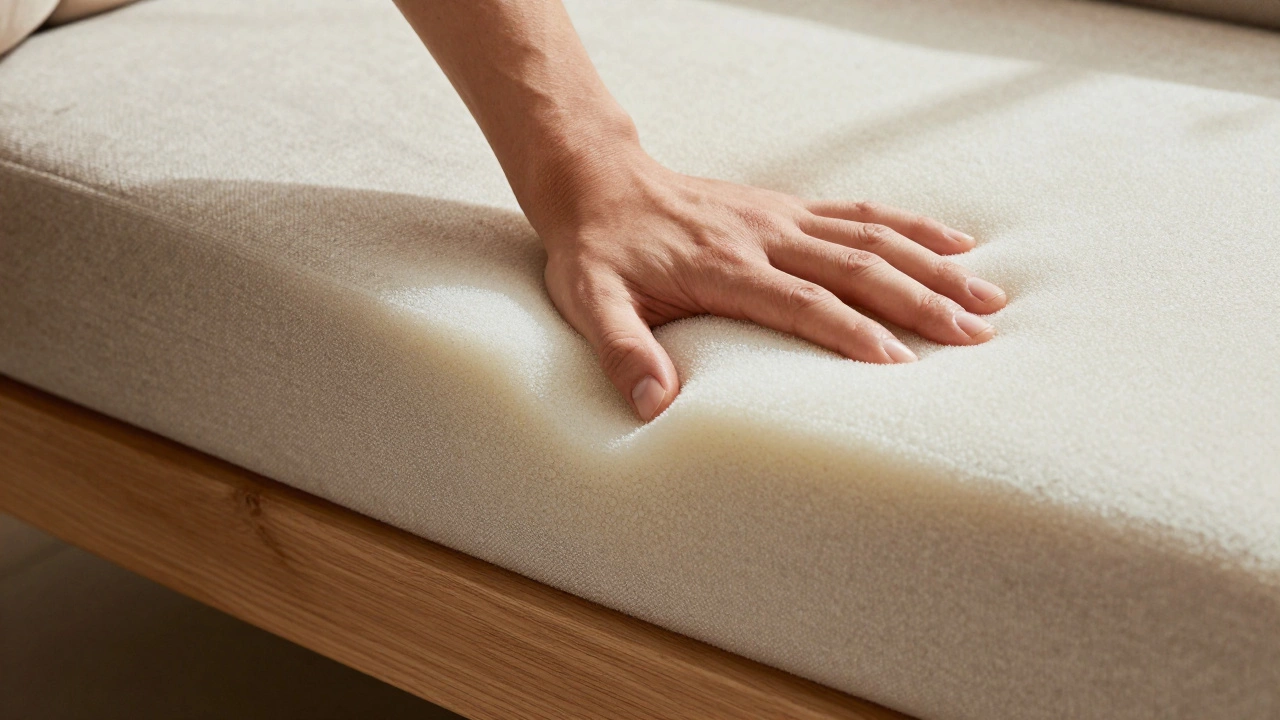
The difference between a cushion that lasts and one that flattens fast comes down to three things: foam density, how tightly packed the foam is, measured in pounds per cubic foot, the fill material, whether it’s down, polyester, or a mix that holds shape, and the cushion depth, how far back your body sinks before hitting the frame. High-density foam (2.5 lbs/ft³ or more) doesn’t sag like cheap foam. Down blends give that plush sink but need fluffing. Polyester fills are low-maintenance but often feel flat after a year. And cushion depth? If it’s too shallow, you’re sitting on the edge. Too deep, and you’re practically lying flat—neither feels right for everyday use.

What you see in the posts below isn’t just random advice. These are real-world fixes and insights from people who’ve lived with bad cushions, replaced them, or bought sofas that held up. You’ll find out why Lazy Boy cushions last longer than most, how sofa depth affects your back, and why some cushions look expensive just because of how they’re stitched and filled. You’ll also see how cushion problems connect to bigger issues—like leg pain from recliners or why beige sofas stay popular (hint: it’s not just color, it’s how the cushions hold up over time). This isn’t about buying new furniture. It’s about understanding what’s inside the one you already have—and how to make it work better.
How to Tell a Good Sofa: A Practical Guide to Quality, Comfort, and Longevity

How to Tell a Good Sofa: A Practical Guide to Quality, Comfort, and Longevity

Desmond Lockwood Dec. 1 0

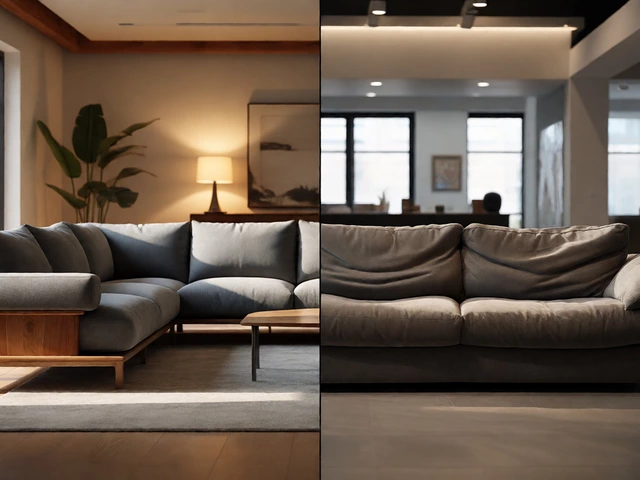
Learn how to spot a durable, comfortable sofa that won’t sag or break after a year. Key checks: frame material, cushion density, fabric rating, and warranty length.

More Detail
Recent posts
Alternative Solutions to a Traditional TV Stand

No TV stand? No problem! Whether you're saving space or seeking style, discover creative and practical alternatives to traditional TV stands. From repurposing furniture to exploring modern shelving, this guide offers actionable ideas to elevate your entertainment setup. Explore unique solutions that reflect your personality and maximize functionality in your living space. Start transforming your TV area today!

Do Amish Village Traditions Embrace POLYWOOD Garden Furniture?

The Amish community is renowned for their skilled craftsmanship, simple living, and use of traditional materials such as wood. However, with the rise of eco-friendly materials like POLYWOOD, which is made from recycled plastics, there's curiosity about whether the Amish have integrated such materials into their garden furniture. This article explores the unique blend of tradition and modernity in Amish furniture-making practices and examines the potential for using POLYWOOD. Discover how Amish values interact with contemporary environmental concerns and innovative materials.

The Most Detrimental Sitting Habits Explained

When it comes to office work, sitting improperly can have adverse effects on one's health. This article explores the least healthy sitting positions and offers practical tips to improve posture at work. Avoiding these detrimental habits can save you from back pain, neck strain, and other physical discomforts. Discover the significance of ergonomic solutions and how they can enhance your well-being by making simple adjustments.

About Us

Sofas