Sofa Comfort: What Makes a Sofa Truly Comfortable for Your Body
When we talk about sofa comfort, how a sofa feels when you sit in it after a long day. It's not about how plush it looks—it's about how well it supports your body. A sofa that feels amazing for five minutes might leave you aching an hour later. Real comfort comes from the right balance of support, depth, and cushion firmness—not just soft foam piled high.
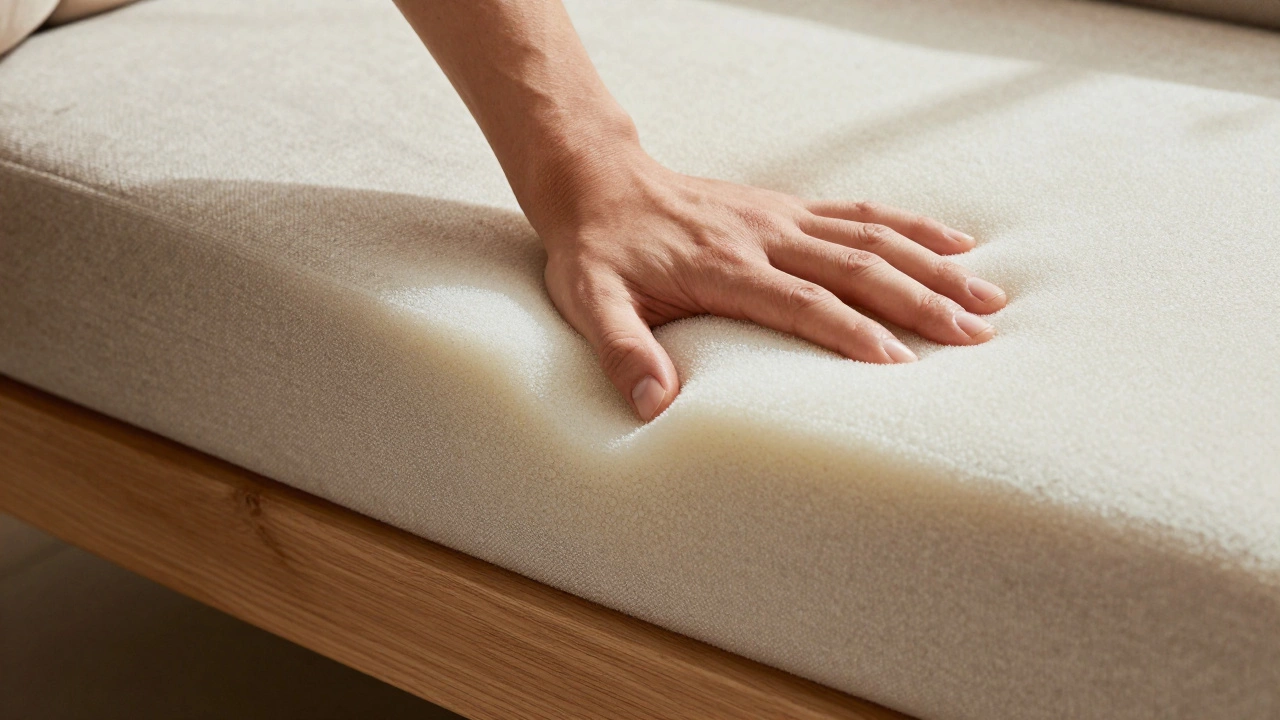
sofa depth, the measurement from the front edge of the seat to the backrest is one of the most overlooked factors. If you're tall, a shallow sofa forces you to curl up. If you're shorter, a deep one swallows you whole. Most people assume deeper is better, but that’s not true for everyone. The ideal depth? Around 21 to 24 inches for average height, but it changes if you like to stretch out or sit upright. Then there’s sofa cushioning, the material and density under the fabric. High-density foam lasts longer and holds shape. Down blends feel luxurious but sink too much for some. Memory foam molds to you—but if it’s too soft, you’ll feel stuck. And don’t ignore the sofa seating, how the seat and backrest work together to support your spine. A good seat should let your thighs rest flat while your knees bend at a 90-degree angle. The back should cradle your lower spine, not leave it hanging.
Comfort isn’t just about sitting. It’s about how you use the sofa. Do you nap on it? Do you read with your feet up? Do you have kids or pets jumping on it? The right sofa adapts to your life, not the other way around. You don’t need a $5,000 sectional to get this right. You just need to know what your body needs—and what to look for under the fabric.
Below, you’ll find real-world tests and honest breakdowns of what actually works. From why a 55-inch sofa might be better than a 70-inch one for your back, to how cushion firmness changes over time, to the surprising truth about recliners and sofa depth—these posts cut through the marketing noise and show you what matters.