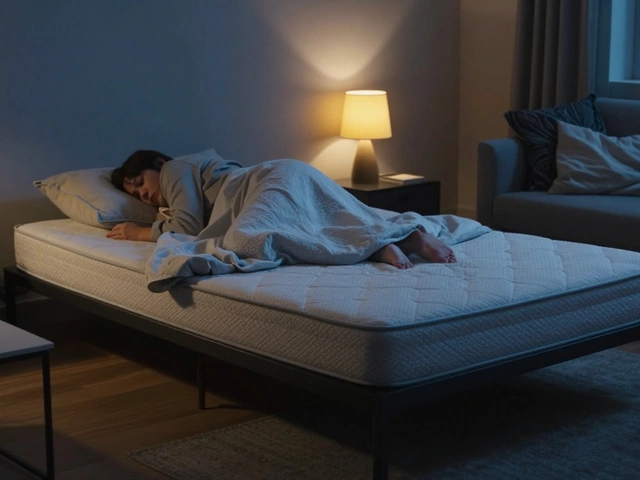
Sleep Position Guide: Choose the Best Way to Rest
Ever wonder why you feel sore after a night on the couch? It’s often the way you lie down. The right sleep position can keep your back happy, lower the risk of snoring, and even improve digestion. Below, we break down the most common positions, why they matter, and how simple furniture tweaks can make a big difference.
Common Sleep Positions
Back sleeper: Lying flat on your back spreads weight evenly. It’s great for spinal alignment but can worsen snoring. If you’re a back sleeper, try a thin pillow under your neck and a small cushion under your knees to keep the curve of your spine natural.
Side sleeper: This is the most popular style. It relieves pressure on the spine and helps with acid reflux. Keep a firm pillow between your knees to stop the upper leg from pulling your hips forward. A mattress that’s not too soft will keep your hips and shoulders from sinking too deep.
Stomach sleeper: Sleeping on your stomach can strain the neck because you have to turn your head to breathe. If you can’t break the habit, use a very flat pillow or no pillow at all. A mattress that’s on the firmer side will reduce the amount your body sinks, easing the stretch on your spine.
Furniture Tips to Support Your Sleep
Even the best sleep position needs the right support from your bedroom set‑up. Here are a few easy fixes you can do without a full remodel.
Choose the right mattress: A medium‑firm mattress works for most people. It holds the spine in a neutral position while still giving a little give for side sleepers. If you’re buying new, test the feel for at least 15 minutes in your typical sleeping pose.
Invest in a good pillow: Pillows shouldn’t be a one‑size‑fits‑all. Back sleepers need a thinner pillow, side sleepers a thicker one, and stomach sleepers the thinnest possible. Look for pillows that keep your neck aligned with the rest of your spine.
Mind the bed frame: A sturdy frame prevents the mattress from sagging over time. If you have a window seat or built‑in storage, make sure the mattress sits on a flat surface without gaps.
Consider custom bedroom furniture: At Crafted Furniture Solutions we can design a headboard with built‑in storage for your pillows, or a low‑profile nightstand that doesn’t force you to reach too far. Small changes like a tailor‑made bedside lamp at the right height can keep you from straining your neck when you read before bed.
Control the room temperature: Cool rooms (around 65°F/18°C) help your body relax. If your bedroom gets too warm, a breathable rug or a light throw can keep you comfortable without overheating.
Finally, keep your sleep space clutter‑free. Too many items on the floor make it easy to trip or knock things over when you get up at night. A tidy room cues your brain that it’s time to unwind.
Changing your sleep position isn’t a huge overhaul, but pairing the right posture with a supportive bed can turn restless nights into solid, refreshing sleep. Try one adjustment at a time and notice how you feel in the morning. If you need a custom piece that fits your sleep style perfectly, reach out to Crafted Furniture Solutions – we love helping people create bedrooms that work for them.