Sitting Positions: How to Choose Comfort and Style in Every Room
Ever flop onto a couch and feel it’s just not right? The truth is, where you sit matters more than you think. A good sitting position not only makes your space look nicer, it protects your back, improves posture, and lets you enjoy the room fully.
First thing’s first – think about the purpose of the area. Is it a TV‑watching zone, a chat spot, or a reading nook? Each use calls for a different angle, height, and distance. Matching the function to the furniture makes the whole room feel intentional.
Ergonomic Basics for Chairs and Sofas
When you sit in a chair, aim for a 90‑degree angle at your knees and hips. Your feet should rest flat on the floor, and the backrest should support the natural curve of your spine. If the chair is too low, add a cushion. Too high? A footstool does the trick.
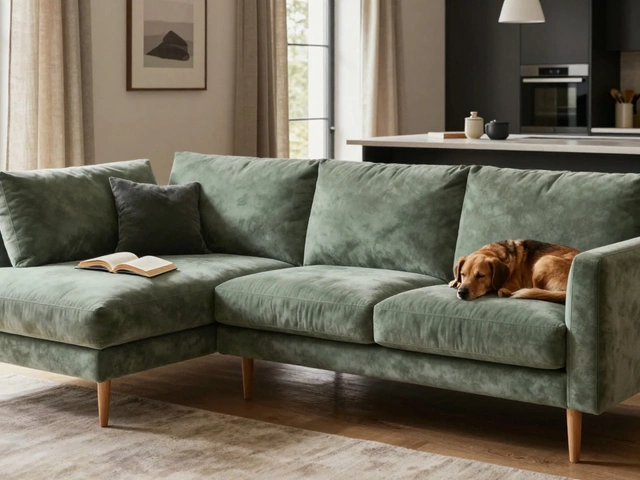
Sofas follow a similar rule, but you have more flexibility. A seat depth of 18‑22 inches works for most people. If you’re tall, choose a deeper seat or a sofa with a higher back. Shorter folks benefit from a firmer cushion that doesn’t sink too far.
Don’t forget armrests. They should let your elbows rest at about a 90‑degree angle without lifting your shoulders. Adjust or add pillows if the built‑in arms are too high or low.
Smart Living‑Room Layout Tips
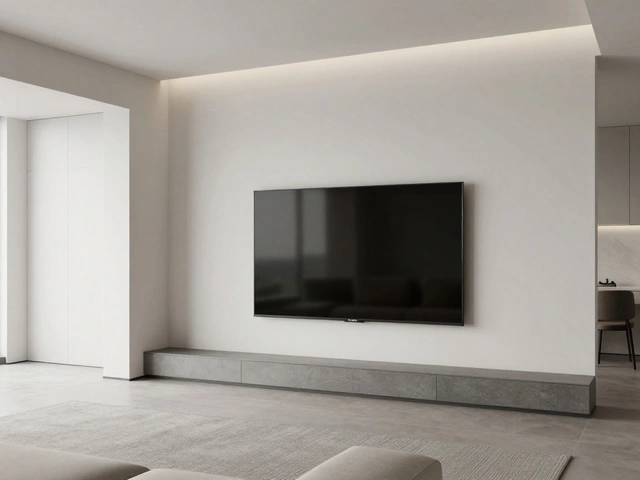
Place your main seating where it has a clear view of the TV or focal point, but keep a comfortable distance – roughly 2.5 times the screen size. For a 55‑inch TV, that’s about 9‑10 feet away.
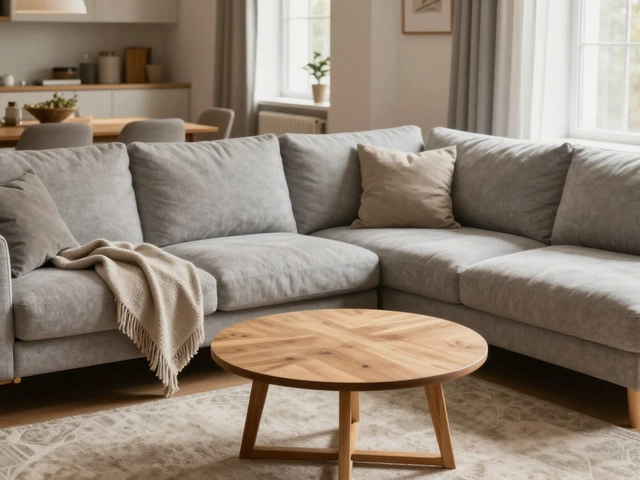
If you have a coffee table, leave at least 12‑18 inches of space around it so you can move freely. A round table works well in tighter corners because it reduces sharp edges.
Try the “U‑shape” layout for conversation zones. Two sofas facing each other with a low ottoman in the middle creates an inviting spot for drinks and chats. Keep the path to the kitchen or entryway clear – no one likes to weave around a dangling footrest.
For small rooms, floating furniture off the walls can open up the floor. Push a chair or a loveseat toward the center, then add a side table. The empty wall can hold art or shelving without feeling cramped.
And remember, lighting plays into sitting comfort. A floor lamp behind a reading chair reduces eye strain, while dimmer lights near a TV keep the screen from glare.
Lastly, test each spot. Sit for a minute, check if you’re slouching, and see if you can reach a table without stretching. Small tweaks – a tighter cushion, a different angle, or a new footstool – can turn an awkward seat into your favorite spot.
By thinking about purpose, ergonomics, and layout, you’ll create sitting positions that feel natural, look great, and keep you comfortable for hours. Happy arranging!