Safety
When thinking about Safety, the practice of preventing accidents and preserving the condition of items and people. Also known as security, it’s the backbone of every home decision, from how you store seasonal gear to where you place a TV. Safety isn’t a single rule; it’s a collection of habits that keep your space functional and your family healthy.
Key safety areas for home furniture and storage
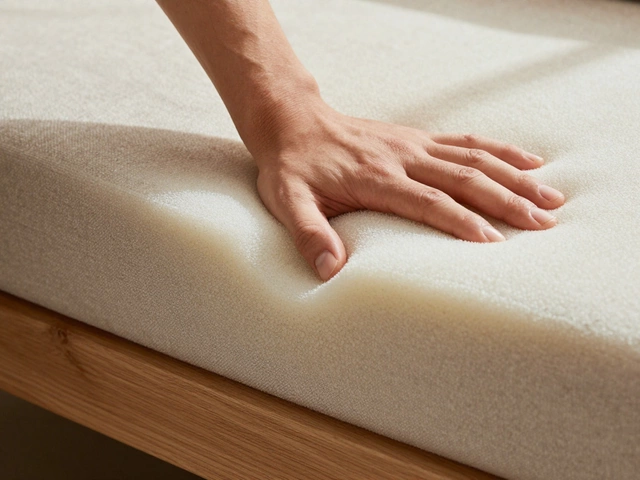
Good Storage, a method of keeping belongings organized and protected from damage practices reduce humidity risks that can lead to mold growth. When you choose breathable boxes, use silica packs, and avoid stacking heavy items on top of delicate pieces, you create a preventive barrier that preserves both value and safety. This is a clear example of the semantic triple: safety encompasses proper storage.
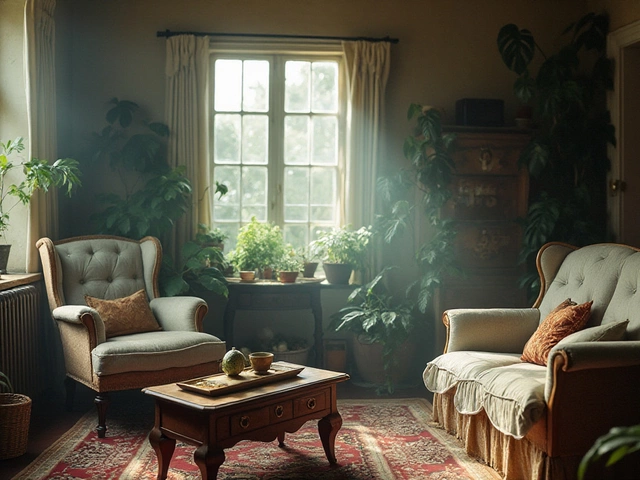
Understanding Mold, fungal growth that thrives in damp, poorly ventilated areas is vital because mold directly threatens indoor air quality and health. Simple steps like wiping down wet surfaces, using dehumidifiers, and selecting mold‑resistant finishes keep the environment safe. In this way, mold prevention influences safety, reinforcing the link between clean air and accident‑free living.
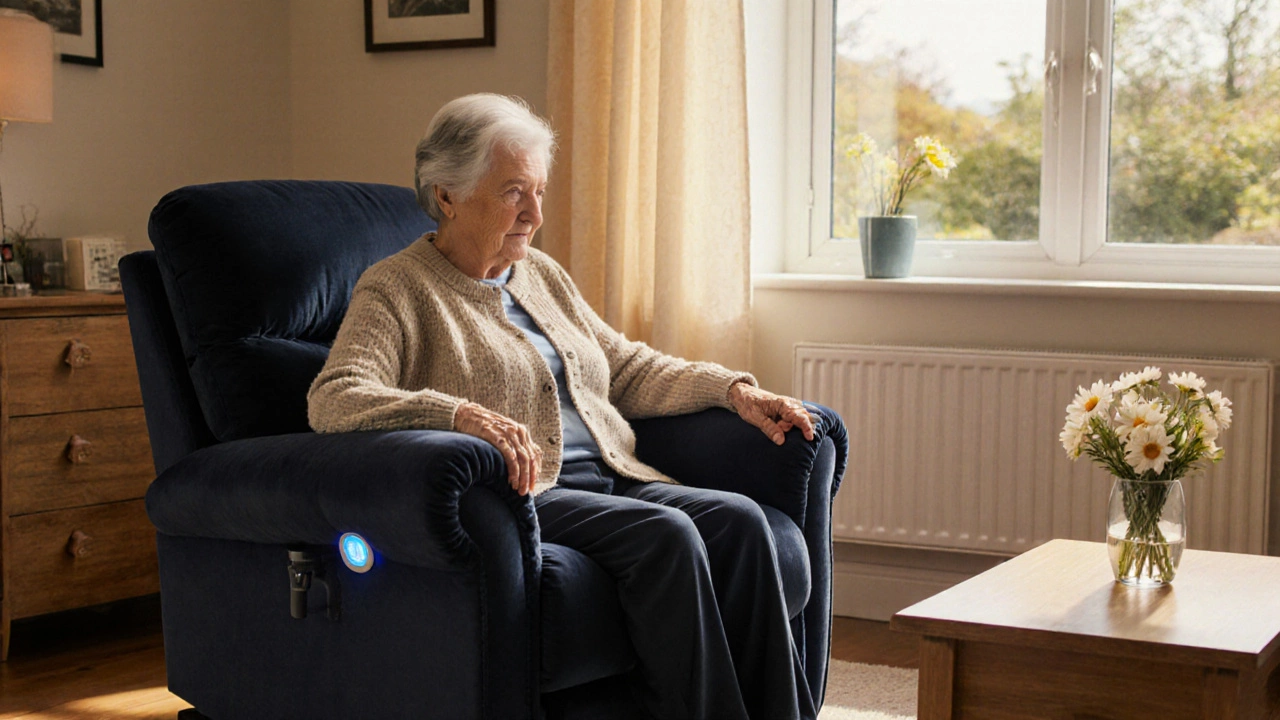
Ergonomic considerations are another pillar of Ergonomics, the science of designing spaces to fit the human body and movement. Choosing a recliner that supports the spine, arranging a TV at eye level, and avoiding unsafe sleeping positions for seniors all reduce strain and injury risk. Here, safety requires ergonomic choices, completing another semantic triple.
Placement safety focuses on where you put heavy or heat‑generating items. Avoid setting a TV above a fireplace, keep speakers away from direct sunlight, and give corner sofas enough clearance to prevent bump‑ins. These guidelines prevent glare, overheating, and accidental falls, making the room both functional and secure.
Finally, durability matters. Selecting weather‑proof materials for outdoor furniture, storing wood pieces in climate‑controlled units, and using proper padding for fragile décor extend lifespan while maintaining safety standards. The right material choices protect against warping, cracking, and unexpected breakage.
All these topics—storage, mold, ergonomics, placement, and durability—intertwine to form a comprehensive safety strategy for any home. Below you’ll find articles that dive deep into each area, offering checklists, step‑by‑step guides, and real‑world tips you can start using right away.