How to Remove Mold Quickly and Safely

Found a dark patch on your bathroom wall or in the attic? That’s mold, and you can deal with it yourself without hiring a pro. The key is to act fast, use the right tools, and keep the area dry afterward.

Spotting Mold Before It Spreads

Mold loves damp, dark places. Look for black, green, or even white fuzzy spots on walls, ceilings, and behind furniture. A musty smell is another warning sign. If you notice any of these, check the humidity level – anything above 60% is a red flag. Seal any leaks, because water is the main fuel for mold growth.

DIY Steps to Clean It Up

First, protect yourself. Wear an N95 mask, gloves, and goggles. Open windows for fresh air if it’s safe to do so.

Next, mix a cleaning solution. One part bleach to three parts water works well on non‑porous surfaces like tiles, glass, and sealed wood. For painted walls or furniture, use undiluted white vinegar or a commercial mold cleaner. Apply the solution with a spray bottle, let it sit for 10‑15 minutes, then scrub with a stiff brush.

Rinse the area with clean water and dry it thoroughly. A fan or dehumidifier can speed up drying. If the mold is on porous material such as drywall or carpet, it’s best to remove and replace those pieces – the mold roots can stay hidden.

When the job is done, keep the space dry. Use a dehumidifier, fix any leaks, and improve ventilation with exhaust fans or by opening windows regularly. A simple habit like wiping down shower walls after use can stop mold before it starts.

If the patch is larger than a foot square, or if you have health issues like asthma, consider calling a professional. Otherwise, these steps let you control mold on most surfaces around the house.

Remember, mold isn’t just an eyesore – it can affect your health and damage belongings. By spotting it early, cleaning it right, and keeping humidity low, you protect both your home and yourself.

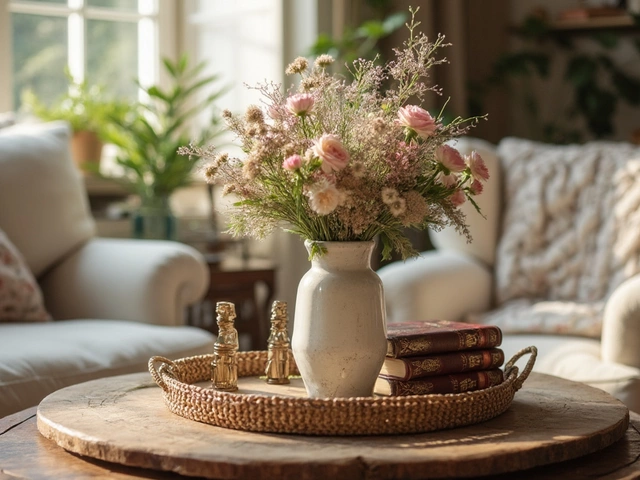
What Kills Mold and Mildew on Furniture? Best Home Solutions That Actually Work

What Kills Mold and Mildew on Furniture? Best Home Solutions That Actually Work

Desmond Lockwood Aug. 6 0

Blast away stubborn mold and mildew on your furniture with proven, safe cleaning hacks. Understand what actually kills mold, and how to keep your home fresh for good.

More Detail
Recent posts
How Much Should You Spend on a Good Desk Chair? A Realistic Guide for 2025

Learn how much to spend on a desk chair that actually supports your back and lasts years-not just months. Real price breakdowns, top brands, and what to avoid.

Is It Practical to Place a Chair in Front of a Bookcase?

Placing a chair in front of a bookcase can transform a space into a cozy reading nook, but it involves thoughtful consideration to maintain both functionality and style. This article explores the practicality and aesthetics of this arrangement, offering tips on balancing accessibility with visual appeal. Readers will learn about the advantages of this setup, how to enhance the look with accents, and which types of chairs work best. With insights into optimizing small spaces, the advice aims to help create a harmonious and inviting home environment. Discover how this simple change can affect your personal space and improve your reading experience.

Is Building Your Own Wardrobe More Cost-Effective?

Exploring the cost-effectiveness of building your own wardrobe can be an enlightening journey. From sourcing materials to the satisfaction of personal craftsmanship, this article discusses various factors that impact the expenses and efforts required. Compare the investment needed for a DIY wardrobe against purchasing one and discover helpful tips to make an informed decision. Whether looking for a unique piece or aiming to save funds, this guide casts light on the pros and cons of constructing your own storage solution.

About Us

Other