Recliner Leg Pain: Causes, Fixes, and What to Look for in a Chair
When your recliner leg pain, discomfort or aching in the legs after sitting in a recliner, often linked to poor support, improper angles, or underlying health conditions. It's not normal—and it’s not just "getting older." Many people blame their age, but the real culprit is often the chair itself. A recliner should ease pressure, not create it. If your legs feel tight, numb, or sore after sitting, something’s off with how the chair supports your body.
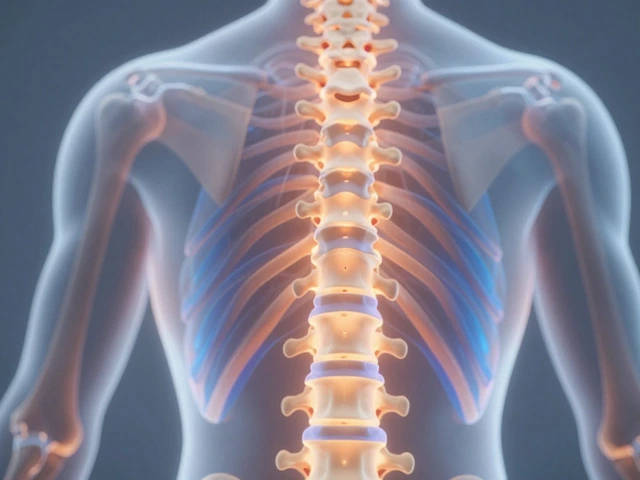
One common issue is posture, the alignment of your spine and limbs while seated, which directly affects blood flow and nerve pressure in the legs. If the footrest is too high or too low, your knees get bent at awkward angles. That pinches nerves or cuts off circulation. You might not feel it right away, but after 20 minutes, your calves start throbbing. This isn’t just discomfort—it’s a warning sign. People with degenerative disc disease, a condition where spinal discs break down over time, often leading to nerve compression and referred pain in the legs are especially vulnerable. The wrong recliner can make that pain worse by forcing the lower back into a rounded shape instead of supporting its natural curve.
Then there’s the senior recliner, a chair designed with extra support, easier lift mechanisms, and proper leg positioning for older adults with mobility or joint issues. These aren’t just fancy recliners—they’re medical-grade seating. Many standard models don’t account for reduced muscle strength, thinner skin, or circulation problems common in seniors. If you’re over 65 and getting leg pain, you’re not being picky—you’re being smart. Look for chairs with adjustable footrests, lumbar support you can fine-tune, and a lift function that helps you stand without straining.
It’s not just about the chair’s shape, though. The material matters too. Too-soft foam collapses under your legs, pushing your knees upward. Hard plastic footrests dig into your calves. Even the angle of the seat can tilt your pelvis forward or backward, throwing off your whole alignment. A good recliner keeps your hips slightly higher than your knees, your feet flat, and your lower back supported. No slouching. No dangling. No pressure points.
You don’t need to spend thousands to fix this. But you do need to know what to look for. Check the footrest height range. Test the recline angle. Sit for at least 10 minutes before deciding. If your legs start to tingle, walk away. The right chair won’t just stop the pain—it’ll make sitting feel like rest, not punishment.
Below, you’ll find real advice from people who’ve been there: how to spot a bad recliner, what features actually help, and which models get praised by those with chronic leg discomfort. No fluff. Just what works.