Protective Packaging
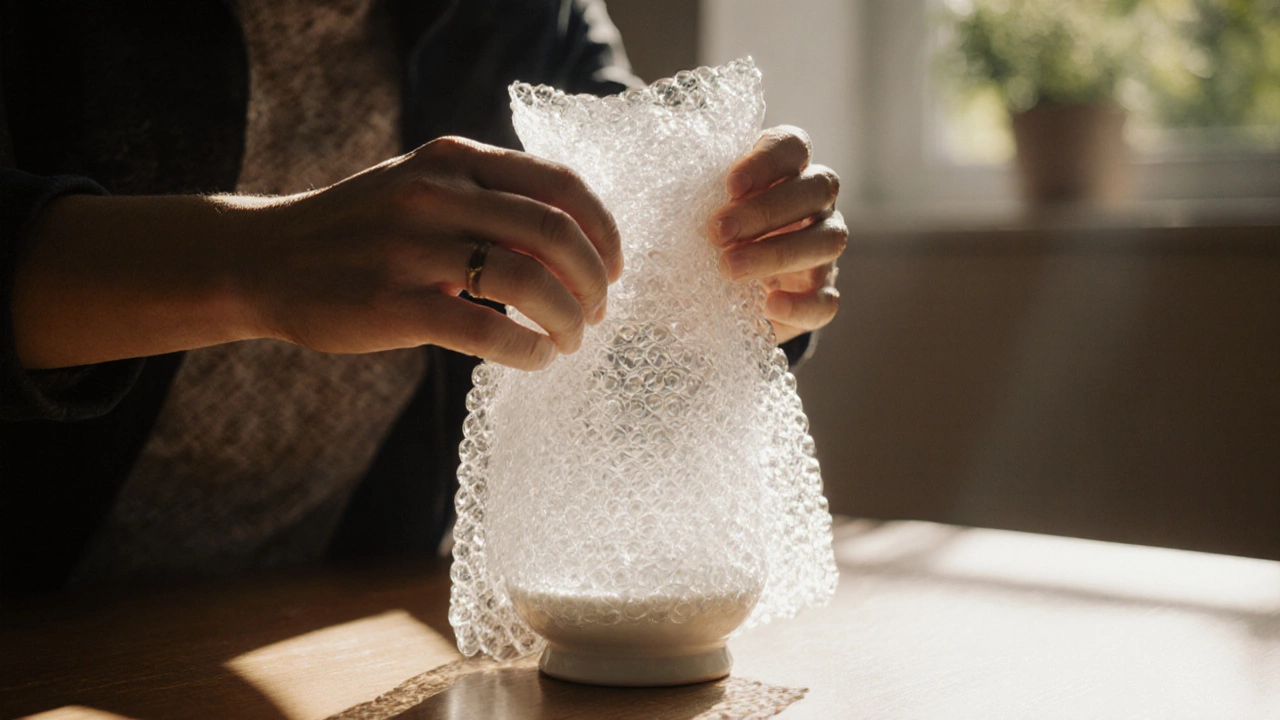
When working with protective packaging, a set of methods and materials designed to shield products from damage during handling, transport, and storage. Also known as packaging protection, it helps businesses reduce returns, improve customer satisfaction, and save money on replacements. Protective packaging encompasses cushioning material, soft fillers such as bubble wrap, paper pulp, or air pillows that absorb shocks, requires careful packaging design, the layout and choice of containers that match the shape and fragility of the item, and often relies on foam inserts, custom‑molded pieces that cradle delicate parts and prevent movement. The relationship is clear: good packaging design influences how well cushioning material performs, and foam inserts provide targeted shock absorption where it matters most. Shipping companies also play a role; shipping containers, the boxes, crates, or pallets that move goods from point A to B need to be paired with the right protective packaging to avoid dents, breaks, or moisture damage. In short, protective packaging requires the right mix of materials, design, and logistics to keep products safe.
Why Protective Packaging Matters
Think about the last time a package arrived cracked or missing pieces. That experience usually comes from a gap in one of three areas: material choice, design fit, or handling conditions. Choosing the right cushioning material, for example, depends on the product’s weight and fragility—light items might be fine with bubble wrap, while heavy electronics benefit from high‑density foam. The design step is equally vital; a snugly fitted box reduces shifting, and adding dividers or inserts can keep multiple components from rubbing together. Finally, understanding how shipping containers are stacked, stacked, and exposed to temperature changes helps you select moisture‑resistant liners or insulated packaging when needed. By linking these concepts—material, design, and container—you create a protective system that reduces loss, cuts warranty costs, and builds trust with customers. Below you’ll find articles that walk through each of these pieces, from the basics of bubble wrap to advanced foam‑molding techniques, so you can pick the right solution for any product.