Polywood Outdoor Furniture: What It Is and Why It Matters
If you’ve ever wondered why some patio sets look like they could survive a hurricane, chances are they’re made of Polywood. Polywood is a brand‑name blend of recycled plastics, usually sourced from old milk jugs, soda bottles, and other post‑consumer waste. That mix gives the material the strength of wood but the resilience of plastic, so it won’t rot, splinter, or crack when rain hits.
The biggest win? You get the look of classic teak or cedar without the constant upkeep. No sanding, no sealing, and no need to bring a brush inside every winter. Just wipe it down, and it’s good to go. That’s why homeowners, cafés, and even hotels love it – it saves time, money, and a lot of headaches.
Key Benefits of Choosing Polywood
First up, durability. Polywood handles UV rays, salty sea air, and fluctuating temperatures like a champ. The colour stays true because the pigments are baked into the plastic, so you won’t see fading after a summer of sun. Second, it’s low‑maintenance. A quick rinse with a garden hose or a dab of mild soap removes dirt, and you’re set. Third, it’s eco‑friendly. By turning plastic waste into furniture, you’re cutting landfill volume and giving new life to materials that would otherwise sit around for centuries.
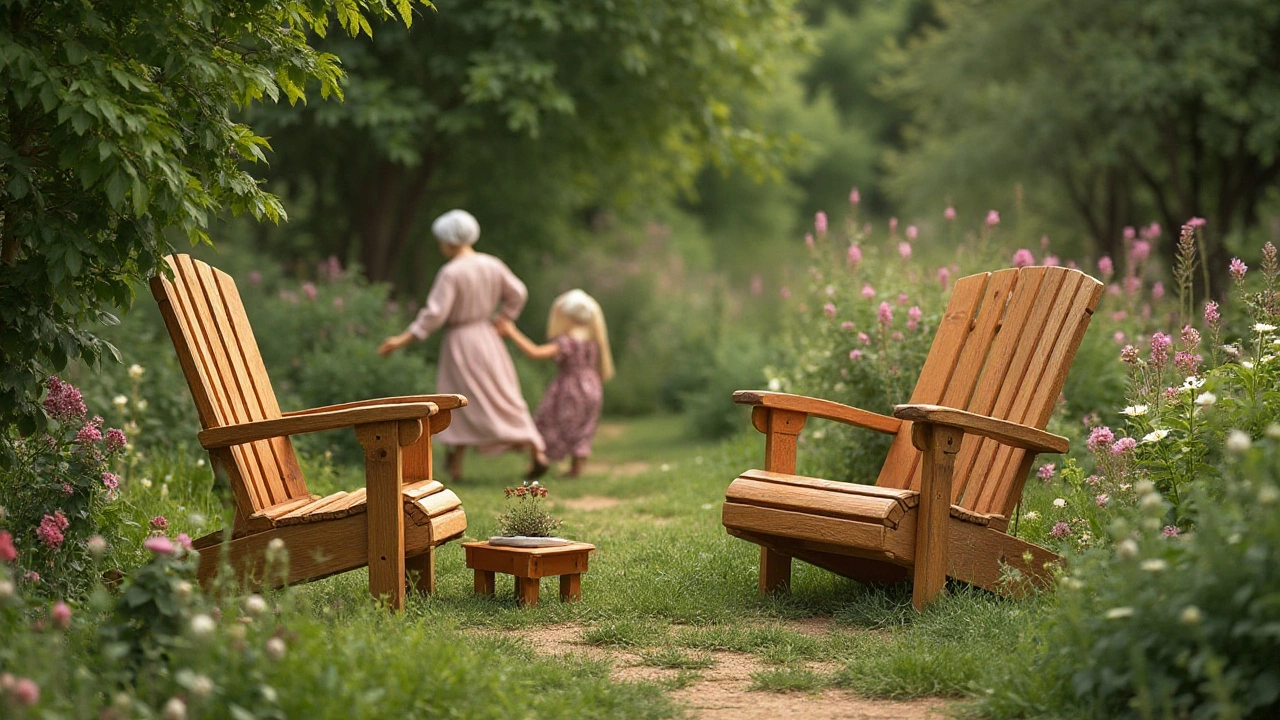
Another perk is versatility. Polywood comes in a range of styles – from sleek modern lines to more traditional, rustic looks. You can match it with cushions, umbrellas, and lighting to create a cohesive outdoor living area. Because the material is water‑proof, you can even leave cushions on the furniture year‑round without worrying about mildew.
How to Care for Your Polywood Pieces
Keeping Polywood looking fresh is simple. For everyday cleaning, use a soft cloth or sponge with warm, soapy water. Rinse well to avoid soap residue. If you notice stubborn stains, a mixture of baking soda and water works like a charm – apply, let sit a few minutes, then scrub gently.
During the winter months, you don’t have to store the furniture indoors, but covering it with a breathable tarp helps protect against snow buildup and abrasive grit. Avoid abrasive cleaners or steel wool; they can scratch the surface and reduce the lifespan of the finish.
If you want to boost the look, consider swapping out cushions or adding a fresh coat of outdoor paint designed for plastics. Just make sure the paint specifies compatibility with polyethylene or polypropylene, the core polymers in Polywood.
Buying Tips – What to Look For
When shopping, check that the product is certified Polywood. The brand usually stamps a logo on the frame or includes a warranty card. A good warranty (often 10‑15 years) signals confidence in the material’s durability.
Measure your space first. Polywood furniture tends to be a bit heavier than traditional wood, so think about how you’ll move it if needed. Also, match the style to your existing outdoor décor – the material works well with both contemporary metal brackets and classic wicker accents.
Finally, compare prices. While Polywood can be pricier upfront than cheap plastic chairs, the longevity and low maintenance usually make it cheaper over time. Look for package deals that include tables, loungers, and accessories to get the best value.
Bottom line: Polywood offers a win‑win of style, strength, and sustainability. Whether you’re setting up a cozy balcony or a sprawling garden lounge, it delivers the look of premium wood without the constant grind of upkeep. Invest once, enjoy for years, and feel good knowing you’re keeping plastic out of the landfill.