POLYWOOD competitor: Best alternatives for durable outdoor furniture
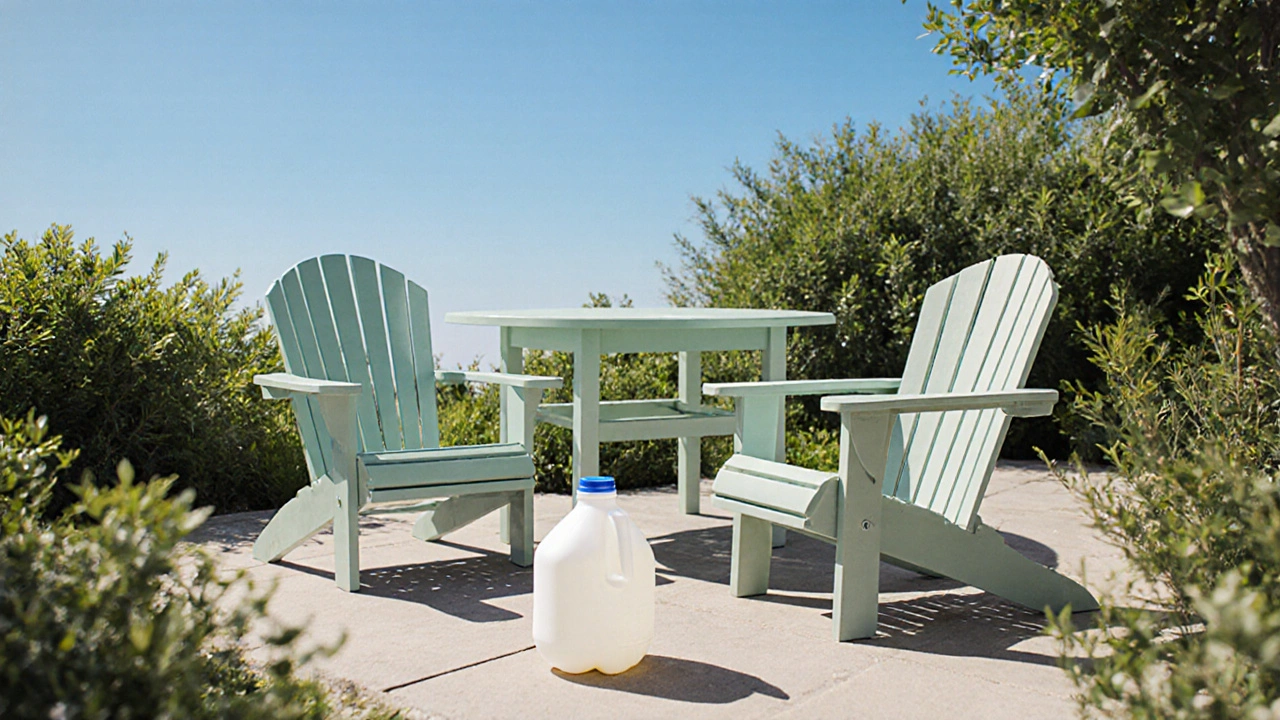
When people search for a POLYWOOD competitor, a brand or product that offers similar recycled plastic outdoor furniture with high durability and low maintenance. Also known as recycled plastic patio furniture, it's designed to last years in sun, rain, and snow without fading or cracking. Most don’t realize there are better, cheaper, or just different options out there. POLYWOOD made recycled plastic furniture popular, but it’s not the only player—and sometimes, it’s not the best fit for your budget, style, or climate.
One major recycled plastic furniture, outdoor seating made from post-consumer plastic waste, often HDPE, molded into solid, weatherproof pieces alternatives include brands like Trex Outdoor Furniture and Harbor Breeze. These use the same material base but often cut costs by simplifying designs or skipping premium finishes. Then there’s teak outdoor furniture, a natural wood option known for its oil-rich density that resists rot, insects, and moisture without chemical treatment. Teak doesn’t look like POLYWOOD—it’s warmer, grainier, and ages to a silvery gray—but it lasts longer in humid climates and doesn’t get as hot in direct sun. If you live where winters are harsh, teak’s natural resilience beats plastic that can become brittle over time.
Another group of weather-resistant seating, outdoor furniture built to endure exposure to elements without rotting, rusting, or degrading options comes from local UK makers who use recycled plastic but focus on handcrafted details. These aren’t mass-produced like POLYWOOD—they’re made in small batches, often with custom colors and thicker frames. You pay more than a big-box store, but less than POLYWOOD’s premium pricing, and you get something truly unique. Some even use upcycled materials from local industries, which cuts down on shipping emissions and supports regional craftsmanship.
And let’s not forget the quiet winner: aluminum frames with all-weather woven resin. Brands like Gloster and Patio Renaissance offer frames that won’t rust, paired with fade-resistant weaves that feel softer than plastic and look more upscale. These setups don’t scream "recycled"—they whisper "designer." They’re lighter than POLYWOOD, easier to move around, and often come with better warranties.
What most people miss is that a POLYWOOD competitor isn’t just another plastic chair. It’s about matching material to your needs. If you want zero maintenance and bold colors, plastic works. If you want natural beauty and longevity, go teak. If you want lightweight elegance and modern lines, try aluminum and resin. And if you care about supporting local makers over corporate supply chains, there are UK-based options that beat POLYWOOD on ethics and uniqueness.
Below, you’ll find real reviews, comparisons, and buyer tips from people who’ve tested these alternatives in UK weather. No fluff. No marketing hype. Just what works, what doesn’t, and why.