Natural Light and Your Furniture: Simple Ways to Brighten Every Room
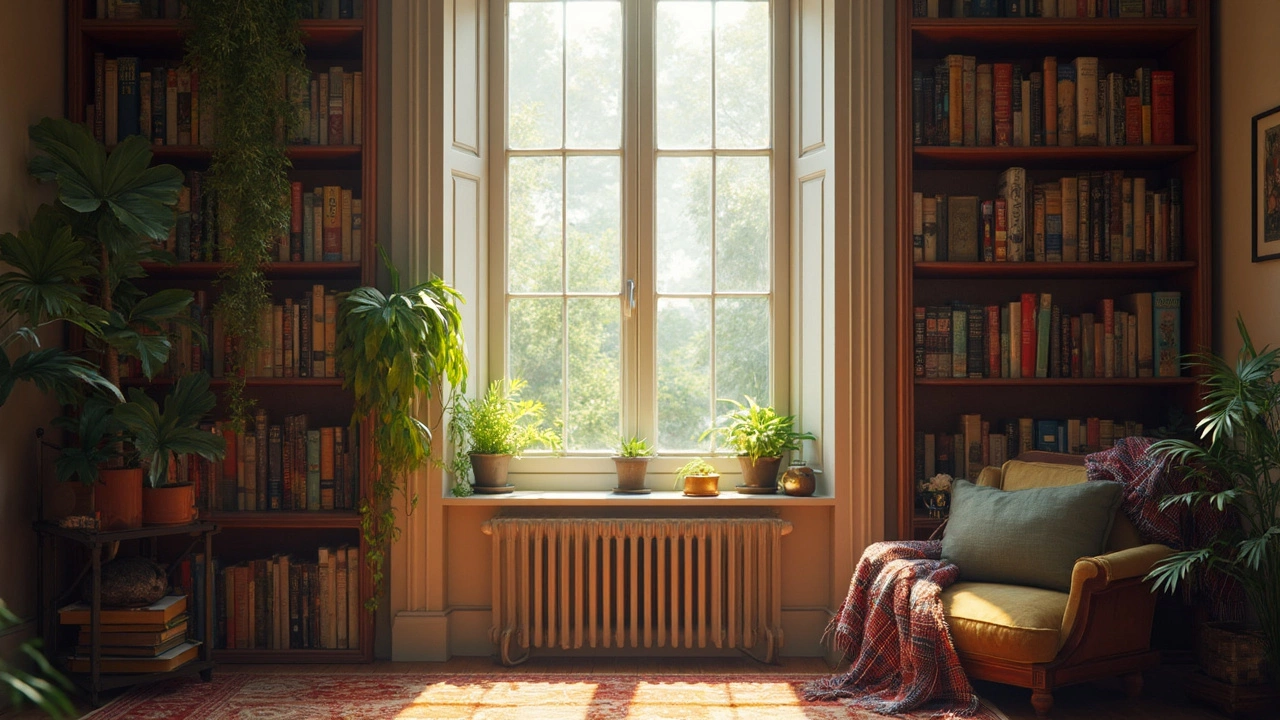
Ever notice how a room feels totally different when sunshine streams in? That’s natural light doing its magic. It can make a modest sofa look luxe, a dark wood table pop, and small spaces appear larger. Below you’ll find easy, no‑fuss ideas to use daylight to its full advantage, no matter your style.
Why Natural Light Matters
First off, daylight is free. Unlike lamps that add to your electric bill, the sun gives you illumination at no cost. More importantly, it affects mood, energy, and even how colors look. A paint that seemed bland under artificial light can become vibrant when hit by a morning beam. Same goes for fabrics – a soft linen looks fresh in sun, but may appear dull under a bulb.
Practical Tips to Use Natural Light
1. Position key pieces near windows. Place your dining table or work desk where it catches the most sun. This not only highlights the furniture’s grain but also creates a pleasant spot for meals or tasks.
2. Choose low‑profile or translucent furniture. Light‑colored wood, glass tops, and acrylic chairs let light pass through, keeping the room airy. If you love dark furniture, balance it with mirrors or bright accessories.
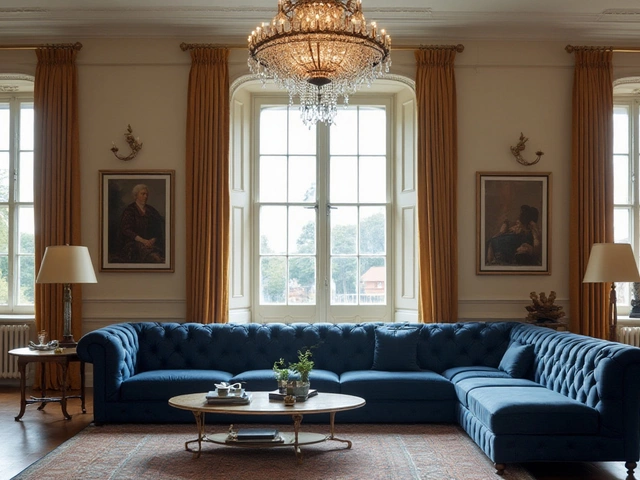
3. Use curtains that filter, not block. Sheer panels let a soft glow in while still offering privacy. Heavy drapes can be pulled back during the day to maximize daylight.
4. Reflect light with surfaces. A glossy coffee table or a polished stone floor bounces sunlight around, reducing shadows and making corners feel open.
5. Rotate seasonal pieces. In summer, move outdoor‑inspired furniture—like rattan chairs—closer to the patio doors. In winter, bring cozier, heavier items inward to keep warmth.
Remember, too much direct sun can fade fabrics over time. Simple solutions like UV‑filtering window film or rotating cushions every few weeks keep your pieces looking fresh.
Lastly, test your layout at different times of day. Take a photo at sunrise, noon, and dusk to see how light shifts. Adjust furniture accordingly, and you’ll end up with a space that feels bright and welcoming all day long.
Using natural light isn’t about a full renovation; it’s about small moves that add up. Try one tip this week and notice the change. Your home will thank you with a lighter, happier vibe.