Mold Resistant Storage: Keep Your Items Safe from Moisture
When working with Mold Resistant Storage, a method of keeping possessions safe by preventing mold growth through moisture and temperature management. Also known as moisture‑proof storage, it is essential for anyone who wants to avoid costly damage to furniture, documents, or electronics. mold resistant storage is not a luxury; it’s a practical approach that many homeowners, collectors, and businesses rely on.
Key Factors That Make Storage Truly Mold‑Resistant
One of the core components is climate controlled storage, a facility that maintains stable temperature and humidity levels year‑round. By keeping humidity below 60% and temperature around 68°F (20°C), you create an environment where mold spores struggle to survive. Another vital element is humidity control, the use of dehumidifiers, silica packs, or moisture‑absorbing containers inside storage units. These tools act like a shield, pulling excess water out of the air and stopping mold from forming on wood, fabrics, or paper.
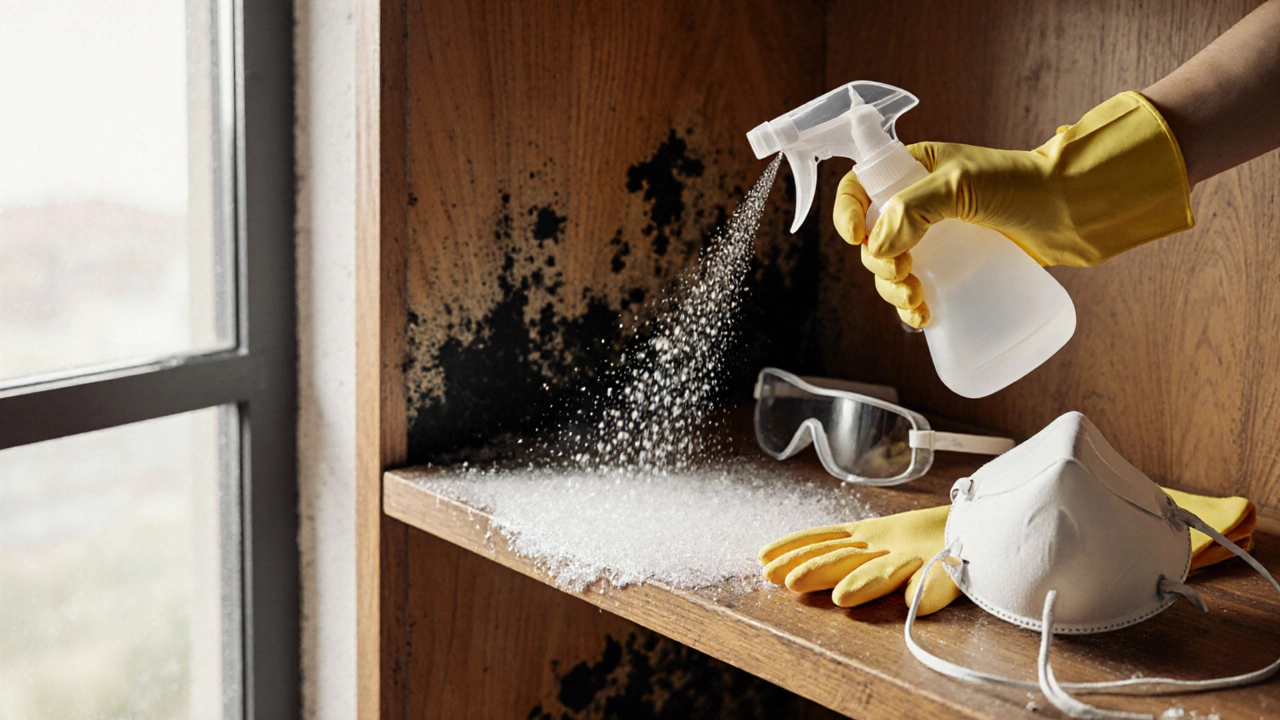
When moisture does manage to sneak in, mold remediation, the process of safely removing mold and preventing its return becomes the next line of defense. Professional cleaners use EPA‑approved solutions to kill spores and treat surfaces, while DIY owners can apply vinegar or hydrogen peroxide for smaller problems. The relationship between storage conditions and remediation is clear: proper control reduces the need for costly cleanup later.
For items made of wood—like antique cabinets, handcrafted tables, or shelving—the stakes are even higher. Wood furniture protection, strategies such as sealing, wax coating, and using breathable covers works hand‑in‑hand with climate control. A sealed finish blocks moisture from entering the grain, while breathable covers let any trapped humidity escape, preventing swelling or warping. Combining these techniques with a climate‑controlled unit gives you a triple‑layer defense against mold, ensuring that your pieces stay sharp and stable for years.
All these pieces—climate controlled storage, humidity control, mold remediation, and wood protection—fit together like a puzzle. Understanding how each part influences the others helps you design a storage plan that truly resists mold. Below you’ll find a curated set of articles that dive deeper into each topic, from DIY dehumidifier hacks to choosing the right storage unit for delicate antiques. Explore the guides to get actionable tips and avoid the common pitfalls that lead to mold damage.