Mold Removal Made Simple: Protect Your Home and Furniture
Spotting mold can feel like a surprise party you never wanted. The good news? You don’t need a PhD to get rid of it. In the next few minutes you’ll learn how to find mold, pull it off safely, and stop it from coming back – all without breaking the bank.
Where Mold Hides and How to Spot It
First, check the usual suspects: bathroom tiles, kitchen backsplashes, basements, and any spot that stays damp. Look for black, green, or even white speckles – mold loves moisture, not color. If you sniff a musty smell, you’re probably onto something. Grab a flashlight and a disposable glove, then press a piece of tape against a suspicious area. If the tape comes away with a fuzzy layer, you’ve found mold.
DIY Mold Removal Steps
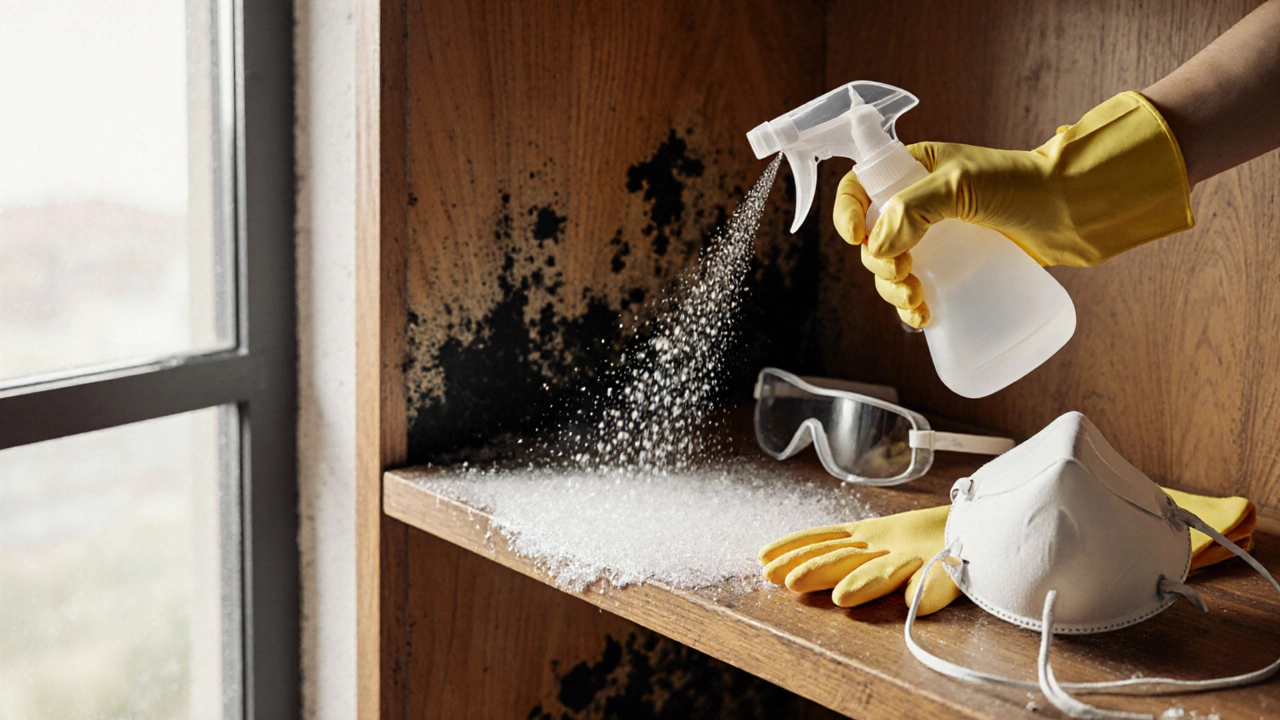
1. Gear up. Wear gloves, a mask, and goggles. Mold spores love to travel, and you don’t want them in your lungs.
2. Ventilate. Open windows and run a fan to push spores outdoors. Keep the fan pointing away from the cleaned area.
3. Mix a cleaning solution. A 1:1 mix of white vinegar and water works for most surfaces. For tougher spots, use a 3% hydrogen peroxide spray.
4. Scrub. Spray the solution, let it sit a few minutes, then scrub with a soft brush. Rinse with clean water and dry thoroughly.
5. Discard. Throw away any rags, sponges, or disposable gloves in a sealed bag. This stops spores from spreading.
If the mold covers more than a square foot, consider calling a professional. DIY is fine for small patches, but larger infestations need expert equipment.
Protecting Your Furniture From Mold
Furniture is a silent victim, especially if it’s stored in a garage or basement. Wood absorbs moisture, and fabric cushions can trap it. Here’s how to keep your pieces safe:
- Use a dehumidifier. Keep indoor humidity below 60% – ideally around 45%.
- Apply a sealant. A clear wood sealant or spray on fabric can create a moisture barrier.
- Cover during storage. Use breathable cloth covers, not plastic, to let air circulate.
- Check regularly. Look for any discoloration or odor every few months.
When you do need to move a piece that’s already moldy, wipe it down with the vinegar solution first, then let it dry completely before placing it back.
Prevent Future Outbreaks
Prevention beats removal every time. Fix leaks within 24 hours, wipe down shower walls after use, and clean gutters so water doesn’t seep into walls. Place moisture absorbers (like silica gel packets) in closets and cabinets. Finally, run your dryer’s vent outdoors – a backed‑up vent dumps humid air right back into your home.
That’s it – a quick roadmap to detect, eliminate, and dodge mold. Follow these steps and you’ll keep your home fresh, your furniture looking great, and your lungs happy.