Mold Prevention for Furniture: Simple Steps Anyone Can Follow

If you’ve ever opened a box and sniffed a musty smell, you know mold can ruin a good piece of furniture fast. The good news? You don’t need a lab to keep mold away. A few everyday habits are enough to protect sofas, desks, and wooden cabinets.

Control the Moisture

Moisture is mold’s favorite food, so keeping humidity low is the first line of defense. Aim for 40‑60% relative humidity inside your home. A cheap digital hygrometer tells you the exact level, and a portable dehumidifier can pull excess water out of the air during damp months.

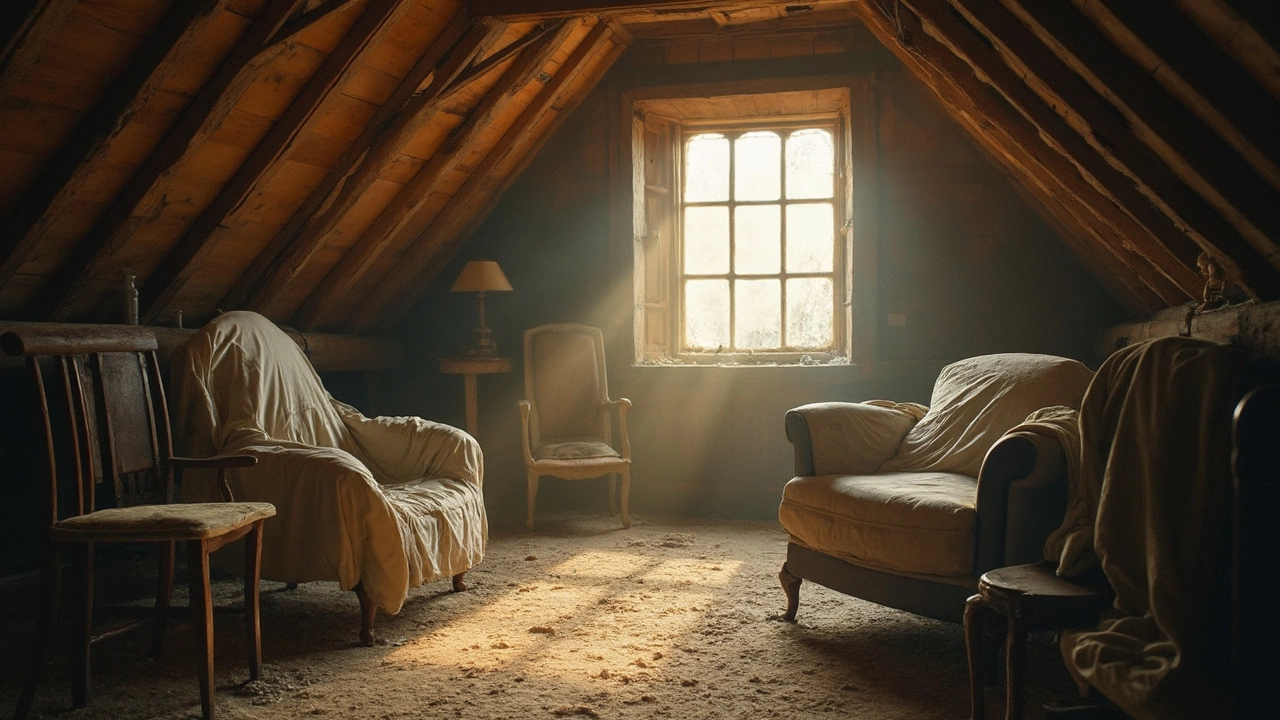
When you store furniture in a garage or basement, use a breathable cover instead of a plastic sheet. Plastic traps steam, while a cotton sheet lets the piece breathe while still blocking dust.

Clean With the Right Products

Spots of mold on a couch or wooden table can be tackled with household items. Mix equal parts white vinegar and water, spray, let sit five minutes, then wipe with a clean cloth. For tougher growth, a solution of 1 teaspoon dish soap, 1 cup hydrogen peroxide, and a splash of tea tree oil works well.

Always test any cleaning mix on a hidden area first. You don’t want to bleach a beautiful fabric or strip a wood finish.

After cleaning, let the piece dry completely. Good airflow speeds up drying—open windows or run a fan for a few hours.

Smart Storage Tricks

If you need to keep furniture in a storage unit, choose a climate‑controlled facility. Temperature swings cause condensation, which invites mold. If a climate‑controlled unit isn’t an option, place silica gel packets or charcoal briquettes near the furniture to absorb moisture.

Elevate wooden items off the floor with pallets or furniture risers. Concrete floors can bleed moisture up, so a barrier helps keep the wood dry.

When packing sofas, remove any cushions and store them in zip‑lock bags with a small dryer sheet. This reduces the chance of mold developing inside the cushion foam.

Regularly check stored pieces. A quick visual inspection every month catches early growth before it spreads.

Prevent Mold in Everyday Use

Spills are inevitable, but act fast. Blot liquids with a dry towel, then sprinkle a little baking soda to draw out moisture. Let it sit 15 minutes, vacuum, and you’ve cut the mold recipe short.

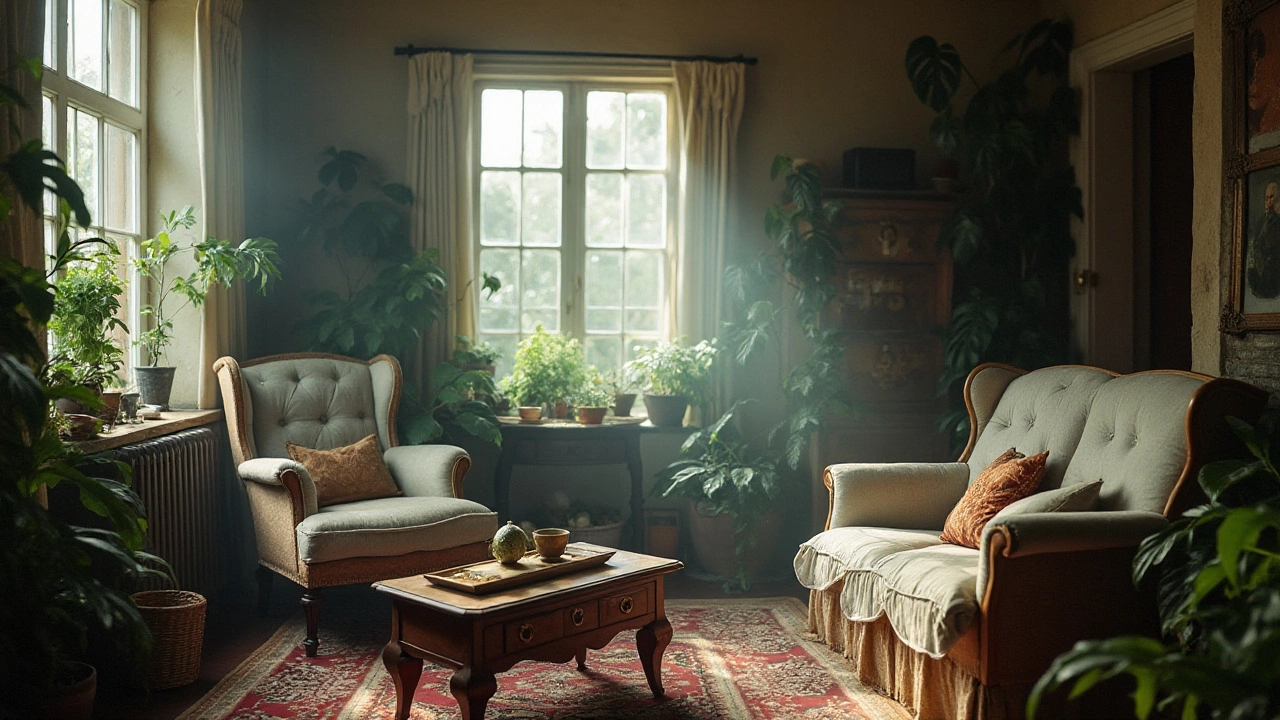
Keep indoor plants away from furniture that sits near windows. Over‑watering can increase humidity locally, creating a perfect breeding ground for mold.

Lastly, let furniture breathe. Avoid pushing sofas against walls where air can’t circulate. A small gap lets fresh air move around the piece, drying out any hidden damp spots.

By watching humidity, cleaning with simple solutions, storing smartly, and giving furniture room to breathe, you’ll keep mold at bay without spending a fortune. Your furniture will stay fresh, and you’ll avoid the nasty smell and health risks that come with mold growth.
Effective Ways to Kill Mold on Your Patio

Effective Ways to Kill Mold on Your Patio

Desmond Lockwood Oct. 10 0

Learn safe, effective DIY methods to kill patio mold, choose the right cleaner, and prevent future growth with practical tips and a handy comparison table.

More Detail
Does Furniture Mold in Storage? Tips to Keep Yours Safe

Does Furniture Mold in Storage? Tips to Keep Yours Safe

Desmond Lockwood Feb. 22 0

Storing furniture can often lead to unexpected issues, like mold. This article explores why mold develops, the conditions that exacerbate it, and practical steps to prevent it. By understanding these factors, you can keep your furniture safe and mold-free during storage. Let's dive into some effective tips and tricks to winter-proof your stored items.

More Detail
Prevent Mold: Keep Your Furniture Safe and Fresh

Prevent Mold: Keep Your Furniture Safe and Fresh

Desmond Lockwood Oct. 26 0

Mold growth on furniture can be both unsightly and damaging. To keep your furniture in top condition, it's important to understand the causes of mold growth and the steps you can take to prevent it. This article explores effective strategies for maintaining your furniture's appearance and integrity by managing humidity, ensuring proper ventilation, and selecting the right materials and cleaners. Discover practical tips and insights to safeguard your furniture from unwanted mold.

More Detail
Recent posts
Understanding the American Term for Wardrobe: Closet

In the United States, the term 'wardrobe' is commonly referred to as a 'closet.' This article explores the differences in terminology and design between the two. We'll delve into the origins of the word, the types of closets found in American homes, and how they compare to traditional wardrobes. Readers will gain insights into choosing the right storage solution for their own homes.

Glass vs. Acrylic Coffee Tables: Which is the Right Choice for You?

When choosing between glass and acrylic coffee tables, several factors such as durability, maintenance, style, and price should be considered. Glass tables offer a classic and sophisticated look, while acrylic tables bring a modern, lightweight feel to any space. Both materials come with their own set of benefits and limitations. This article explores the key differences to help readers decide the best fit for their living room.

Does a Coffee Table Have to Be in the Middle of the Room?

Wondering if your coffee table needs to claim the center of your living room? This article cuts through tradition and unpacks how coffee tables can work outside the usual middle-of-the-room setup. You'll get practical advice on placement, surprising benefits of breaking the rules, and easy tips to keep your space both functional and stylish. Rethink your layout and find inspiration to fit your own lifestyle, not just someone else’s Instagram. Discover how flexible these little tables can really be.

About Us

Outdoor Furniture, Storage Furniture, Home Decor