Furniture Lifespan: How Long Does Your Home Stuff Really Last?
Ever bought a sofa, an office chair, or a wooden table and wondered how many years it will survive? You’re not alone. Knowing the typical lifespan of each piece helps you plan budgets, avoid surprise replacements, and keep your home looking good.
Key Factors That Affect Furniture Life
Materials matter most. Solid wood frames usually outlast particleboard, while metal legs can survive years of heavy use. Finishes also play a role – a good seal keeps moisture out, but cheap paint peels quickly. Use also matters. A family couch sees daily traffic, pets, and spills, so it ages faster than a spare bedroom set that’s only used on weekends.
Environment is another big player. Storing a wooden table in an unheated garage exposes it to temperature swings and humidity, which cause warping and cracking. Likewise, a sofa left in a damp basement can develop mold. Keep furniture in a stable climate, or use dehumidifiers and insulated covers when needed.
Maintenance habits decide whether a piece lasts 5 years or 15. Regularly tightening screws, cleaning spills right away, and rotating mattress or pillow cushions all add years. Ignoring tiny scratches or loose joints lets damage spread, turning a minor issue into a major repair.
Tips to Extend the Life of Your Pieces
Start with a quick check each season. Look for signs of wear – wobbly legs, loose upholstery, or water spots on wood. Fix small problems before they grow. A simple wood filler or a set of new screws can save a whole piece.
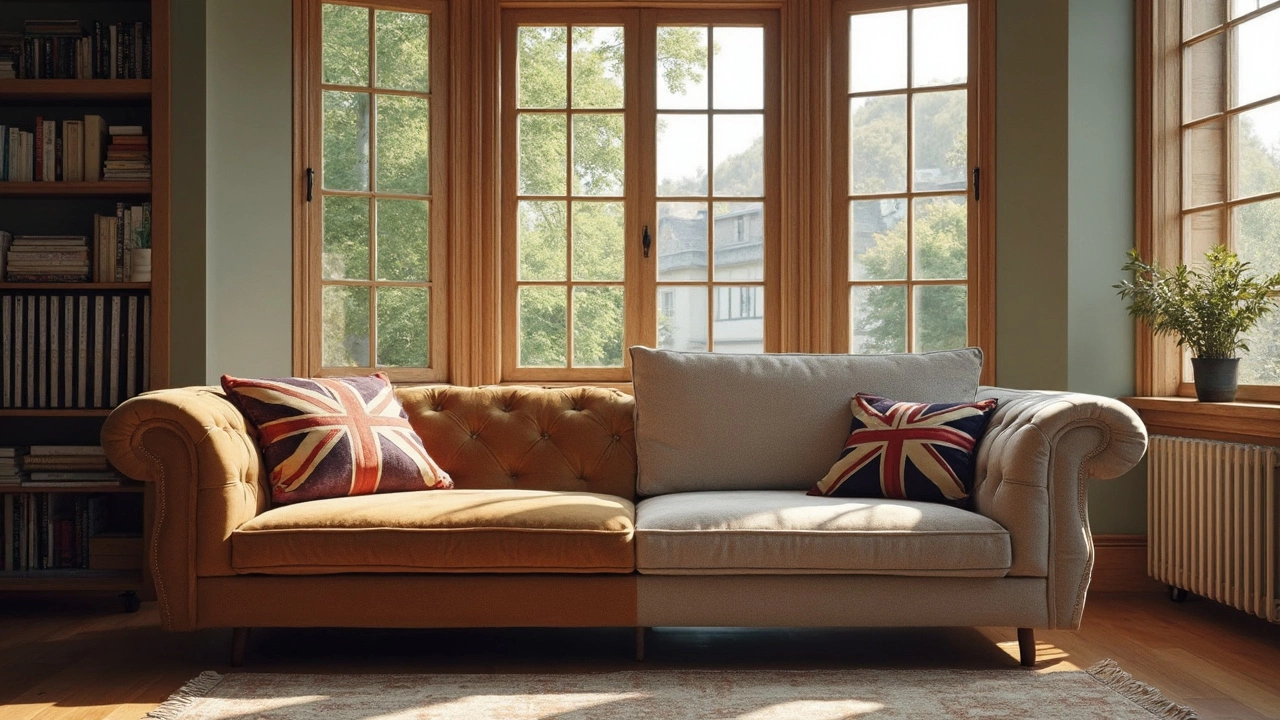
Protect surfaces. Use coasters under drinks, placemats under hot plates, and pet blankets on sofas. A slip‑proof rug under a coffee table stops scratches, and a breathable cover shields a sofa from dust and pet hair.Choose the right storage. If you need to store a dining table for the winter, wrap it in breathable cloth and keep it off the concrete floor. For upholstered pieces, store them upright in a climate‑controlled space, not leaning against a cold wall.
When buying, think long term. A $2,000 sofa might seem pricey, but if it’s built with hardwood frames and high‑density foam, it can outlive a $500 set that collapses after a few years. The same goes for office chairs – ergonomic models with metal bases and breathable mesh tend to last longer than cheap plastic versions.
Finally, treat your furniture like a friend. A quick vacuum, a wipe‑down, and an occasional polish keep it looking fresh. The effort you put in today saves money and hassle down the road.
Bottom line: Furniture lifespan isn’t a mystery. It depends on material, use, environment, and care. By checking the basics, protecting surfaces, storing correctly, and picking quality pieces, you can stretch the life of your sofas, chairs, tables, and more for years to come.