Indestructible Outdoor Furniture: What Makes It Truly Tough?
When you buy outdoor furniture, you want something that won’t fall apart after a few seasons. Think of pieces that laugh at rain, shrug off UV rays, and handle the occasional spill. In this guide we break down the materials, design tricks, and care tips that turn a regular patio set into something that feels almost indestructible.
Materials That Beat the Elements
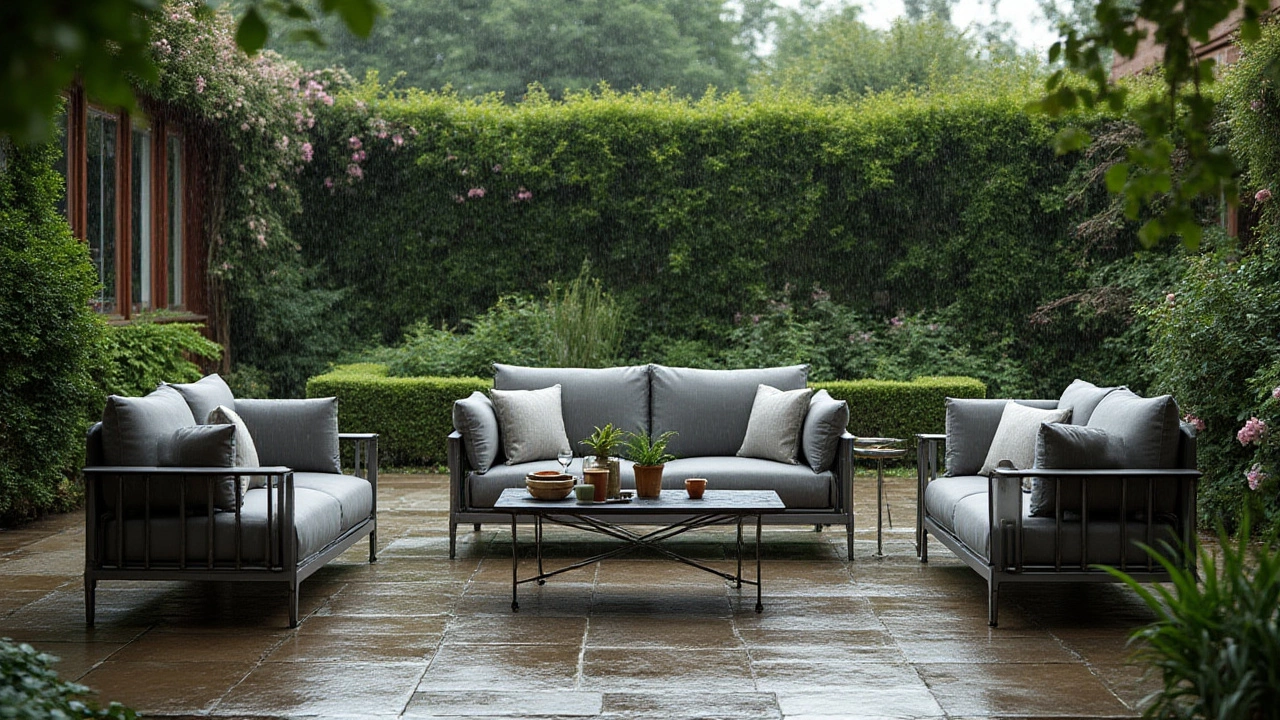
Metal frames made from powder‑coated aluminum or stainless steel are a top pick. They won’t rust, and the coating resists scratches and fading. If you love the classic look of wrought iron, make sure it’s treated with a rust‑proof finish and comes with a warranty.
For the seat and back, look for high‑density polyethylene (HDPE) or synthetic rattan. These plastics mold into comfortable shapes, stay cool in the sun, and won’t splinter like real wood. Many brands add UV inhibitors so the color stays bright for years.
When wood is your style, go for teak or ipe. Both are naturally oily and dense, which makes them resistant to water and insects. They do need occasional oiling, but a quick wipe every few months is enough to keep them looking fresh.
Design Features That Add Strength
Strong joints are the secret sauce. Look for hidden stainless‑steel bolts or reinforced polymer connectors instead of cheap plastic clips. A solid, welded frame will hold up to windstorms better than a glued one.
Quick‑drain cushions are another smart feature. Foam covered with water‑repellent fabric lets rain run right off, so you don’t end up with soggy seats that mold over time. Some cushions even have antimicrobial treatment to stop smells.
Finally, check the weight capacity. A set that can support 250 lbs per seat is a good sign the frame and legs are built tough. Over‑engineered pieces might look bulkier, but they’ll stay steadier on uneven ground.
Now that you know what to look for, here’s how to keep your indestructible furniture in peak shape.
First, give it a quick clean after each use. A hose down in the morning and a wipe with mild soap in the evening prevents dirt from grinding into the surface. Avoid harsh chemicals; they can strip protective coatings.
Second, store cushions indoors during extreme weather. Even the toughest fabrics can suffer if left under a heavy snow load for weeks.
Third, do a seasonal check. Tighten any loose bolts, reapply a light coat of protective oil on wood, and inspect for any cracks in polymer parts. A few minutes of maintenance a year can add decades to the life of your set.
Bottom line: true indestructible outdoor furniture combines the right material, smart construction, and a bit of regular care. With these clues you can shop confidently, knowing your patio will stay comfortable and looking good, rain or shine.