Home Storage Tips: Safeguard Your Furniture and Keep It Fresh
Got a spare garage, a basement, or a storage unit you’re using for furniture? Before you stack anything, think about how temperature, humidity, and placement can affect the pieces you love. A few smart moves now can save you big repair costs later.
Protecting Wood Furniture
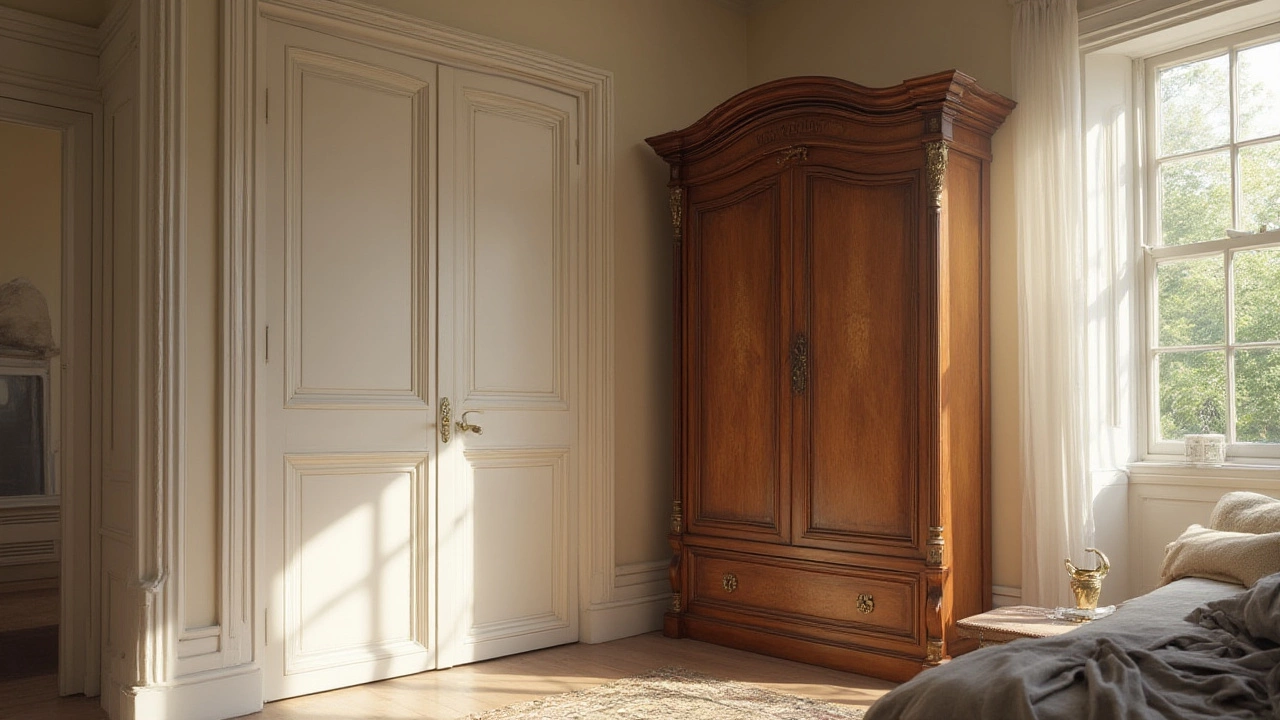
Wood is beautiful but it hates extreme swings in temperature and moisture. If you’re putting a wooden table or cabinet in an unheated garage, wrap it in breathable furniture covers and use a dehumidifier if possible. Elevate the piece off the floor with pallets or shelving so cold air can flow underneath. Check for any signs of warping or cracks every few weeks – catching a problem early is way easier than dealing with a warped leg later.
When you store wood in a climate‑controlled unit, aim for a humidity level around 45‑55%. A simple hygrometer will tell you if you’re in the sweet spot. If humidity spikes, pop a few silica gel packets in the corners of the crate. They’re cheap, reusable, and they absorb excess moisture without harming the wood.
Keeping Sofas and Upholstery Mold‑Free
Fabric sofas are vulnerable to mold, especially when stored in damp places. Before you tuck a couch into a storage box, give it a good vacuum to remove dust and debris. Then, lightly mist the fabric with a mixture of water and white vinegar (1:1) – this natural solution helps prevent mold spores from taking hold.
Place the sofa upright on a sturdy frame rather than lying flat. This allows air to circulate around the cushions and prevents moisture from pooling. If possible, store the sofa in a room with good airflow and a stable temperature. A small fan can make a big difference on humid days.
Don't forget the smaller items like bookshelves and storage cabinets. Those can attract pests too. Keep mouse‑proofing in mind by sealing any gaps in the storage area, and use natural repellents like cedar blocks or lavender sachets. Mice hate those scents and you’ll protect both wood and fabric from gnawing damage.
Finally, label each box or piece with the date you packed it. When you go to retrieve your items, you’ll know which ones have been stored the longest and may need a quick check before you bring them back home.
By treating your storage space like a mini‑climate zone and giving each piece a little extra care, you’ll keep furniture looking as fresh as the day you bought it. No need for pricey replacements – just a bit of foresight and some easy‑to‑follow steps.