Historical Wardrobe: Exploring Antique Styles and Modern Twists
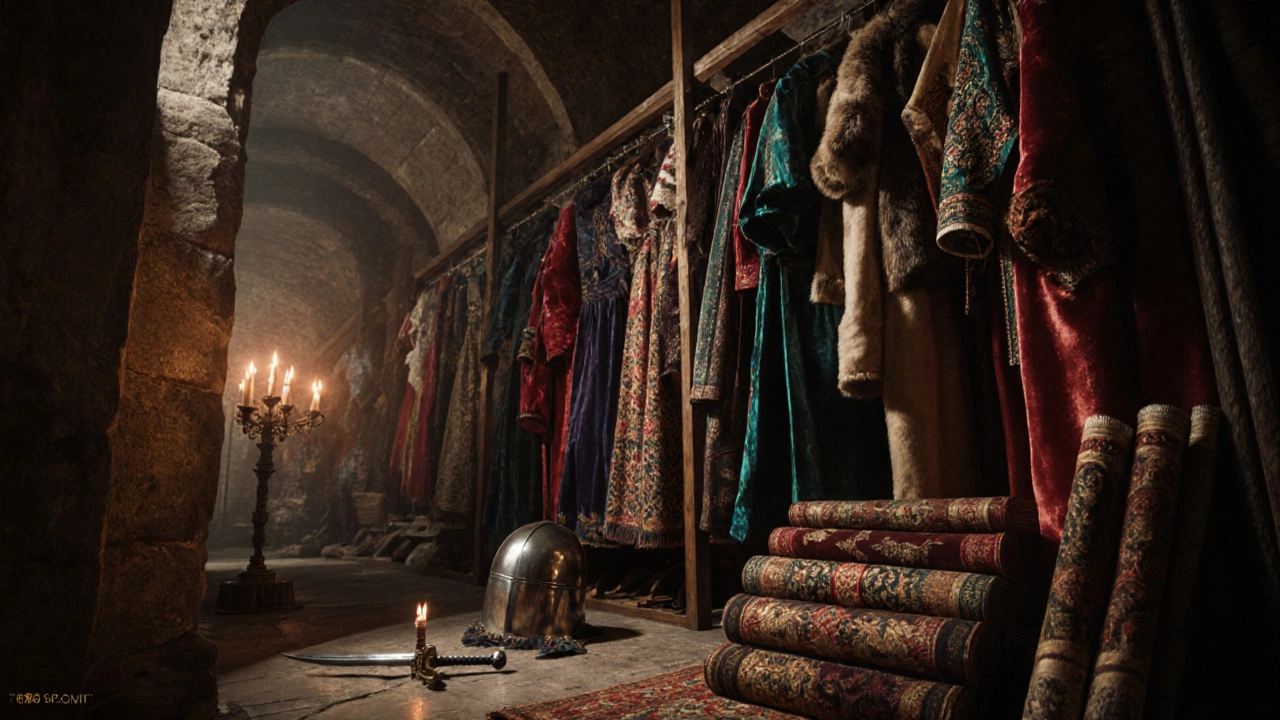
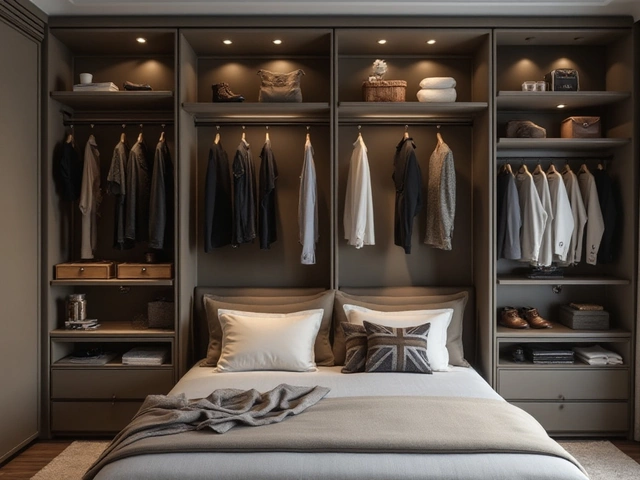
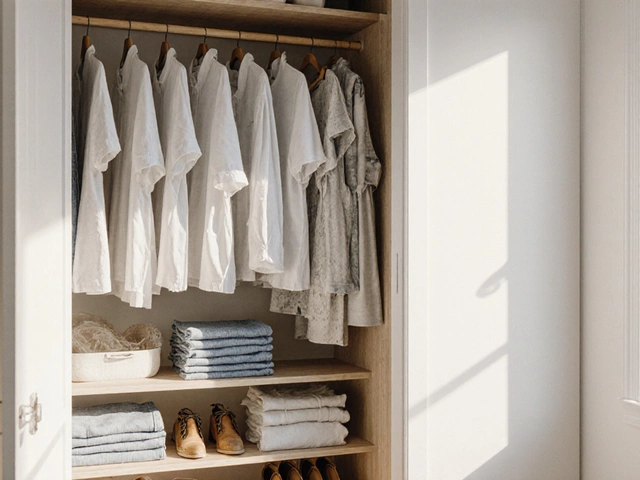
When talking about historical wardrobe, a piece of furniture from past centuries built to hold clothing, often adorned with fine woodwork and decorative hardware. Also known as antique wardrobe, it reflects the craftsmanship of its era and the way people stored their attire. A related antique wardrobe, specifically refers to wardrobes made in earlier centuries that showcase period‑specific design cues like hand‑carved panels or brass pulls shares many traits with the broader category. Another cousin, the armoire, originally a French term for a tall, freestanding storage cabinet, often used for linens or valuable garments, highlights how regional naming shaped the furniture market. Finally, an open wardrobe, a modern, door‑less version that displays clothes on hanging rods or shelves, blending historic form with contemporary convenience shows the evolution from closed, protective boxes to airy, accessible storage. These entities interlink: the historical wardrobe encompasses the antique wardrobe, the antique wardrobe influences the design of the armoire, and both inform the rise of the open wardrobe. Understanding this chain helps you pick the right piece for your home.
Most people think a historical wardrobe is just a fancy closet, but its attributes go deeper. Key properties include the type of wood (oak, mahogany, or walnut), joinery methods (mortise‑and‑tenon or dovetail), and decorative finishes (hand‑painted leaf motifs or brass inlays). Values you’ll often see are the era – Georgian, Victorian, or Edwardian – and the original purpose, whether for daily wear, ceremonial gowns, or seasonal storage. Today, homeowners repurpose these pieces as statement rooms, bedroom anchors, or even living‑room display units. If you love open concepts, the doorless style from our “Open Wardrobe” post offers a fresh spin, while the “What Are Old Closets Called?” guide dives into the armoire and press terminology that still pops up in antique markets.
Why Historical Wardrobes Still Matter
Because they combine art, history and function in one solid block of wood. Whether you’re a collector hunting for a Victorian chest, a decorator wanting a dramatic backdrop, or a DIY‑enthusiast planning to refinish a family heirloom, the knowledge around these pieces saves money and avoids mistakes. Our curated posts below walk you through naming quirks, preservation tips, and style pairings, so you can decide if a doorless layout fits your hallway or if the classic armoire vibe belongs in your bedroom. Dive in to see practical advice, styling ideas, and the latest trends that keep these timeless furniture stars relevant in modern homes.