Furniture Height Guide: How to Choose the Right Height for TV, Sofas, and Coffee Tables
Picking the right height for your furniture can feel like a guessing game, but it doesn’t have to be. A TV that’s too low makes neck strain inevitable, a coffee table that’s too high throws off comfort, and a sofa that’s the wrong size ruins the flow of a room. Below you’ll find straightforward advice that helps you get the numbers right, so you can sit, watch, and relax without a second thought.
Best Height for Your TV
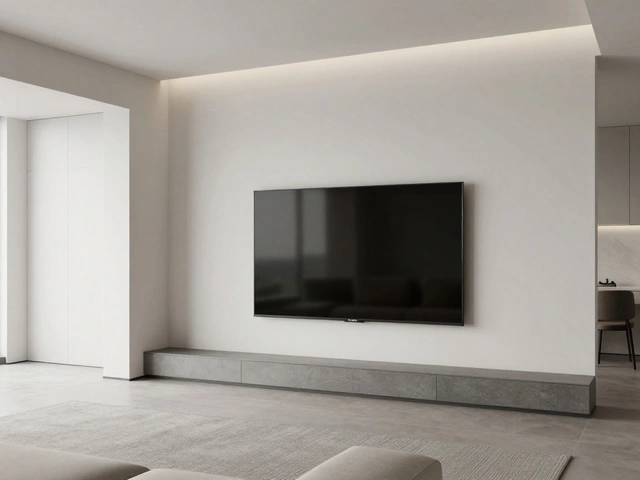
The golden rule for TV height is simple: the middle of the screen should line up with your eyes when you’re seated. Most people sit about 38‑40 inches from the floor, so aim for a screen center around 42‑45 inches high. If you’re mounting on a wall, measure from the floor to the spot where the TV’s center will sit, then add or subtract a few inches based on how far back you sit. A 55‑inch TV, for example, looks best at about 57‑60 inches from the floor, giving a comfortable viewing angle without straining your neck.
Don’t forget the viewing distance. A good rule is to sit at a distance that’s 1.5‑2.5 times the screen’s diagonal. For a 55‑inch TV that’s roughly 6‑10 feet away. If you can’t meet the perfect height, tilt the mount a bit upward – but keep the tilt under 15 degrees to avoid distortion.
Getting Your Coffee Table Height Right
When it comes to coffee tables, the goal is to keep your legs happy and your drinks reachable. Most coffee tables sit 12‑16 inches high, with 14 inches being the sweet spot for standard sofas. To check, sit on your sofa and let your hand rest on the arm. Your elbow should form about a 90‑degree angle when you reach for the table. If the table feels too high, you’ll be reaching up constantly; too low and you’ll be bending over.
Depth matters too. A table that’s too deep blocks the view of the TV and makes the room feel cramped. Aim for a depth of 18‑24 inches – enough to hold a laptop or a snack, but not so wide that you can’t see around it. If space is tight, a narrower, rectangular table works better than a big square one.
While you’re at it, think about the table’s role. If you use it for storage, a slightly higher surface (around 15‑16 inches) makes it easier to pull things out. For purely decorative purposes, a lower height can create a sleek, modern look.
Balancing these heights makes your living room feel intentional. The TV sits at eye level, the sofa offers comfortable seating, and the coffee table ties everything together without forcing you to stretch or crouch.
Remember to measure twice, sit down, and test before you buy. A quick sit‑test with a cardboard mock‑up can save you from a costly mis‑fit. With the right height, your furniture works for you, not against you.