HDPE Lumber Furniture: Durable, Eco-Friendly Outdoor Pieces You Can Trust
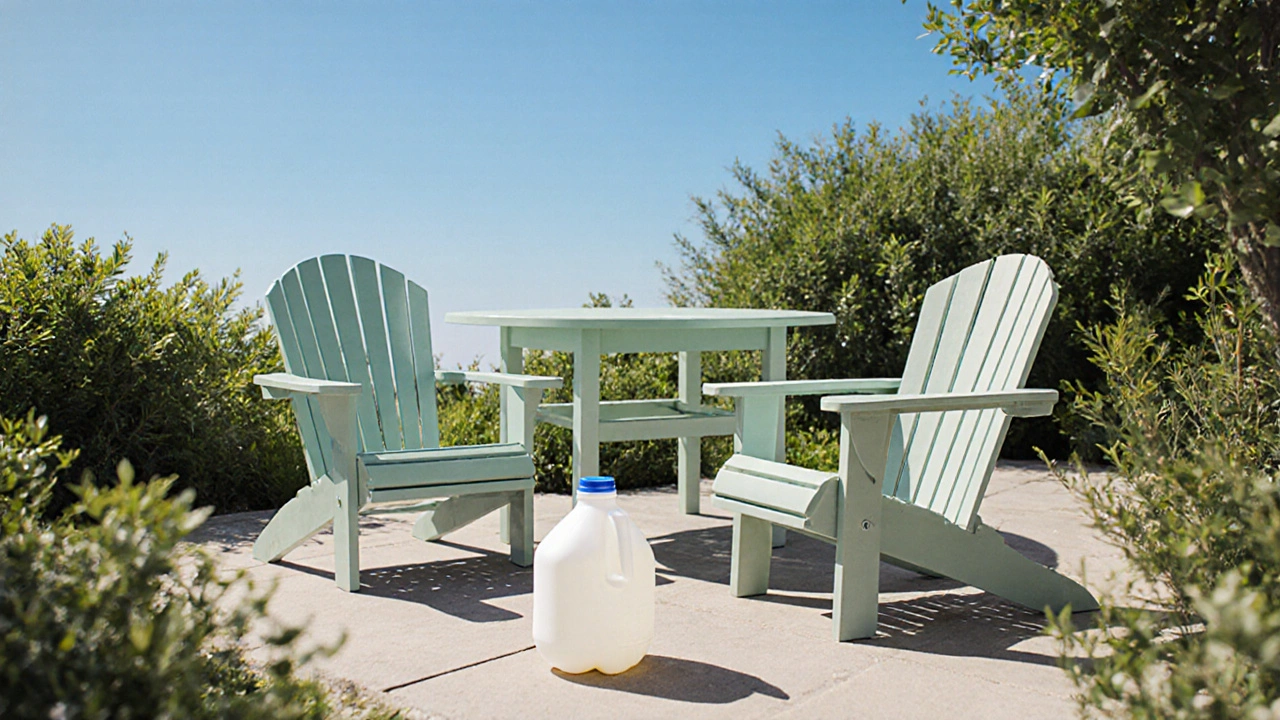
When you need furniture that laughs at rain, sun, and snow, HDPE lumber furniture, a type of outdoor furniture made from high-density polyethylene plastic, often recycled from milk jugs and detergent bottles. Also known as plastic wood, it’s not just a trend—it’s a smart upgrade for patios, decks, and garden benches. Unlike real wood, it doesn’t need sealing, staining, or painting. It won’t splinter, warp, or attract termites. And because it’s made from recycled materials, it cuts down on landfill waste while giving you something that lasts decades.
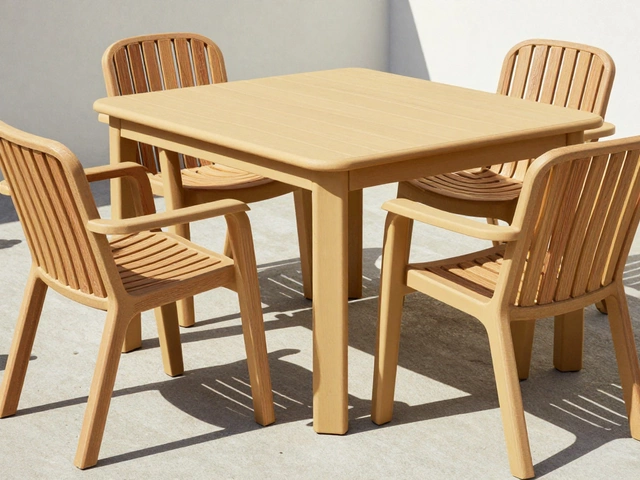
What makes HDPE lumber different from cheap plastic chairs? It’s dense, solid, and engineered to mimic the look and feel of real timber—without the upkeep. You’ll find it in benches, dining sets, Adirondack chairs, and even planters. Brands that use it often mix in UV stabilizers so the color stays true, even after years under a British summer sun. It’s the same material used in marine docks and playground equipment because it handles moisture better than any wood. And if you live near the coast or in a rainy region like Scotland or Wales, this isn’t just convenient—it’s essential.
People who switch to HDPE lumber furniture usually do it after one too many ruined wooden tables. They’re tired of scrubbing mold off garden chairs every spring or watching their deck furniture crack after a cold winter. This isn’t about buying cheap. It’s about buying right. You pay a little more upfront, but you save time, money, and frustration over the long haul. And since it’s 100% recyclable at the end of its life, you’re not just getting durable furniture—you’re choosing a cleaner future.
What you’ll find in the posts below are real-world stories from people who’ve lived with this material for years. From how to clean it without damaging the surface, to why some cheaper versions still fade, to which styles work best in small urban gardens. There’s no fluff. Just facts, tips, and lessons learned from people who’ve put HDPE lumber furniture to the test—rain, shine, and all.