Furniture Terms Explained: A Straight‑Forward Glossary
When you’re hunting for a new piece, the spec sheet can sound like a secret code. Words like armoire, VESA mount, or greige pop up, and you’re left guessing what they really mean. This guide cuts through the jargon so you can shop with confidence and talk the same language as your carpenter.
Everyday Pieces: Sofas, Chairs, and Tables
A sofa is the big, cushioned seat that usually faces a TV or fireplace. If it folds out for sleep, call it a sofa bed. A chair is any single‑seat item, from an office swivel to a dining side‑chair. When you see coffee table, think of the low surface placed in front of a sofa for drinks and books; height matters, but 12‑inches is a common sweet spot.
A TV stand supports your screen on a flat surface, while a wall mount attaches the TV to the wall using a VESA pattern – the spaced‑out holes that match the TV’s back panel. If you’re tight on floor space, a wall mount usually wins.
Storage Words: Wardrobes, Closets, and Armoires
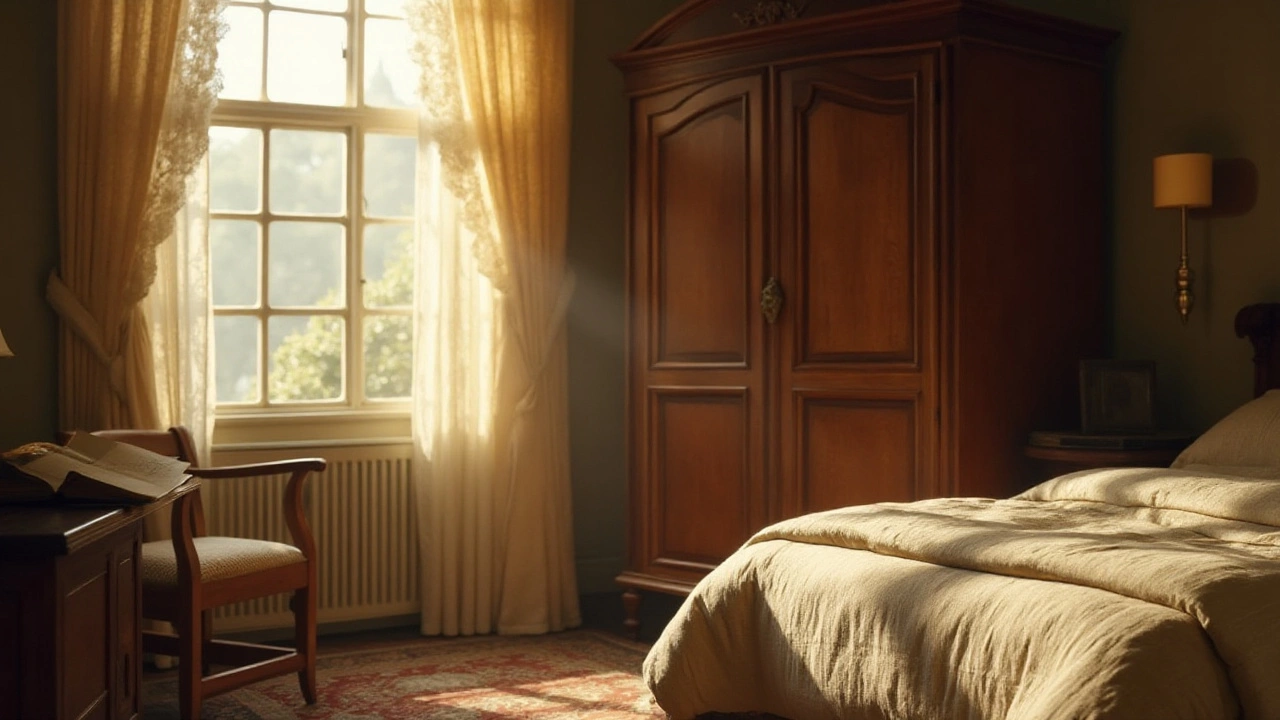
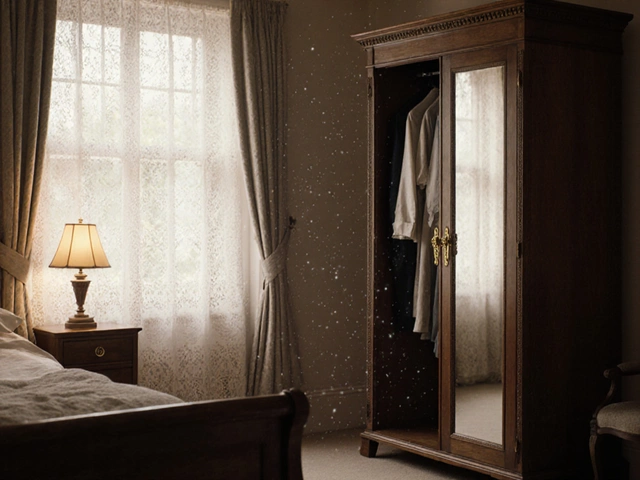
A wardrobe is a free‑standing cabinet for hanging clothes, often with shelves inside. In the UK, people often call a built‑in space a closet. An armoire is a fancy, often antique, wardrobe with decorative doors; you might also hear press for historic pieces. Knowing the difference helps when you ask a carpenter for a custom piece.
Other storage terms include drawers (pull‑out compartments) and cabinet (a box with doors, usually for kitchen or bathroom use). If you’re eyeing an outdoor set, look for weatherproof or indestructible materials like teak, powder‑coated aluminium, or synthetic rattan.
Materials matter, too. Wood can warp if stored in a damp garage, so always ask about climate‑controlled storage. Metal frames resist warping but can rust if not properly coated. When a product description mentions greige, it’s a blend of gray and beige – a safe neutral for walls and furniture alike.
Now that you’ve got the basics, you can read any spec sheet without feeling lost. Next time a dealer mentions “VESA‑compatible 75‑inch TV” or “hand‑crafted armoire with antique hardware,” you’ll know exactly what they’re talking about – and you’ll be able to ask the right follow‑up questions.
Got a term you still don’t get? Jot it down and search it with the words you just learned. The more you use the correct vocabulary, the easier it becomes to get the furniture you really want, whether it’s a sleek sofa, a sturdy coffee table, or a custom wardrobe that fits your bedroom perfectly.