English Wardrobe: Styles, Uses, and What Makes Them Different
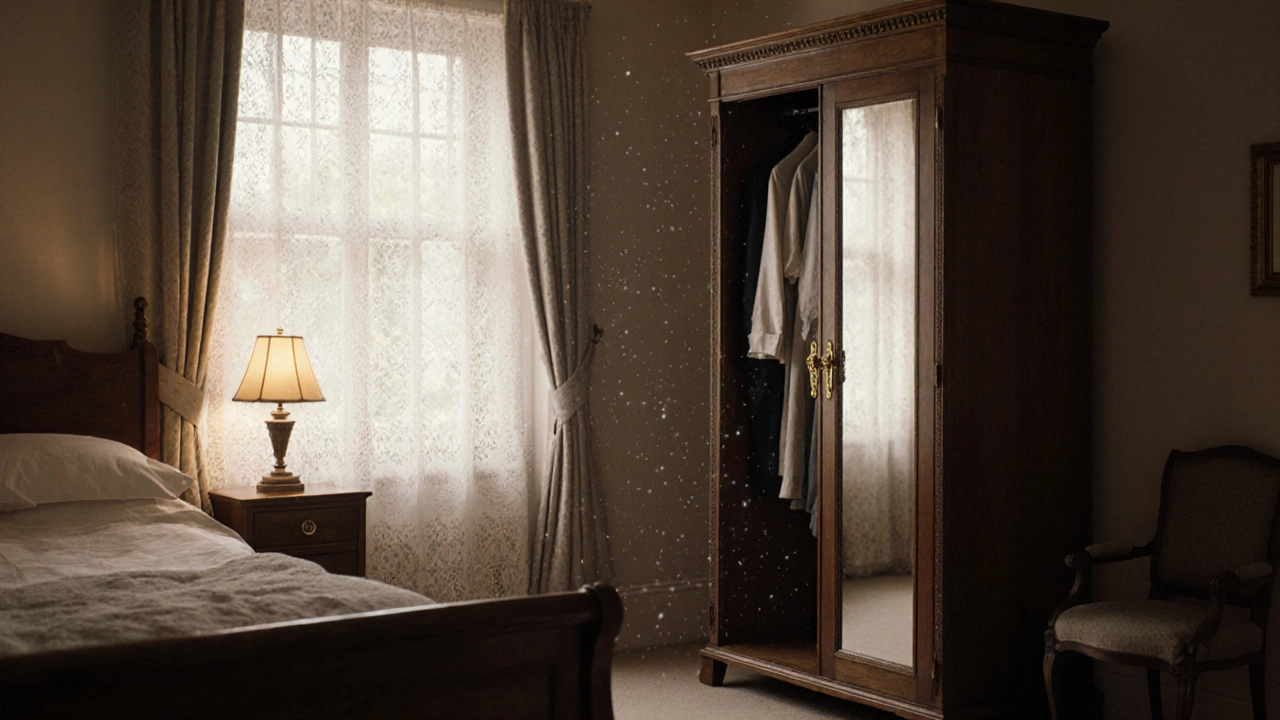
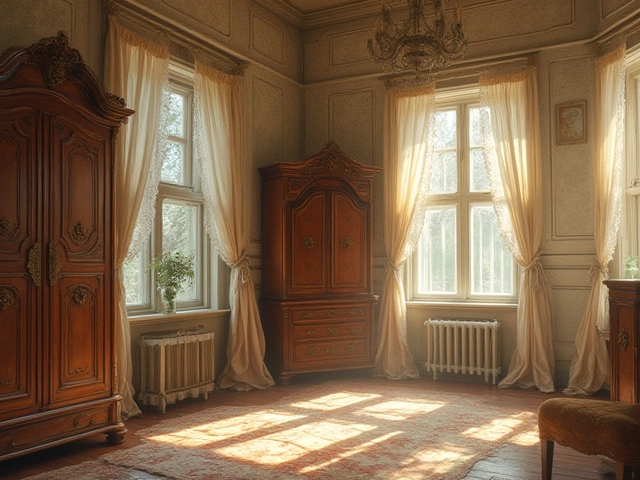
When people talk about an English wardrobe, a freestanding, often wooden storage unit for clothes, typically found in British homes and designed for durability and classic style. Also known as closet, it’s not just a place to hang shirts—it’s a piece of furniture that reflects how people live, store, and value their clothes. Unlike American closets, which are built into walls, an English wardrobe stands alone. It’s the kind of piece you might find in a 1920s bedroom or a modern flat in London, made from solid oak, walnut, or pine, with drawers, hanging rails, and sometimes mirrors. It’s not just storage—it’s part of the room’s character.
What makes an English wardrobe different isn’t just its shape. It’s built to last. Many were crafted by hand, with dovetail joints, thick panels, and hardware that doesn’t rust. You’ll see these in older homes, but today’s versions keep that spirit—think deep drawers for sweaters, adjustable rods for long coats, and doors that close with a quiet thud. They’re not just for bedrooms either. People use them in hallways, dressing rooms, or even as room dividers. A built-in wardrobe, a custom storage unit fixed into a wall cavity, often designed to maximize space in small UK homes is common now, but the English wardrobe holds its ground because it’s movable, repairable, and timeless. It’s also different from a doorless wardrobe, an open storage solution without doors, often used in modern interiors for easy access and visual flow. The English version usually has doors—sometimes two, sometimes four—because privacy and dust protection matter.
If you’ve ever wondered why British homes still use these, it’s simple: they work. They don’t need electrical wiring, they don’t take up floor space like a dresser, and they can be moved if you relocate. A well-made one can outlast two generations. And while trends come and go—beige sofas, Japanese sofa beds, Dutch beds—the English wardrobe stays. It’s not flashy, but it’s reliable. You’ll find it in homes where quality matters more than speed. The posts below cover everything from how to clean an old wooden wardrobe without damaging the finish, to why some people choose open designs over closed ones, and even how to turn one into a home office nook. Whether you’re restoring a vintage piece, buying a new one, or just trying to understand why your neighbor calls it a wardrobe and not a closet, you’ll find real answers here—not theory, not fluff. Just what works.