Elderly Safety: Practical Furniture and Home Tips for Seniors

Keeping an older loved one safe at home doesn’t have to be a big project. Small changes to furniture, lighting, and layout can cut the risk of falls and make daily life smoother. Below are everyday ideas you can start using right now.

Choose the Right Furniture for Senior Safety

First off, look at the pieces you already have. A stable sofa with firm cushions is better than a soft, low couch that encourages sinking in and losing balance. When you shop for new pieces, ask for a sturdy frame, non‑slip legs, and armrests that are easy to grip. A side chair with a modest seat height (around 45‑48 cm) lets seniors sit and stand without over‑stretching.

TV setups are a common mishap zone. A wall‑mounted TV keeps cords off the floor, but make sure the mount is anchored to a stud and the screen sits at eye level when seated. If a wall mount feels too technical, a low TV stand with a broad base works just as well—just keep it away from high‑traffic walkways.

Storage furniture can hide hazards. Keep low cabinets and dressers away from main pathways. If a closet door swings into a hallway, replace it with sliding doors or add a soft‑close hinge to avoid sudden impacts.

Simple Home Tweaks to Protect Elders

Lighting is an easy win. Add a night‑light in the bathroom and hallways, and use motion‑sensor lights by the bedroom door. A well‑lit space helps seniors see steps and edges clearly.

Rugs look cozy, but they can slide. Secure them with non‑slip pads or choose low‑pile carpet that stays in place. If you must keep a rug, trim any frayed edges—they can catch shoes and cause trips.

Check the temperature and humidity in storage areas. Storing wooden furniture in a cold, damp garage can warp the wood and create sharp edges over time. If you need to store pieces, use a climate‑controlled unit or add a dehumidifier to keep the wood stable and safe.

Finally, keep frequently used items within easy reach. Place everyday dishes, glasses, and remote controls on lower shelves so seniors don’t have to stretch for them. A few pull‑out drawers in the kitchen can replace heavy cabinet doors that are hard to open.

These tweaks don’t require a full remodel, but they make a big difference in everyday safety. Start with one or two changes, see how they feel, and add more as you go. Your loved one will thank you with a safer, more comfortable home.
How to Stop Your Elderly Loved One Sliding Down in Their Recliner

How to Stop Your Elderly Loved One Sliding Down in Their Recliner

Desmond Lockwood May. 1 0

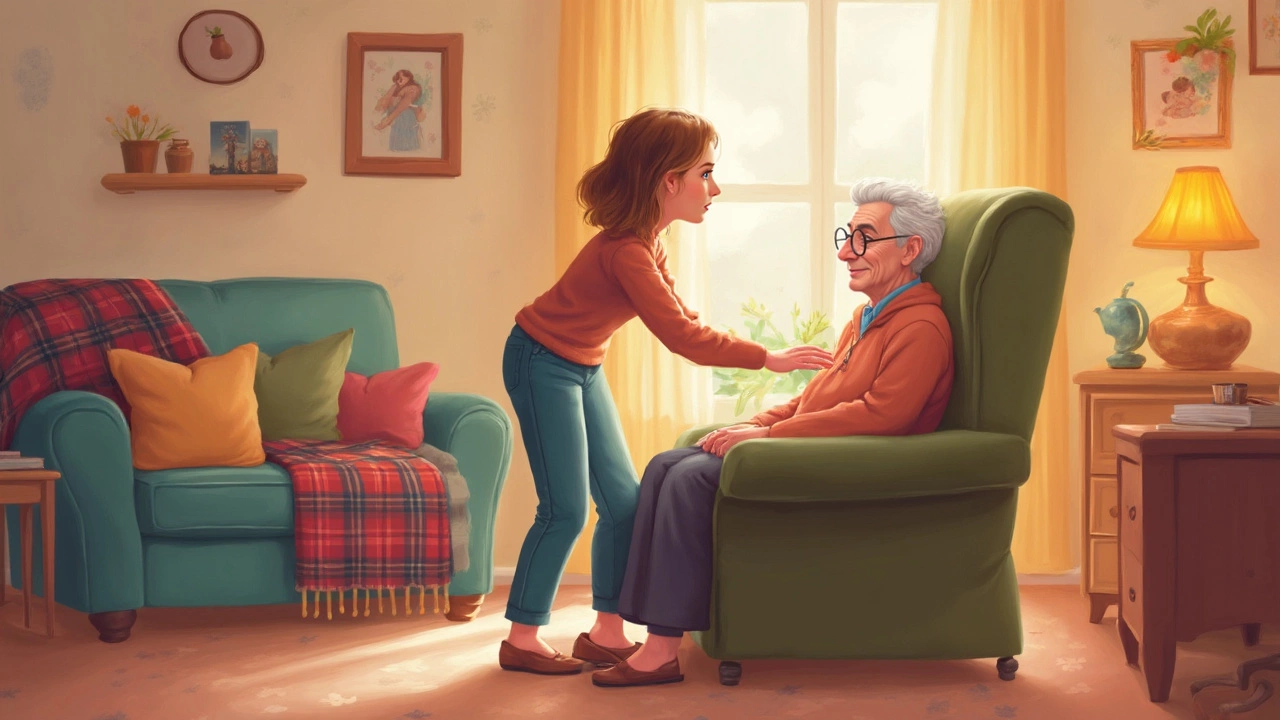
Worried about your elderly family member slipping down their recliner? This article cuts through the confusion and gives you straightforward advice for safer, more comfortable seating. You'll find out why sliding happens, how to fix it, and what to look for when choosing a better chair. Learn about practical tools and smart daily habits that really work. Keep your loved one safe—and save yourself some worry, too.

More Detail
Recent posts
Understanding the ADHD Walk: Impact on Office Seating

The ADHD walk is an informal term describing the restless movement often associated with ADHD, especially in office settings. These movements are more than just distractions—they can influence productivity and comfort. The right office chair can make a world of difference, helping to accommodate such restlessness while promoting posture and health. This article delves into the impact of these behaviors on office seating decisions, offering tips on choosing chairs that cater to these unique needs.

How to Stop Your Elderly Loved One Sliding Down in Their Recliner

Worried about your elderly family member slipping down their recliner? This article cuts through the confusion and gives you straightforward advice for safer, more comfortable seating. You'll find out why sliding happens, how to fix it, and what to look for when choosing a better chair. Learn about practical tools and smart daily habits that really work. Keep your loved one safe—and save yourself some worry, too.

Where Should You Not Put Bookshelves? Practical Guidelines for Every Space

If you’re thinking about adding a bookshelf to your space, knowing where *not* to put it is just as important as finding the perfect spot. This article breaks down locations that can wreck your books, mess with your home's look, or even become a safety hazard. You'll learn about moisture problems, sun damage, risky corners, and everyday annoyances people rarely consider. Discover tips to keep your books safe and your shelves sturdy. You'll walk away ready to sidestep the most common bookshelf blunders.

About Us

Recliner Chairs