DIY Mold Solution – Fast, Safe Ways to Beat Mold at Home
When tackling DIY mold solution, a do‑it‑yourself approach to eliminate mold and mildew from surfaces. Also known as home mold remedy, it empowers anyone to scrub away growth without hiring experts., you’re really dealing with Mold removal, the process of breaking down fungal colonies using chemicals or natural agents. The same effort often involves a Mildew cleaner, a product formulated to kill mold spores and prevent re‑growth that can be mixed at home with vinegar, baking soda, or hydrogen peroxide. If the mold lives on a chair, table, or cupboard, you also need proper Furniture cleaning, techniques that protect wood, upholstery, and finishes while eradicating spores. All of these pieces fit together because moisture is the common enemy; controlling humidity falls under Moisture control, methods like dehumidifiers, ventilation, and spill cleanup that stop mold from returning.
Why a DIY Approach Works
Most people think professional services are the only way to get rid of mold, but the truth is simple: the same chemicals—white vinegar, baking soda, tea tree oil—are available on any supermarket shelf. A DIY mold solution lets you act fast, apply the treatment precisely where it’s needed, and avoid the high cost of a contractor. The process also gives you control over the ingredients, which means you can stay away from harsh fumes that might irritate allergies. By following a step‑by‑step plan, you can break the mold life cycle (spores → growth → spread) with three clear actions: clean, disinfect, and dry.
First, clean the affected area with a mild detergent to lift dirt and grime. This step prepares the surface so the disinfectant can reach the fungal cells. Second, apply your chosen mildew cleaner—mix one part hydrogen peroxide with two parts water, spray, and let it sit for ten minutes. The peroxide breaks down the cell walls, ensuring the spores die. Finally, dry the region thoroughly using a fan or a dry cloth; moisture left behind gives any surviving spores a chance to bounce back. These three moves form a semantic triple: DIY mold solution requires cleaning, uses a mildew cleaner, and prevents future growth through moisture control.
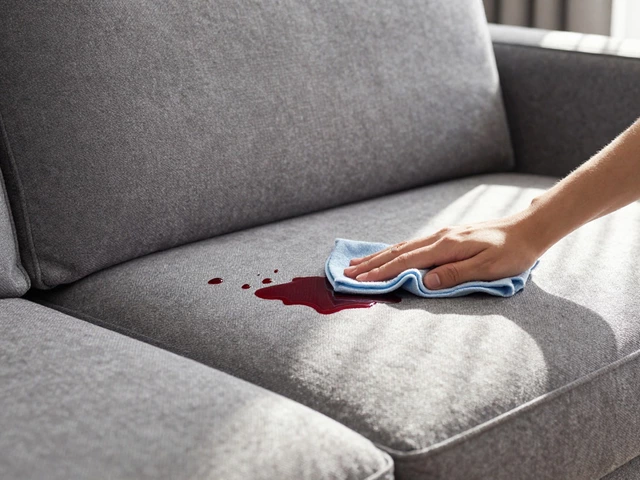
When you work on furniture, you also have to think about the material. Wood can warp if it stays wet for too long, while fabric upholstery can retain spores deep in the fibers. The best practice is to test a small hidden spot with your cleaning mix first, then gently scrub with a soft brush. For leather or lacquered finishes, a diluted solution of vinegar and water works without stripping the protective coat. After the wipe‑down, let the piece air out in a well‑ventilated room; a portable dehumidifier can speed up the process.
Safety is another piece of the puzzle. Wear gloves, goggles, and a mask to avoid inhaling spores or irritating chemicals. Open windows whenever you can, and keep pets and children out of the work zone until the surface is completely dry. If the mold patch is larger than a foot square, or if you notice a strong, musty odor that won’t fade, it’s smart to call a professional—some infestations hide behind walls or in HVAC ducts where DIY methods can’t reach.
In the articles that follow, you’ll find real‑world examples of how homeowners tackled stubborn mold on sofas, bedroom closets, and even garage‑stored wooden tables. We’ve collected tips on choosing the right cleaner for each material, tricks to keep humidity low year‑round, and warnings about common mistakes like using bleach on fabric (it can actually feed certain types of mold). Whether you’re dealing with a tiny patch on a coffee table or a larger problem in a storage unit, the guide collection gives you practical steps you can start today.
Ready to roll up your sleeves? Dive into the posts below for detailed recipes, tool recommendations, and step‑by‑step walkthroughs that turn a messy mold problem into a quick DIY win.