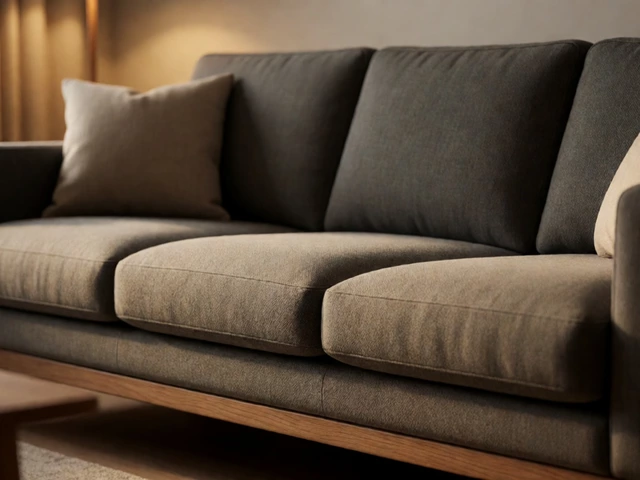
Couch Sleeping: What You Need to Know
Ever crashed on the couch after a late night or a long day? It feels easy, but that quick nap can leave you sore and disrupt your sleep. Below we break down what happens when you doze on a couch and show you smarter ways to get rest without paying the price.
Health Risks of Couch Sleeping
Couches are built for sitting, not lying flat. The cushions are soft in the middle and firm on the edges, so your spine ends up in an uneven position. That misalignment strains the lower back and can trigger aches that linger for days.
Because the seat is usually angled forward, your head tilts down and your neck bends unnaturally. After an hour or two you’ll notice neck stiffness or a headache. A proper mattress keeps the spine neutral; a couch simply can’t do that.
The padding on a sofa is thin and designed to bounce back quickly. When you stay still for a long time, pressure points form on your hips, shoulders, and tailbone. Those spots turn red and can become sore, making it harder to get up.
Sleep quality also drops. A couch doesn’t hug your body the way a mattress does, so you end up tossing and turning. Light sleep means you wake up feeling groggy instead of refreshed.
Safety is another hidden issue. If you roll over while dozing, you might fall off the edge or knock over a coffee table, lamp, or cords. That’s a real risk, especially if the room is dark.
Finally, couch sleeping speeds up wear and tear. The springs and foam get compressed in the same spot night after night, shortening the life of your furniture. You’ll end up repairing or replacing the sofa sooner.
Smart Alternatives for Living‑Room Sleep
If you need a place to sleep in the living room, choose a sofa bed that’s designed for both sitting and lying down. Pull‑out models use a real mattress, giving you proper support while still looking sleek.
Futon style sofas have a thin mattress that folds flat. They’re budget‑friendly and work well for occasional guests, but they don’t match the comfort of a thick mattress.
Daybeds with a twin‑size mattress are another option. They sit low, so you can add a stylish throw for daytime use and keep a full‑size mattress underneath for night use.
Adding a mattress topper to a pull‑out sofa can boost comfort without buying a new piece. A memory‑foam topper adds cushioning and helps with spinal alignment.
Position your sofa bed away from high traffic areas. This reduces the chance of rolling into furniture or tripping over wires while you’re half‑asleep.
Good lighting and a small nightstand with a lamp create a bedroom‑like vibe, making it easier to wind down. A simple routine—like dimming lights 30 minutes before sleep—helps your body switch to rest mode.
When you’re ready to upgrade, consider a custom sofa bed from Crafted Furniture Solutions. Their experts can design a piece that fits your space, matches your décor, and gives you the mattress quality you deserve.
Skipping couch naps and opting for a proper sleeping surface means fewer aches, better sleep, and a longer‑lasting sofa. Your back—and your wallet—will thank you.