Couch Lifespan: How Long Your Sofa Should Really Last
Ever wondered why one couch lasts ten years while another looks tired after just a couple of seasons? The truth is, a sofa’s life isn’t magic – it’s all about the parts you pick, how you use it, and how you treat it. Below we break down the biggest lifespan drivers and give you simple habits that add years to your favorite spot.
What Determines a Couch’s Lifespan?
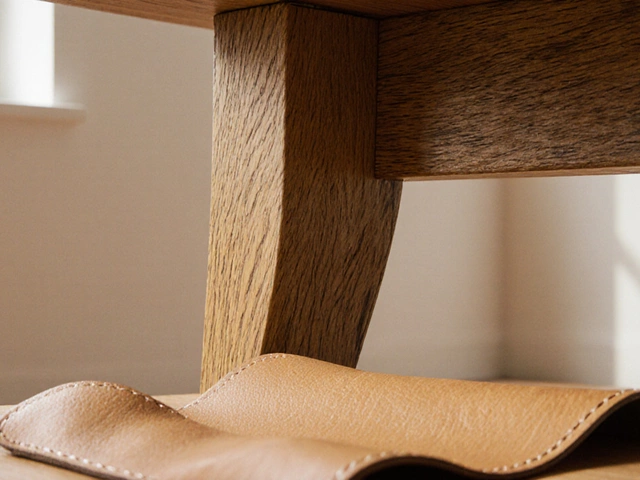
First off, the frame matters most. Solid hardwood frames (like oak or ash) can survive 15‑20 years, while cheap particle board often gives up after five. The joints are another clue – screws and dowels hold up better than glued‑only connections.
Upholstery material is the next big factor. Natural fibres such as leather or high‑grade linen tend to age gracefully and can be re‑upholstered, whereas low‑quality polyester tends to pill and fade quickly. Cushions also play a role: high‑density foam holds its shape longer than feather‑filled or low‑density foam that flattens in a year or two.
How you use the sofa matters, too. A family with kids and pets will see more wear than a single‑person apartment. Daily jumps, pets digging, and spilled drinks all accelerate wear and tear. Finally, where you keep it influences longevity – exposure to direct sunlight, heat, or high humidity can dry out fabrics and warp wood.
Easy Ways to Extend Your Sofa’s Life
Rotate cushions every few months. This spreads the pressure evenly and stops one side from sagging faster. If you notice a soft spot, add a small piece of plywood under the cushion for extra support.
Keep moisture out. If you store a couch in a garage or basement, use a breathable cover and a dehumidifier. Mold loves damp, stale air, and a couch can develop a musty smell that’s hard to scrub off. A quick check for musty odors before you stow it away can save you a lot of hassle.
Clean spills right away. Blot, don’t rub, and use a gentle upholstery cleaner suited to your fabric. For leather, a light conditioning oil every six months keeps it supple and prevents cracks.
Protect the frame with felt pads under any heavy furniture that sits on top of the sofa. This avoids scratches and reduces stress on the legs. Also, avoid placing the couch directly against a heat source – radiators can dry out the wood and cause splits.
When the sofa does start to look tired, consider re‑upholstering instead of tossing it. A new fabric can give it a fresh look and add another decade of use, especially if the frame is still solid.
Bottom line: a well‑built couch with good care can easily last 10‑15 years. Cheap pieces may need replacement sooner, but even a budget sofa can be stretched with regular cleaning, cushion rotation, and protection from moisture. Follow these habits and you’ll spend less on replacements while keeping your living room looking sharp for years to come.