Smart Couch Alternatives for Every Home
Stuck with a bulky couch that doesn’t fit your room? You’re not alone. Many of us end up with a sofa that looks good in the store but feels out of place at home. The good news? There are plenty of other seating options that can save space, match your style, and cost less.
Why look for alternatives?
A traditional couch takes up a lot of floor area, which can make a living room feel cramped. It also limits how you arrange other furniture. When you swap the couch for something lighter, you get more flexibility. You can move pieces around for a movie night, a game session, or a simple coffee catch‑up without wrestling with a heavy frame. Plus, many alternatives are easier to clean and replace if you decide to change your look later.
Top couch alternatives for every space
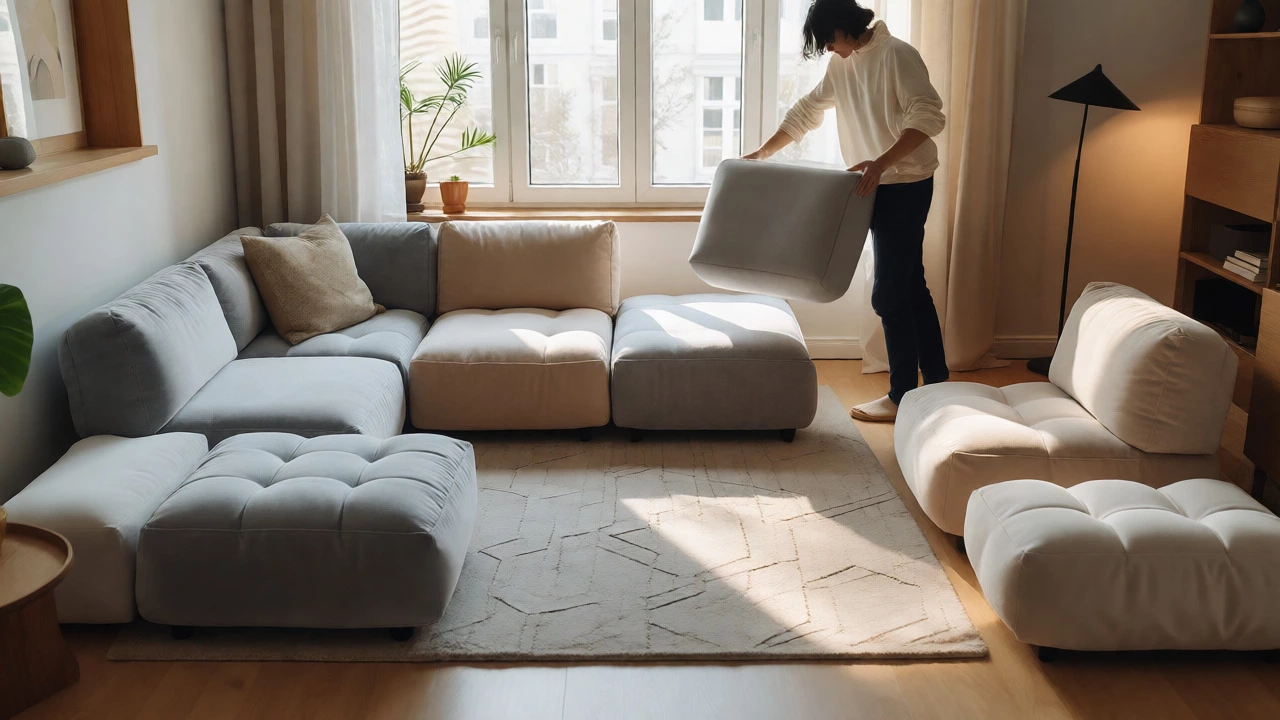
1. Sectional modules – These are a collection of smaller pieces that lock together. You can start with a two‑seat section and add a chaise or an ottoman later. It works well in larger rooms where you want a big‑picture look without a single monolithic couch.
2. Sofa‑beds – Perfect for homes with guests. During the day it’s a comfy seat, at night it folds out into a bed. Look for a model with a sturdy mattress and easy‑to‑use mechanism.
3. Daybeds – A daybed offers a relaxed vibe and can double as a lounge spot or a guest sleeping area. Pair it with bright cushions to keep the room feeling lively.
4. Armchair clusters – Instead of one big couch, arrange two or three armchairs in a casual circle. It creates a conversation‑friendly layout and lets each person pick their favorite style.
5. Built‑in benches – If you have a window seat or a nook, a custom bench with storage underneath can replace a couch while adding extra functionality.
6. Futons – A classic futon provides a simple seat by day and a flat sleeping surface by night. Modern designs look sleek and fit tight spaces.
7. Floor cushions and poufs – For a boho feel, scatter floor cushions and a few poufs. They’re lightweight, easy to move, and let you create a chill lounge vibe without permanent furniture.
When choosing an alternative, think about how you use the space. Do you entertain often? A sectional or sofa‑bed might be best. Need a quick nap spot? A futon or daybed does the trick. Want flexibility? Armchair clusters let you re‑arrange whenever you feel like it.
Don’t forget the practical side. Measure your room, check the weight capacity, and consider the material—leather ages well, while washable fabrics are great for families with kids or pets.
Switching from a bulky couch to a smarter seating option can instantly open up your living area. You’ll get more room for activities, easier cleaning, and a fresh look that matches your personality. Give one of these alternatives a try and see how much more comfortable your home feels.