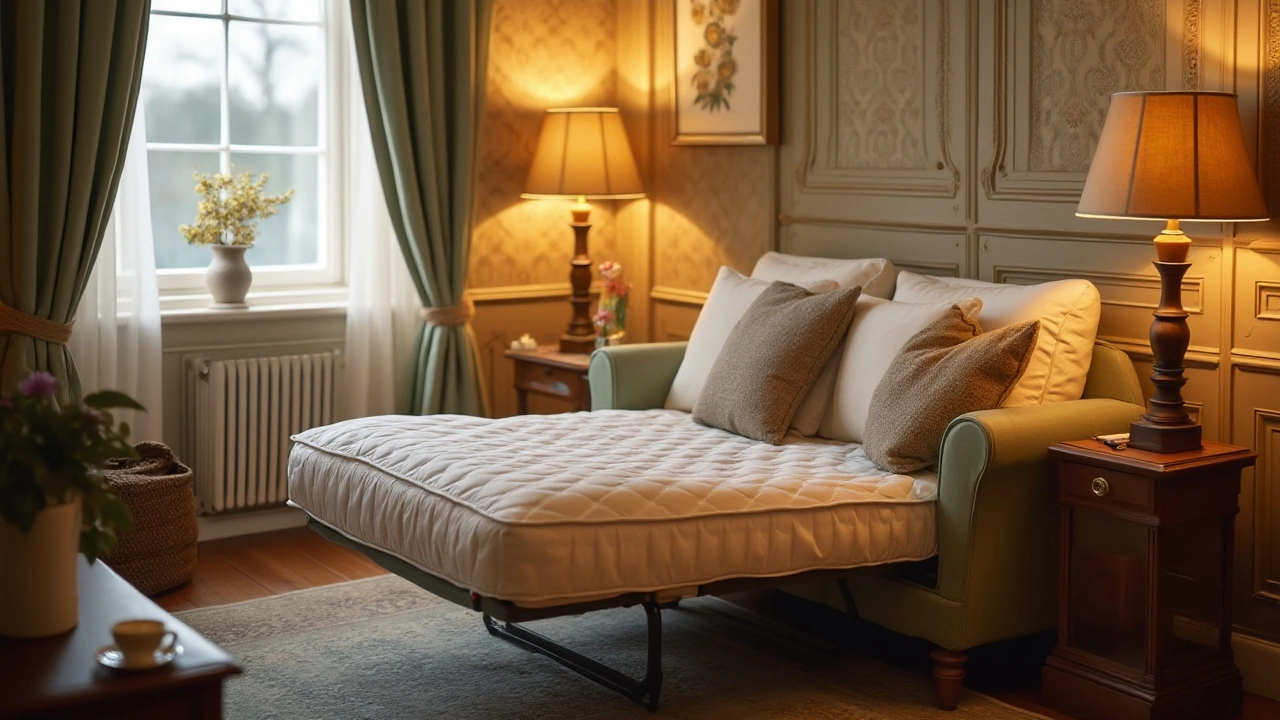
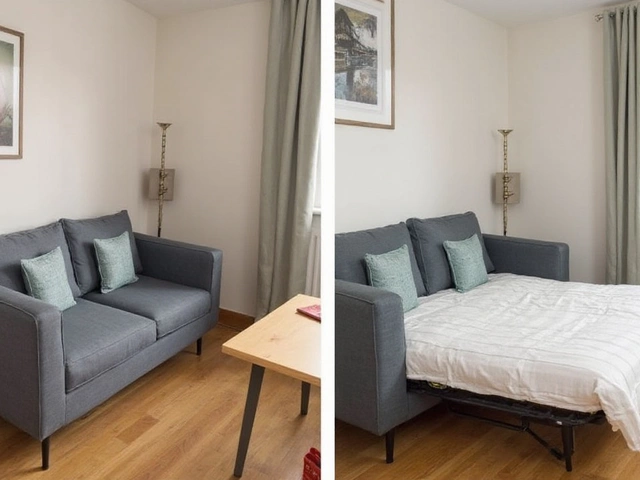
Comfortable Seating Tips for a Cozy Home
Finding seats that feel good and look right can be a challenge, but it doesn’t have to be. Whether you’re shopping for a new sofa, adding an armchair, or rearranging what you already have, the right choices make a room feel inviting and relaxed. Below are simple steps to help you pick and set up seating that keeps everyone comfortable.
Pick the Right Sofa or Chair
First, think about how you’ll use the piece. If you binge‑watch TV most evenings, a deep‑seat sofa with soft cushions works best. For a family room that sees a lot of foot traffic, choose a sturdy frame and washable fabrics. Look for a density of at least 25 kg/m³ in the foam – that’s firm enough to support you but still gives a gentle give.
Fabric matters too. Natural fibres like cotton or linen breathe and stay cool, while microfiber resists stains and is easy to clean. If you have kids or pets, consider leather or performance fabrics that can handle spills. Colour wise, neutral shades such as warm whites, greiges, or soft blues blend well with most décor and won’t clash with future changes.
Don’t forget the cushion fill. A blend of down and foam gives a plush feel without losing shape over time. Test the seat by sitting for a minute – you should feel supported at the lower back without sinking too far. If you’re buying online, check the return policy so you can try the sofa at home.
Arrange and Care for Your Seats
Placement influences comfort as much as the furniture itself. Keep the main seating a few feet away from the TV to avoid neck strain. A good rule is the optimal viewing distance is about 1.5 to 2.5 times the screen size. This also leaves room for side tables and lamps without crowding the space.
Give each piece breathing room. Too many sofas in one area can make the room feel cramped. Try arranging a sofa opposite a pair of armchairs to create a balanced conversation zone. Use a rug to define the seating area – a rug that extends at least 18‑24 inches beyond the furniture edges keeps the layout grounded.
Regular maintenance extends the life of your seats. Vacuum fabric weekly to remove dust that can cause wear. Rotate cushions every few months to keep the foam even. For leather, wipe with a damp cloth and apply a conditioner twice a year. If you store a couch for a while, keep it in a dry, well‑ventilated spot to prevent mold – humidity is the biggest enemy.
Finally, add small touches that boost comfort. A few throw pillows in complementary colours add support for the lower back and lounge arms. A soft blanket draped over the back can make chilly evenings cozier. These accessories are easy to swap out when you want a fresh look without buying new furniture.
By focusing on the right material, proper placement, and simple upkeep, you can create a seating area that feels inviting day after day. Comfortable seating isn’t a luxury – it’s the foundation of a relaxed home.