Closet Etymology Explained
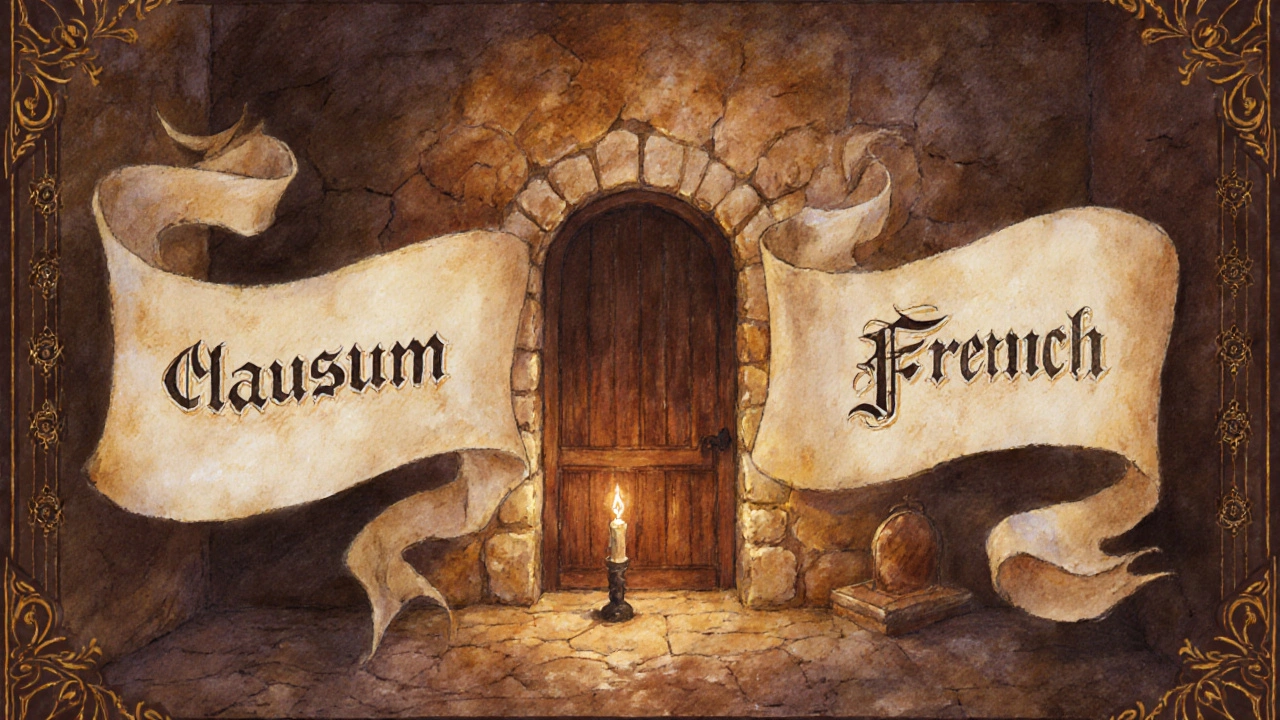
When diving into closet etymology, the study of where the word ‘closet’ comes from and how its meaning has changed over time, you quickly see it’s more than a language quiz. The term traces back to the Old French *closet* meaning ‘small enclosed place’, which itself stems from the Latin *clausum* – ‘closed’. This linguistic path links directly to today’s built‑in storage rooms, but also to older pieces that still live in antique markets.
From Wardrobes to Armoires: Key Related Terms
Understanding closet etymology also means knowing the sibling words that popped up along the way. Take wardrobe, a freestanding storage unit originally designed for hanging clothes. Its French roots, *garde‑robe* (‘guard‑robe’), show a clear shift from protecting garments to becoming a room‑scale solution. Then there’s the armoire, a tall, often ornate French cabinet used for clothes and linens. Armoires were status symbols in the 17th‑18th centuries, merging fashion with function. Finally, the press, a British term for a built‑in cupboard that stored linens and china reflects regional naming quirks. Each of these items shares the core idea of “closed storage” but adds cultural flavor.
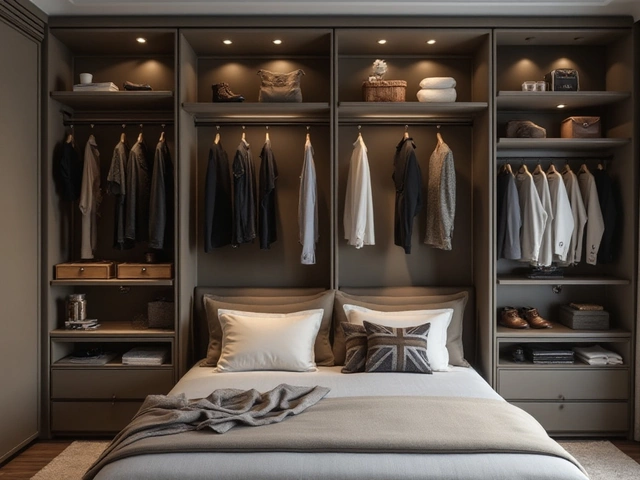
These three related entities connect back to closet etymology in clear ways: Closet etymology encompasses the historical naming of wardrobe, armoire, and press. The semantic triple “Wardrobe influences modern closet design” explains why many new walk‑in closets still follow the hanging‑rod layout of classic wardrobes. Meanwhile, “Armoire represents antique storage furniture” highlights how today’s designers often pull decorative cues from historic armoires for luxury bedroom closets. Finally, “Press contributes regional terminology to storage vocabularies” shows how language shapes the way we talk about rooms versus furniture. Together, these connections map a timeline from medieval stone chambers to sleek contemporary fittings.
Why does this matter for anyone buying or designing a closet today? First, knowing the origin helps you spot authentic antique pieces. If a seller calls a large wooden cabinet an “armoire”, you can expect decorative paneling, crown molding, and often a hidden interior shelf—features that differ from a plain “wardrobe”. Second, the evolution of the term informs layout choices. A modern “walk‑in closet” borrows the spatial freedom of old “press rooms”, giving you room to move around, install lighting, and add custom shelving. Third, language influences resale value. Antique wardrobes and armoires listed correctly attract collectors who recognize the historic value tied to the original terminology.
Let’s break down a quick cheat‑sheet for the most common names you’ll encounter:
- Closet: Built‑in, often recessed, focused on efficiency and concealment.
- Wardrobe: Freestanding, tall, usually includes hanging space and sometimes drawers.
- Armoire: Ornate, French‑style, may feature glass doors, decorative hardware, and interior compartments.
- Press: British term for a wall‑built cupboard, historically used for linens.
From a practical standpoint, the etymology also clues you into material choices. Early wardrobes and armoires were crafted from solid oak or walnut, prized for durability. Modern closets often use engineered wood or MDF to keep costs down while mimicking the look of those traditional woods. If you love the historic vibe, ask your carpenter to source reclaimed oak for a “wardrobe‑style” closet, marrying the old‑world name with today’s building standards.
All this background sets the stage for the articles you’ll find below. They dive deeper into specific topics—like how to differentiate an antique armoire from a replica, why the term ‘wardrobe’ still matters in contemporary design, and tips for preserving wooden storage pieces in varying climates. Ready to explore the full spectrum of closet history and practical advice? Keep scrolling to discover the insights tailored for both history buffs and modern homeowners alike.