Why Climate Controlled Storage Is a Must for Your Furniture
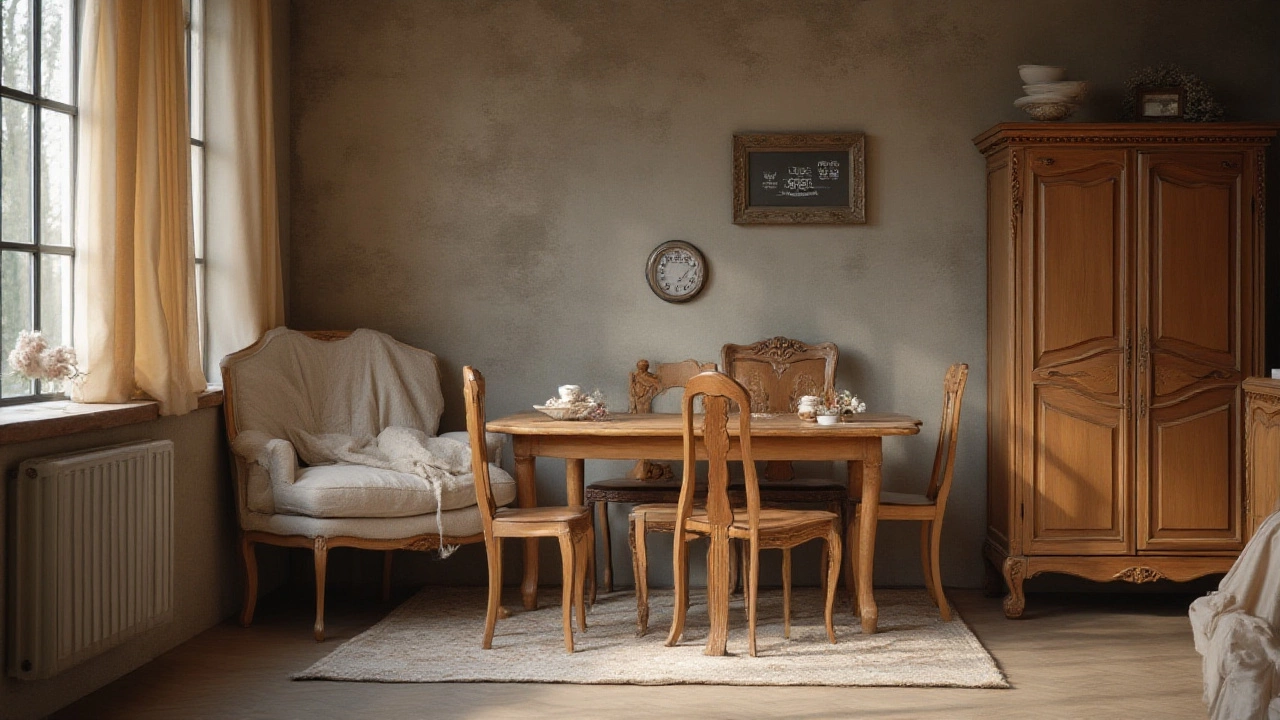
Ever wonder why a sofa looks flawless after a year in your garage while another piece cracks and warps? The secret is simple – temperature and humidity control. A climate controlled storage unit keeps the air dry and the temperature steady, stopping the moisture cycles that cause wood to swell, fabrics to mildew, and finishes to fade.
Unlike an unheated garage or a damp basement, a climate controlled space stays around 55‑75°F (13‑24°C) with humidity between 45‑55%. Those numbers may look technical, but they mean the air isn’t too hot, too cold, or too soggy for your furniture. The result? Less likely to develop mold, less risk of wood warping, and a longer life for every piece you store.
How It Stops Common Storage Problems
Moisture damage. Wood loves water. When humidity spikes, wood fibers absorb moisture, swell, and later shrink as they dry. That constant movement leads to cracks and joint loosening. Climate control keeps humidity in the safe zone, so the wood stays stable.
Mold and mildew. Fabrics, leather, and even painted surfaces can become breeding grounds for mold if they sit in damp air for weeks. A dry environment blocks mold spores from growing, keeping sofas, cushions, and decorative pieces fresh.
Temperature extremes. Heat can fade finishes and soften adhesives, while cold can make wood brittle. A steady temperature protects finishes and keeps glued joints intact.
Practical Tips for Using Climate Controlled Units
1. Choose the right size. Pack enough space to let air circulate around each item. Crowding traps moisture and defeats the climate control.
2. Wrap items properly. Use breathable cloth covers, not plastic. Plastic seals in moisture, while cloth lets the controlled air do its job.
3. Elevate furniture. Place pieces on pallets or shelves, especially if the unit’s floor can get damp. Elevation stops water from wicking up from the ground.
4. Check for leaks. Even the best units can have a faulty door seal. Walk the space before you store anything valuable and report any moisture spots.
5. Rotate items. If you’re storing long‑term, move pieces every few months. This helps spot any early signs of damage and lets the air flow around them.
6. Use desiccant packs. For extra peace of mind, add a few silica gel packets inside wardrobes or cabinets. They’re cheap and absorb any stray humidity.
By following these steps, you’ll get the most out of a climate controlled unit. Your furniture will stay as close to showroom condition as possible, even after years of storage.
Bottom line: If you care about the value, look, and comfort of your furniture, climate controlled storage isn’t a luxury – it’s a smart, affordable insurance policy. Choose a reputable provider, prep your pieces, and enjoy the peace of mind that comes with knowing your investment is safe from moisture, mold, and temperature swings.