Chair for Back Pain: Find the Right Support for Daily Comfort
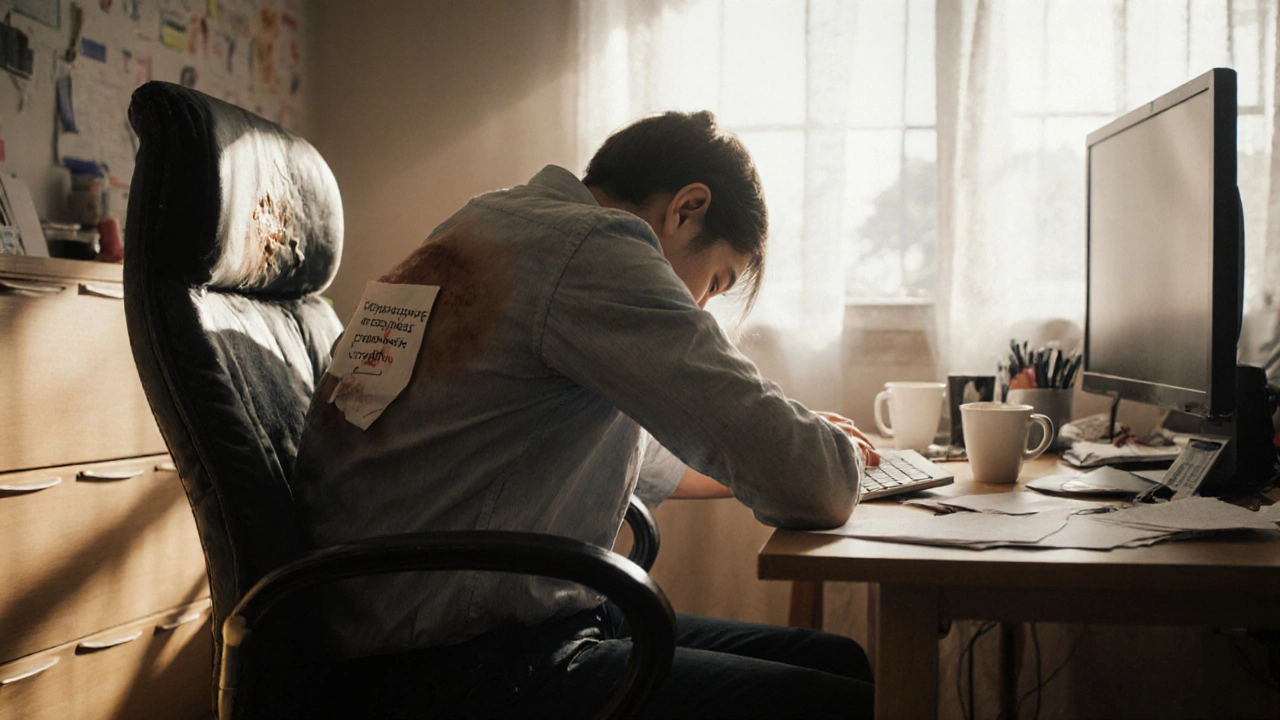
When you sit for hours—whether at a desk, in front of the TV, or driving—a chair for back pain, a seating solution designed to reduce strain on the spine and support natural posture. Also known as an ergonomic chair, it’s not just about cushioning—it’s about alignment, stability, and long-term spinal health. If your lower back aches by midday, or you feel stiffness after sitting too long, you’re not alone. Millions of people in the UK struggle with this, and most of them are using chairs that don’t actually support their spine the way it needs.
The problem isn’t always how long you sit—it’s how you sit. A lumbar support, the curved section of a chair that fits the natural inward curve of your lower back is critical. Without it, your spine collapses into a C-shape, putting pressure on discs and muscles. That’s why many people who buy "comfortable" chairs still end up in pain. True relief comes from structure, not softness. And it’s not just about the chair itself. Your seating posture, how you position your hips, knees, and feet while seated matters just as much. Feet flat, hips slightly higher than knees, shoulders relaxed—these small adjustments turn a good chair into a great one.
Some think a hard chair is better, others swear by memory foam. But the truth? It’s not about firmness—it’s about customization. A chair that works for someone with degenerative disc disease might be too rigid for someone with muscle tension. That’s why the best solutions are adjustable: height, armrests, tilt, and especially lumbar depth. You need to be able to fine-tune it to your body, not force your body to fit the chair. And if you’re shopping for something custom, remember: handcrafted furniture can make a difference. Unlike mass-produced models, bespoke chairs can be built to match your exact spine curve, seat depth, and even your preferred recline angle.
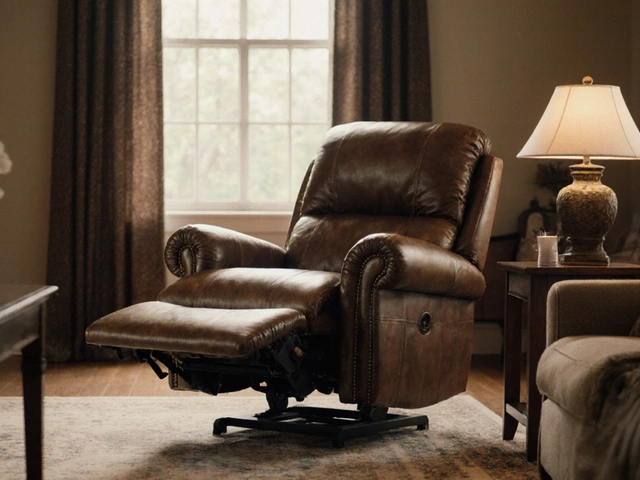
What you’ll find in the posts below are real insights from people who’ve tried everything—from recliners to office chairs to DIY fixes. Some found relief with simple adjustments. Others needed a full redesign. You’ll see what works, what doesn’t, and why. No marketing fluff. Just what actually helps when your back is screaming for a break.