Caregiver Sleep Safety
When working with caregiver sleep safety, the practice of creating a secure, comfortable sleep environment for the people you look after. Also known as safe sleep for caregivers, it prevents falls, reduces overheating and helps everyone get better rest, you quickly discover that a few key factors make all the difference. The first factor is the sleep environment, a collection of lighting, temperature, noise and layout elements that shape how safe a night feels. The second factor is bedside furniture, which includes rails, low‑profile frames and sturdy nightstands that keep items within reach but out of the way.
Core Elements that Keep Sleep Safe
One of the biggest mistakes caregivers make is overlooking the mattress. A firm, breathable mattress not only supports proper spinal alignment but also limits the risk of suffocation for infants and reduces pressure points for adults. Pair that with a fitted sheet that stays tucked – a simple step that stops loose fabric from bunching up. Next, think about room temperature; studies show that keeping the bedroom between 16‑20°C (60‑68°F) cuts down on overheating, a leading cause of sleep disturbances. A reliable thermostat or a portable fan can maintain that sweet spot without creating drafts.
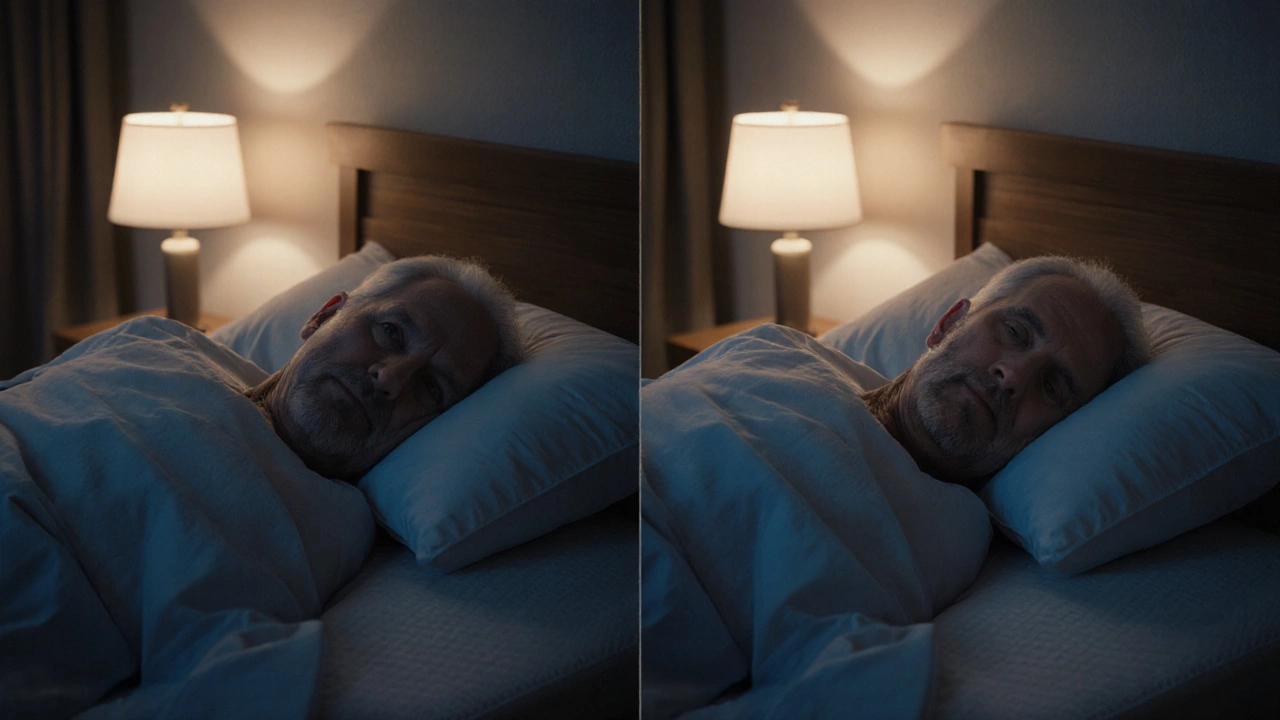
Sound control is another hidden hero. White‑noise machines or a soft fan mask sudden noises that might startle a sleeper, while also helping maintain a consistent breathing rhythm. Light levels matter, too. A dim nightlight offers enough visibility for quick checks without disrupting melatonin production, and blackout curtains keep early sunrise from pulling the sleeper out of deep rest. All these pieces—mattress firmness, temperature, sound, and light—form a web of safety that supports the caregiver’s mission.
Placement of furniture also matters. A bedside table should be low enough to avoid a tripping hazard but sturdy enough to hold water, glasses or a phone. Avoid placing the crib or bed too close to windows, radiators or cords that could be pulled. In shared rooms, create a clear “sleep zone” by using area rugs or low partitions; this defines a safe space and reduces the chance of accidental bumps during nighttime checks.
Security devices add another layer of protection. Bed rails are essential for children who climb out of bed, while motion‑sensing alarms can alert caregivers if an older adult gets up and wanders. Simple tools like a baby monitor with video and temperature read‑outs give real‑time insight without the need to enter the room repeatedly, preserving both safety and sleep continuity.
Finally, daily habits help maintain the safety net you’ve built. Regularly inspect mattress covers for wear, test the stability of furniture after each cleaning, and adjust the thermostat seasonally. Keeping a checklist in the bathroom or on the fridge can remind you to check these items each week, turning safety from a one‑time setup into a routine.
All these guidelines combine to create a holistic approach: caregiver sleep safety isn’t just a checklist, it’s a living system that adapts as the people you care for grow and change. Below you’ll find a curated selection of articles that dive deeper into each of these topics, from choosing the right sofa bed for back health to preventing mold on bedroom furniture. Use them as quick references or a deeper dive, depending on what you need right now.