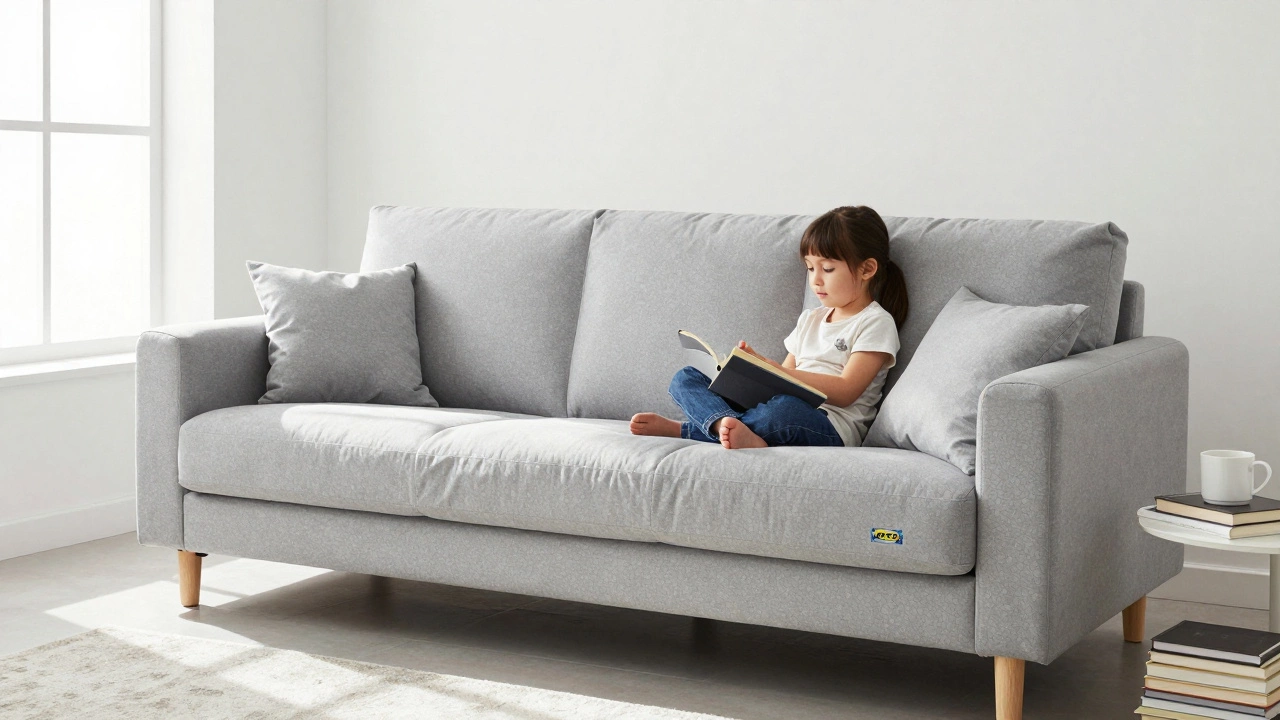
Best Sofas: How to Choose, Price, and Style the Perfect Couch
Looking for a new sofa can feel overwhelming. You walk into a showroom and see hundreds of styles, colours, and price tags. The good news? You don’t need to be a design expert to pick a sofa that works for you. In this guide we break down the real factors that make a sofa the best fit for your living room, budget, and lifestyle.
What Makes a Sofa the Best Choice?
First, think about what you actually need from a sofa. Is it a family hub that survives kids and pets? Or a sleek piece for a small apartment? The "best" sofa meets three basic criteria: comfort, durability, and style.
Comfort. Sit on the couch for at least 30 seconds. The cushions should feel supportive without being too hard. Look for high‑density foam or a mix of foam and down – they hold shape longer. If you love lounging, a deeper seat and a lower back might be better.
Durability. Frame material matters. Kiln‑dried hardwood frames resist warping, while metal frames can be lighter but may squeak over time. Check the joinery – tenons, dowels, or corner blocks are signs of solid construction. For upholstery, consider fabrics like performance polyester, leather, or woven blends that stand up to spills and pet hair.
Style. Trends come and go, but a timeless silhouette lasts. In 2025 the most popular sofa colour is a soft greige – it blends easily with both warm and cool décor. If you want a statement, deep navy or muted teal are gaining traction. Keep the shape simple: clean lines, low profile, and subtle tufting work well in most rooms.
Tips for Picking the Right Sofa for Your Home
Now that you know what to look for, here are practical steps to narrow down the options.
Measure your space. Grab a tape and note the width, depth, and height of the area. Leave at least 30 cm of walking space around the sofa. If you’re buying online, use a tape measure on the floor to visualize the footprint.
Set a realistic budget. A $2,000 sofa can be worth it if it uses solid wood and high‑quality fabric. However, many mid‑range pieces (around $800‑$1,200) offer similar durability with modern designs. Cheap sofas under $500 often use particleboard frames and low‑grade fabric – they may need replacing in a few years.
Think about placement. Avoid putting a sofa directly against a window where it blocks natural light. Instead, angle it toward the focal point, whether that’s a TV, fireplace, or a beautiful view. Use a rug to define the seating area and keep the couch from feeling lost.
Test the pull‑out or sleeper. If you need a sofa bed, try the mechanism a few times. It should open and close smoothly without loud clicks. The mattress should be firm enough for nightly use but plush enough for occasional naps.
Check the warranty. Good manufacturers stand behind their work with at least a 5‑year frame warranty and a 2‑year upholstery guarantee. That tells you they expect the sofa to last.
Putting these pieces together makes the decision a lot easier. You’ll end up with a sofa that looks great, feels comfy, and holds up for years. Remember, the best sofa isn’t the most expensive one – it’s the one that fits your life and style without breaking the bank.