Bad TV Locations: Spot the Mistakes Before You Set Up
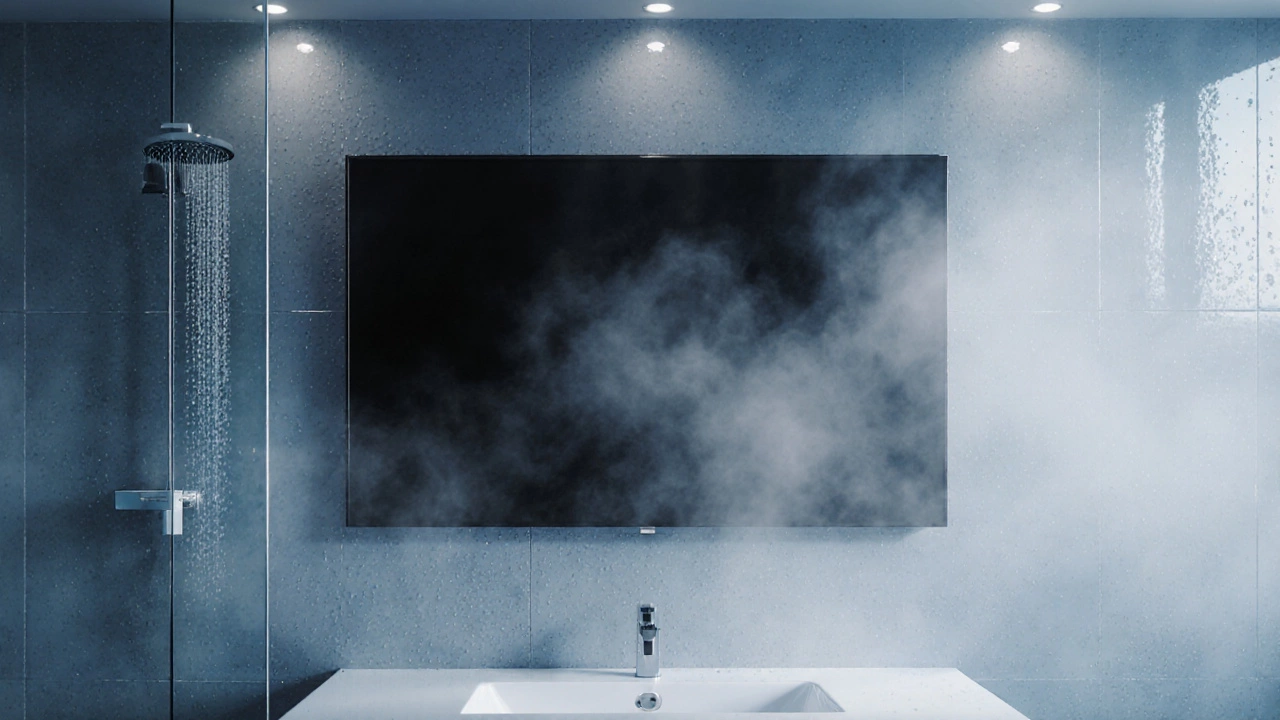
When planning your home entertainment area, bad TV locations, spots that cause poor viewing angles, glare, or safety risks can ruin the experience. Also known as poor TV placement, these spots often result from ignoring the right TV wall mount, a fixed‑up solution that keeps the screen at optimal height and reduces wobble or the flexible TV stand, a free‑standing piece of furniture that lets you adjust height and position easily. A well‑thought living room layout, the overall arrangement of seating, lighting, and décor works hand‑in‑hand with these choices to prevent glare, neck strain, and accidental knocks. In short, avoiding bad TV locations means matching the right mounting method with a sensible room flow, ensuring safety, comfort, and a clean look.
Why does a bad spot matter? First, glare from windows or overhead lights can wash out the picture, forcing you to crank up brightness and waste energy. Second, placing the screen too low or too high creates neck fatigue – a classic ergonomics issue that the TV wall mount solves by letting you set the perfect eye‑level height. Third, a heavy TV on a low‑quality TV stand can tip over if kids or pets bump into it, turning a cozy night into a repair nightmare. The living room layout also dictates cable routes; a cramped setup can lead to tangled wires, tripping hazards, and a messy look. When you pair a sturdy wall mount with a layout that leaves enough clearance around seating, you get a safe, glare‑free viewing zone that’s easy to clean and maintain. These connections—bad TV locations ↔ glare, bad TV locations ↔ neck strain, and bad TV locations ↔ safety hazards—show why each decision matters.
How to Choose the Right Spot for Your TV
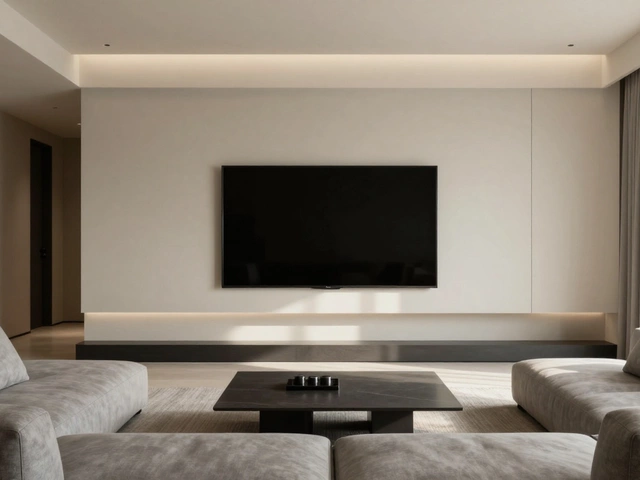
Start by measuring the distance between your seating and the screen; a good rule of thumb is that the viewing distance should be about 1.5 to 2.5 times the TV’s diagonal. Next, check the wall type: studs or solid masonry are a must for a safe TV wall mount installation, while drywall alone may need additional anchors. If the wall isn’t ideal, opt for a sturdy TV stand with a wide base and consider a ceiling‑mounted bracket for high‑ceiling rooms. Look at natural light sources—place the TV so that windows are either side or behind the viewer, never directly behind the screen, to cut glare. Finally, map out your living room layout on paper or a simple app; draw the couch, chairs, coffee table, and any walkways, then slot the TV into the remaining space. This visual test helps you spot traffic‑flow issues and ensures you leave room for speakers, consoles, and décor without crowding the area.
By keeping these pointers in mind, you’ll be able to spot a bad TV location before it becomes a problem. Below you’ll find a curated set of articles that dive deeper into TV mounting versus stands, optimal viewing heights, and smart living‑room arrangements, giving you the tools to make the right call for your home.