Back Support Tips: Choose Furniture that Keeps Your Spine Happy
We all spend hours sitting – at a desk, on a couch, or in bed. Bad posture adds up fast and can leave your back sore. The good news? You can fix most of the problems with a few smart furniture choices and tiny daily habits. Let’s break down what really helps your back and how to put it into practice today.
Pick the Right Chair
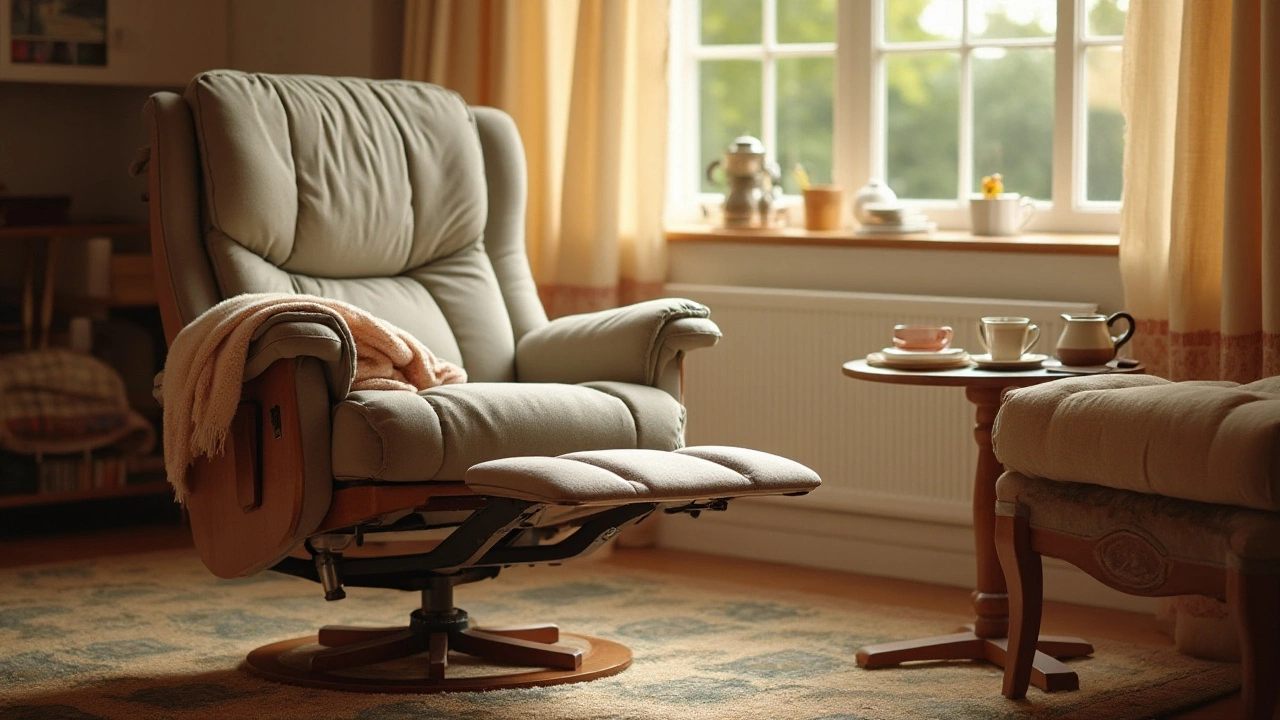
When you sit, the chair is the first line of defense. Look for a seat that supports the natural curve of your lower back. A built‑in lumbar pad or an adjustable one works best. Keep the seat depth deep enough so you can sit back without pressure on the back of your knees. Height matters too – your feet should rest flat on the floor and your hips stay level with your knees.
Set Up Your Desk Right
Your desk should let your elbows rest at a 90‑degree angle. If the surface is too high, raise your chair; if it’s too low, use a keyboard tray. Keep the top of your screen at eye level; you shouldn’t have to tilt your head up or down. Adding a footrest can also stop you from slouching when your chair is too high.
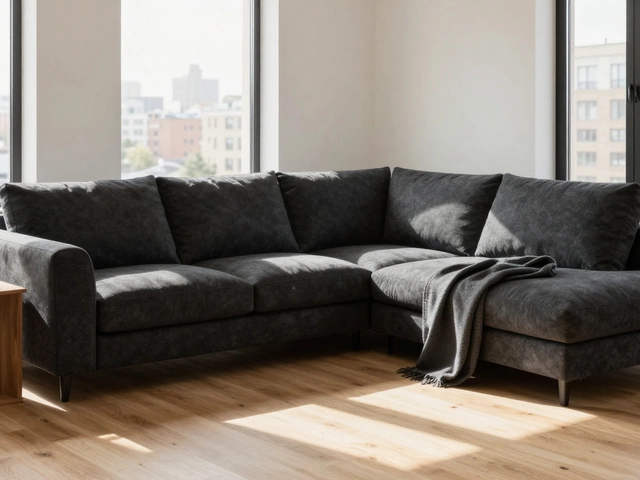
Don’t forget about sofas and beds. A soft couch might feel great, but a sagging seat pushes you forward and hurts your spine. Choose a sofa with firm cushions and a slight recline. In the bedroom, a mattress that’s too soft or too hard can cause back strain. A medium‑firm mattress with good edge support usually works for most people.
Small habits make a big difference. Stand up and stretch every 30‑45 minutes – even a minute of reaching for the ceiling or rolling your shoulders helps reset your posture. A quick walk to the kitchen or a few torso twists keep the muscles from locking up. If you’re gaming or binge‑watching, set a timer to remind you to move.
When shopping, check for adjustable lumbar support. Many office chairs let you slide the pad up or down, or change its firmness. If the chair doesn’t have built‑in support, a small rolled‑up towel or a dedicated lumbar cushion can fill the gap. The goal is to keep the lower spine’s natural curve – called the lordotic curve – supported at all times.
Never buy a chair without trying it first. Sit for at least five minutes and lean back. Your back should feel supported, not forced into a position. If you feel pressure on your tailbone or a gap in the lower back, walk away. Adjust the backrest angle and test the armrests – they should let your shoulders relax.
Take care of your furniture so it keeps supporting you. Clean the chair’s mechanisms regularly and tighten any loose screws. Replace worn cushions before they get too flat. A well‑maintained desk and chair stay level and sturdy, which means your back stays safe.
Bottom line: good back support is a mix of the right furniture and a habit of moving. Choose a chair with solid lumbar help, set your desk to keep elbows and eyes in a neutral spot, and add short stretch breaks. Your spine will thank you with less pain and more energy for the things you love.