Average Closet Size: What’s the Right Dimension for Your Home?
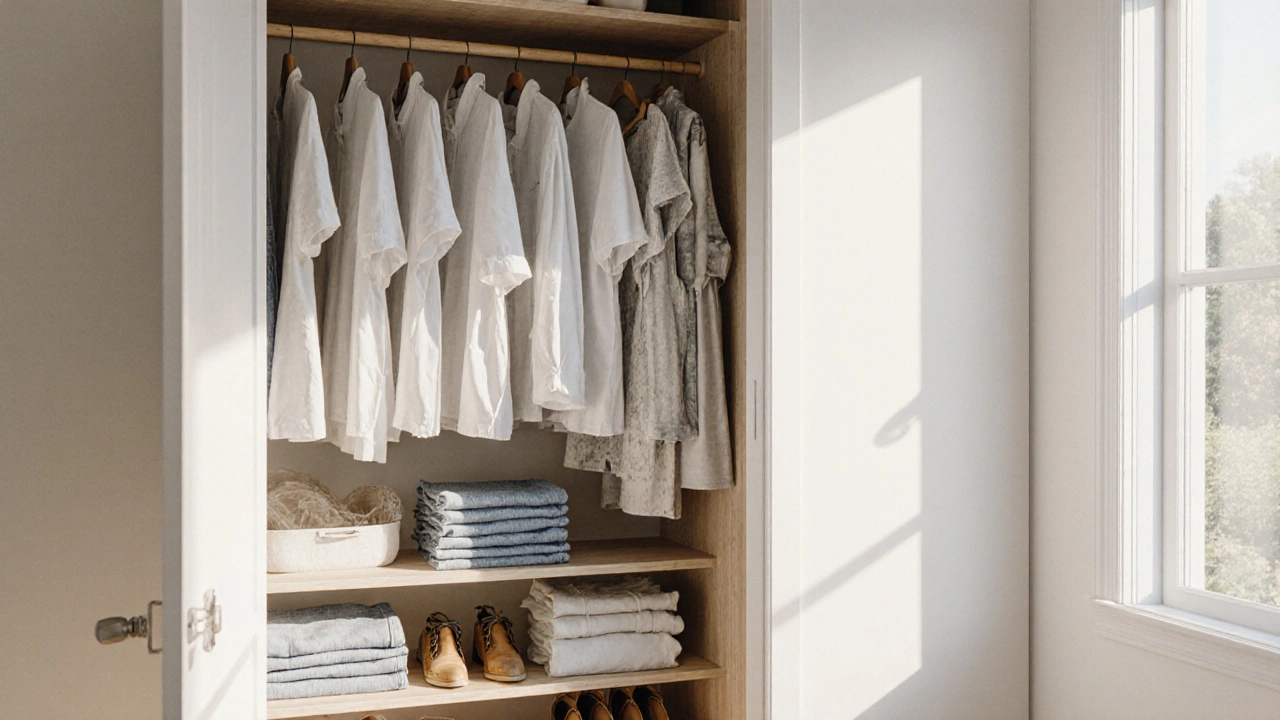
When planning your home layout, average closet size, the typical range of width, depth, and height measured in inches or centimeters. Also known as standard closet dimensions, it helps you gauge how much space you’ll need for clothing, shoes, and accessories. A walk‑in closet, a larger, room‑size storage area that often exceeds 6 ft in width and requires a dedicated floor plan pushes the average up, while a compact wardrobe, a freestanding furniture piece that mimics a built‑in closet but usually stays under 4 ft wide stays below the norm. Knowing your storage capacity, how many garments, shoes, and accessories the space can comfortably hold lets you pick a size that won’t feel cramped or waste precious square footage.
Entity‑Attribute‑Value details make this clearer: the central entity (average closet size) has key attributes such as depth (typically 24 in), width (36–60 in for a reach‑in, 72 in+ for a walk‑in), and height (around 80 in to accommodate hanging rods). Those values shape the overall storage capacity and dictate whether a built‑in wardrobe or a standalone armoire is a better fit. In short, the bigger the width and depth, the more hanging space you get, but you also need to consider floor‑plan flow and ceiling height.
Understanding these relationships helps you avoid two common mistakes: buying a closet that’s too shallow for seasonal coats, and over‑designing a walk‑in that eats up living‑room space. By matching the average size to your household’s needs, you’ll end up with a functional, roomy closet without sacrificing other rooms.
Factors That Influence How Big Your Closet Should Be
Family size is the biggest driver. A single adult typically does fine with a 36‑inch wide reach‑in, whereas a couple usually needs at least 48‑inch width to separate wardrobes and still have shelf space. Kids’ rooms often use a 24‑inch depth and a modest 30‑inch width because they store fewer items. Ceiling height matters too; higher ceilings allow you to add double hanging rods, effectively doubling the vertical storage without widening the closet.
Built‑in versus freestanding also changes the game. Built‑ins can be custom‑designed to fit niche corners, giving you the advantage of a deeper floor cavity (up to 28 in) while keeping the external door depth at a comfortable 24 in. Freestanding wardrobes, on the other hand, must stay within standard door clearances and often sacrifice depth for mobility. Finally, lifestyle choices—like a love for shoes, accessories, or seasonal gear—alter the internal layout, prompting the addition of pull‑out shoe racks, built‑in drawers, or a dedicated apparel island inside a walk‑in.
Below you’ll find a curated collection of articles that dig deeper into each of these topics. From the exact measurements you need for a reach‑in wardrobe to clever space‑saving tricks for tiny apartments, the posts cover everything you need to decide the perfect average closet size for your home. Dive in and discover practical tips, real‑world examples, and expert advice that will turn any closet‑planning project into a hassle‑free success.