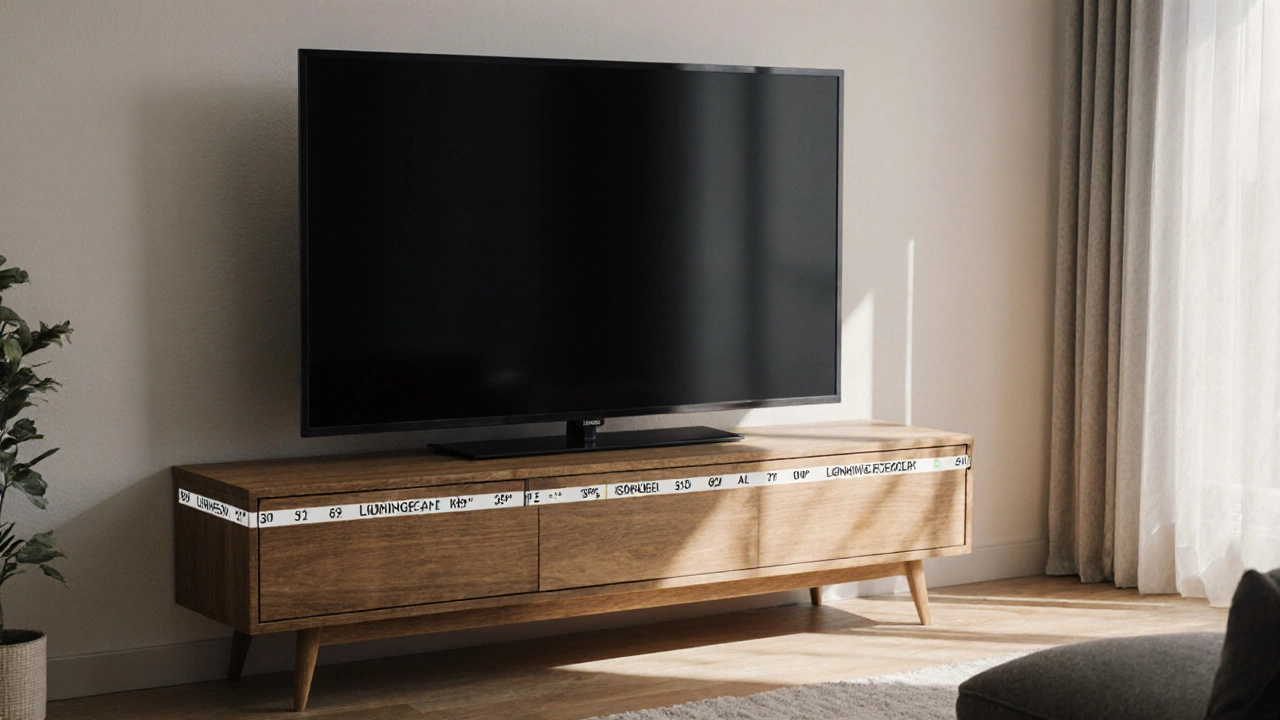
75 inch TV on 60 inch Stand: A Practical Guide
When planning a 75 inch TV on 60 inch stand, you’re pairing a large flat‑screen with a narrower piece of furniture that must support its weight and size. Also known as large TV on narrow stand, this setup demands careful attention to dimension matching, weight capacity, and overall room layout. 75 inch TV on 60 inch stand looks sleek, but only if the stand’s width, depth, and load rating align with the TV’s specifications. In addition to the main pieces, you’ll also need to think about the TV stand, a furniture unit that often includes shelves for consoles, cable management, and a sturdy base. The stand’s material—solid wood, metal, or engineered board—affects stability and longevity. Equally important is the viewing distance, the ideal space between the screen and the viewer, generally 1.5 to 2.5 times the screen’s diagonal. Getting this distance right reduces eye strain and maximizes picture clarity, especially on a 75‑inch panel.
Key Things to Consider Before You Place the TV
One of the first decisions is whether to keep the TV on the stand or mount it on the wall. A wall mount, a hardware solution that fixes the screen directly to the wall, freeing floor space and often offering better height adjustment, can solve the width mismatch but adds the need for secure anchoring and cable routing. If you stay with the stand, check the weight capacity, the maximum load the furniture can safely handle, usually listed in kilograms or pounds. Exceeding this limit can lead to wobbling or, worse, structural failure. Placement also influences glare and heat. Position the TV away from direct sunlight and heat sources; modern LEDs generate less heat, but a cramped stand can trap warmth, affecting longevity. Finally, think about TV placement, the location within the room that balances eye level, viewing angle, and aesthetic appeal. Center the screen at eye height when seated, keep it at least a few inches from the wall to allow airflow, and consider the room’s focal point.
Beyond the technical specs, the look of a 75‑inch TV on a 60‑inch stand ties into the overall home‑theatre vibe. Choose a stand that matches the room’s style—whether it’s a sleek modern chassis or a handcrafted wooden piece from a bespoke maker. Good cable management keeps the setup tidy; many stands include hidden channels or built‑in power strips. If the stand feels too narrow, add side consoles or floating shelves to create visual balance and extra storage for speakers, game consoles, or décor. Remember the room’s acoustics: placing the TV too low can interfere with speaker placement, while a higher stand can improve sound dispersion. By aligning dimensions, weight, placement, and style, you turn a potentially awkward size combo into a polished focal point that works for both watching and living.
Now that you’ve got the fundamentals—size matching, weight limits, optimal viewing distance, and placement tricks—you’re ready to explore the detailed articles below. They dive deeper into each aspect, from choosing the right stand material to mastering cable concealment, giving you actionable steps to nail the perfect look and performance for your 75‑inch TV on a 60‑inch stand.