Storage Unit Pest Risk Calculator
Assess Your Storage Unit Risk
Answer these questions to identify your risk level and get tailored prevention tips
Your Pest Risk Assessment
Nothing ruins a storage unit faster than pests. A single mouse can chew through boxes, leave droppings everywhere, and attract other bugs. Spiders, ants, cockroaches, and even termites can turn your neatly packed items into a mess you’ll regret. And once they get in, they don’t leave easily. The good news? You can stop them before they even show up - if you know how.
Start with a clean, dry unit
Moisture is the number one invite for pests. If your storage unit feels damp, smells musty, or has condensation on the walls, bugs and mice will find it. Before you even pack anything, check the floor and corners for signs of dampness. Look for water stains, mold, or peeling paint. If you see any, ask the facility manager to move you to a different unit. Climate-controlled units are worth the extra cost if you live somewhere with wet winters or humid summers - like Leeds. These units keep humidity below 55%, which makes life impossible for most bugs and rodents.
Use pest-resistant containers
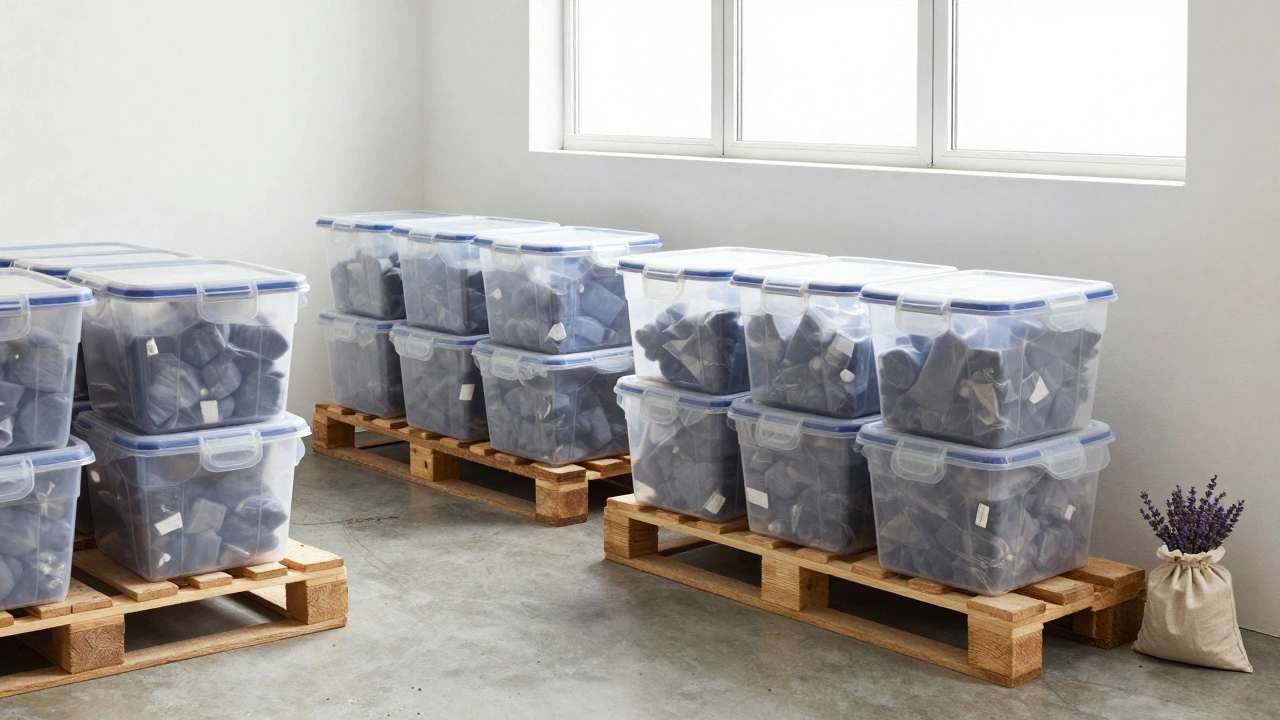
Cardboard boxes? They’re mouse snacks. A mouse can chew through cardboard in minutes. Plastic bins with tight-sealing lids are your best friend. Look for heavy-duty, clear plastic totes with rubber gaskets - the kind used for camping or moving. Brands like Sterilite or Rubbermaid have models specifically designed for long-term storage. Make sure the lid snaps shut firmly. If you can slide a piece of paper between the lid and the bin, it’s not sealed well enough.
For clothes, linens, and fabrics, use vacuum-sealed bags. Not only do they save space, but they also remove air that bugs need to survive. Mothballs and cedar blocks don’t work well in sealed bags - they need airflow to be effective. Instead, stick to lavender sachets or dried mint leaves. They smell nice and keep away moths and spiders without the chemical smell.
Seal every gap
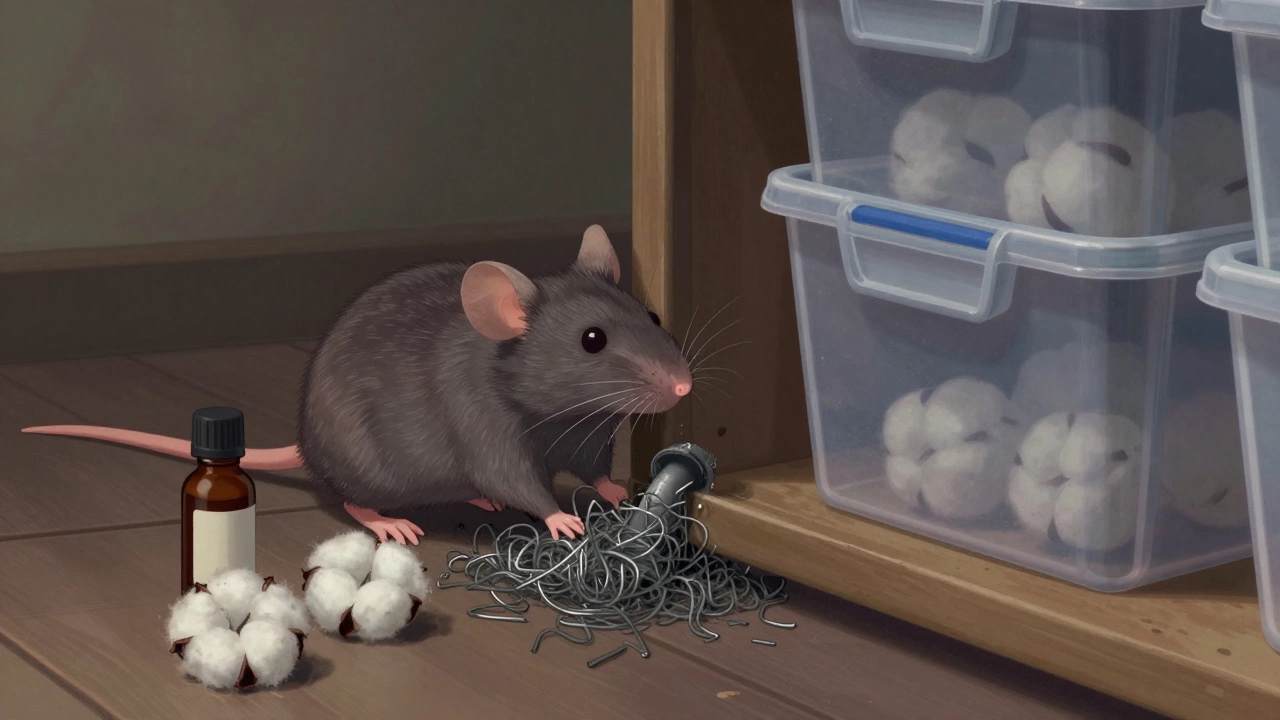
Pests don’t need much space. A mouse can squeeze through a hole the size of a pencil. Spiders crawl through cracks smaller than a credit card. Before you load your things, walk around the unit and look for gaps. Check around pipes, vents, electrical outlets, and where the walls meet the floor. If you’re allowed to, use silicone caulk or steel wool to seal them. Steel wool works better than foam because mice can’t chew through it. If the storage facility won’t let you seal anything, ask them to do it. Most reputable facilities will fix these issues for free if you ask politely.
Don’t store food - even accidentally
This one catches people off guard. You wouldn’t think a box of old cereal or a forgotten granola bar would matter. But mice remember food. Even a single crumb in a shoe or a sticky residue on a cereal box can bring them in. Never store open food, pet food, or even empty food containers. Wash out jars, bottles, and cans before packing them. If you’re storing holiday decorations with food-themed items - like a cookie jar or a cake server - clean them thoroughly. Wipe down everything with vinegar and water. Vinegar kills odors and removes sticky residue that attracts insects.
Use natural repellents
Chemical sprays and traps are tempting, but they’re messy, risky, and often banned in storage units. Instead, use natural repellents that are safe and effective. Place cotton balls soaked in peppermint oil in corners, near vents, and behind boxes. Mice hate the smell and will avoid it. Peppermint oil also repels spiders and ants. Reapply every three weeks - the scent fades. You can also use dried mint leaves, bay leaves, or cedar chips. Put them in small cloth bags so they don’t spill everywhere. Avoid mothballs unless you’re okay with a strong chemical smell that lingers for months.
Keep items off the floor
Mice and bugs don’t like climbing. Elevating your boxes gives them less access. Use wooden pallets, plastic storage risers, or even old bookshelves as platforms. If you don’t have those, stack boxes on top of each other with the heaviest ones on the bottom and leave at least 6 inches of space between the floor and the lowest box. This lets air circulate and makes it harder for pests to hide underneath. It also makes cleaning easier - you can sweep or vacuum under everything without moving heavy boxes.
Check regularly - even if you don’t visit often
Once a month, take five minutes to look inside your unit. Don’t just glance. Open a few boxes. Smell the air. Look for droppings, chew marks, or webs. If you find one mouse dropping, that’s a warning. Don’t wait for a nest. Call the facility manager immediately. Most places have pest control services they can send out. If you notice spiders or ants, wipe down the walls with a vinegar solution. It kills eggs and disrupts scent trails. Keep a small notebook or phone note to log what you see. Patterns matter. If you see bugs every time you visit in spring, it’s time to change your strategy.

What not to do
- Don’t store old newspapers or cardboard - they’re bug hotels.
- Don’t use plastic bags from the grocery store - they’re too thin and tear easily.
- Don’t rely on ultrasonic pest repellers - they don’t work on rodents or insects in enclosed spaces.
- Don’t leave shoes, boots, or jackets lying around - they’re cozy hiding spots.
- Don’t assume the facility handles pest control - most only do it after an infestation.
What to do if pests already got in
If you’ve already found droppings, chewed wires, or a spider nest, don’t panic. But don’t ignore it either. First, remove everything from the unit. Bag up contaminated items - especially fabrics, papers, and food containers - and seal them tightly. Wash anything washable with hot water and bleach. For items that can’t be cleaned, consider discarding them. Then, call the storage facility. Ask them to fumigate or treat the unit. Wait at least 48 hours before putting anything back. When you return, use all the steps above - clean containers, sealed gaps, elevated storage. And this time, check more often.
Final tip: Think like a pest
Mice and bugs aren’t trying to ruin your stuff. They’re just looking for food, warmth, and shelter. If your storage unit offers all three, they’ll move in. Your job isn’t to kill them - it’s to make your unit unappealing. Dry. Sealed. Clean. Elevated. No food. No clutter. No hiding spots. That’s all it takes. Most people overcomplicate pest control. You don’t need expensive gadgets or professional sprays. Just consistency. And a little common sense.