Recliner Pain Relief Feature Checker
Select Your Conditions & Needs
Check all that apply to your current situation. The tool will analyze your selections to recommend the ideal recliner configuration.
Select your conditions and click "Analyze" to see your personalized recommendation.
Recommended Configuration
Based on your selected conditions
Essential Features
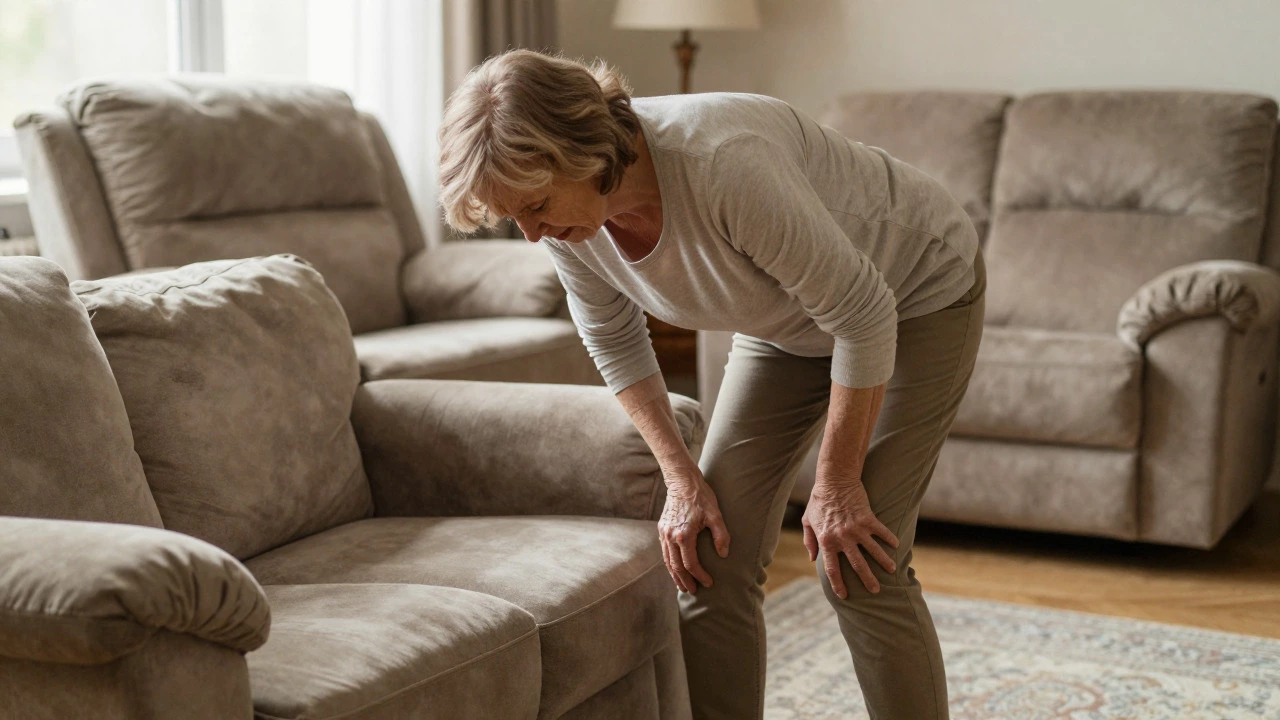
Does getting out of your favorite chair feel like a workout? You’re not alone. As we age, our joints stiffen, muscles weaken, and simple movements can trigger sharp pains in the knees, hips, or lower back. While medication and physical therapy help, your daily environment plays a huge role in how you feel. Specifically, the chair you sit in for hours matters more than you might think.
This isn't just about comfort; it's about mechanics. Sitting in a standard sofa forces your body to work against gravity to stand up, often aggravating existing conditions like arthritis or sciatica. The solution often lies in switching to specialized seating designed to support your changing physiology. In this guide, we’ll break down how specific features in modern recliners can alleviate chronic pain and improve your quality of life.
Why Standard Seating Fails Aging Bodies
To fix the problem, you first need to understand why traditional furniture causes pain. Most sofas and dining chairs are designed for people with strong core muscles and flexible joints. They assume you can easily lift your own weight from a low seat. When that strength fades, these seats become traps.
The main culprit is poor spinal alignment. A flat-back sofa often encourages slouching, which compresses the lumbar discs in your lower back. This compression sends pain signals shooting down your legs-a condition known as radiculopathy. Additionally, soft, sinking cushions provide no actual support. Your hips sink deeper than your knees, creating an angle that restricts blood flow and puts pressure on your hip joints.
Then there’s the issue of transition. Standing up requires significant force from your quadriceps and glutes. If your chair is too low or lacks armrest support, you have to lean forward excessively to generate momentum. This sudden shift in center of gravity can cause knee strain or even falls. Understanding these mechanical failures helps you see why a passive piece of furniture needs to become an active tool for health.
The Mechanics of Pain Relief: How Recliners Work
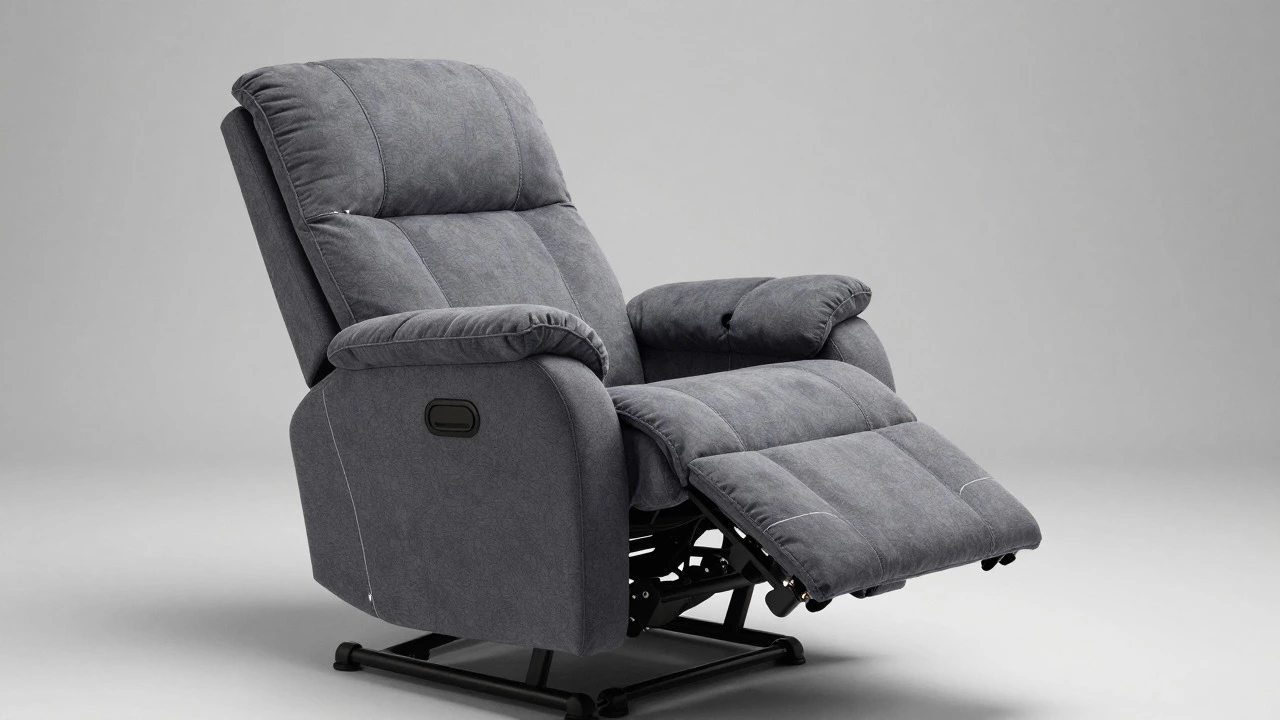
A recliner chair is a type of seating furniture that allows the user to adjust the backrest and footrest to various positions, promoting better circulation and reducing spinal pressure. Unlike static chairs, recliners actively change your body’s geometry to relieve stress points.
When you recline, you shift from a vertical posture to a semi-horizontal one. This simple move reduces the gravitational load on your spine by up to 40%. For someone suffering from degenerative disc disease, this offloading effect provides immediate relief. The footrest extension is equally critical. By elevating your legs above the level of your heart, you encourage venous return. This reduces swelling (edema) in the ankles and feet, a common complaint among seniors who spend long periods sitting.
Furthermore, proper reclining opens up the hip angle. Tight hip flexors are a major source of lower back pain. A recliner gently stretches these muscles while keeping the spine neutral. It’s not just about relaxing; it’s about maintaining range of motion. Think of it as passive physical therapy every time you sit down.
Key Features to Look for in Pain-Relief Seating
Not all recliners are created equal. To truly address old-age aches, you need to look for specific engineering features. Here is what separates a basic lounge chair from a therapeutic aid:
- Lift Mechanism: This is non-negotiable for many seniors. A power lift chair tilts forward and raises the seat height, doing the heavy lifting for you when standing up. It minimizes knee bend and reduces strain on the lower back.
- Lumbar Support: Look for adjustable lumbar zones. Fixed curves don’t fit everyone. Adjustable support ensures the natural S-curve of your spine is maintained, preventing the "slump" that triggers migraines and neck pain.
- Firmness Level: Counterintuitively, softer isn’t always better. High-density foam or firm upholstery prevents your hips from sinking too low. You want support, not envelopment. Memory foam can be good for pressure points but must be dense enough to hold structure.
- Wide Armrests: These act as levers. When you rise, you push down on the arms. Wider, padded armrests distribute this force across your forearms rather than concentrating it on your wrists or elbows.
- Heated Massage Functions: Built-in heat increases blood flow to stiff muscles, while targeted massage nodes can break up tension knots in the shoulders and back. This is particularly helpful for those with fibromyalgia or chronic muscle stiffness.
Choosing the Right Material and Design
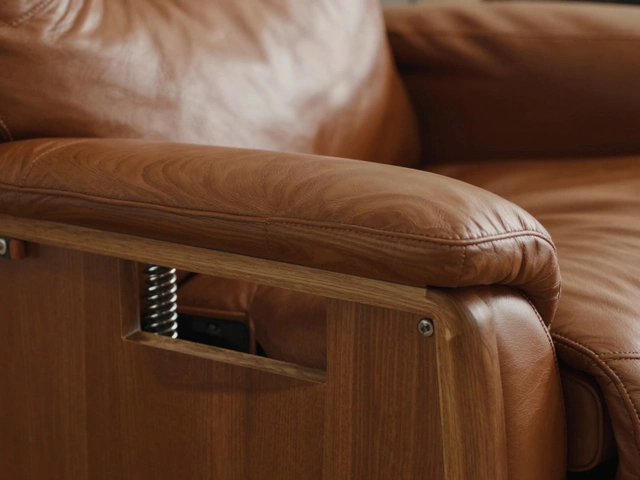
Beyond mechanics, the materials matter. Fabric choices affect temperature regulation and skin sensitivity. Older adults often experience changes in thermoregulation, meaning they get cold easier. Leather or microfiber retains warmth well, but breathable linen blends might be better if you tend to overheat or have sensitive skin prone to rashes.
Design aesthetics shouldn't be ignored either. Many seniors avoid medical-looking equipment. Modern recliners come in styles that blend seamlessly into living rooms, featuring clean lines and contemporary fabrics. This psychological comfort is real-feeling at home in your space reduces stress, which in turn lowers muscle tension. Don't sacrifice style for function; the best options do both.
| Feature | Traditional Manual Recliner | Power Lift Recliner | Zero Gravity Chair |
|---|---|---|---|
| Standing Assistance | Poor (requires leg strength) | Excellent (motorized assist) | Moderate (depends on model) |
| Spinal Decompression | Moderate | High | Very High (even weight distribution) |
| Best For | Mild stiffness, occasional use | Knee/hip replacement recovery, severe mobility issues | Back pain, circulation issues, sleep apnea |
| Cost Range | $300 - $600 | $800 - $1,500+ | $500 - $1,200 |
Practical Tips for Maximizing Comfort
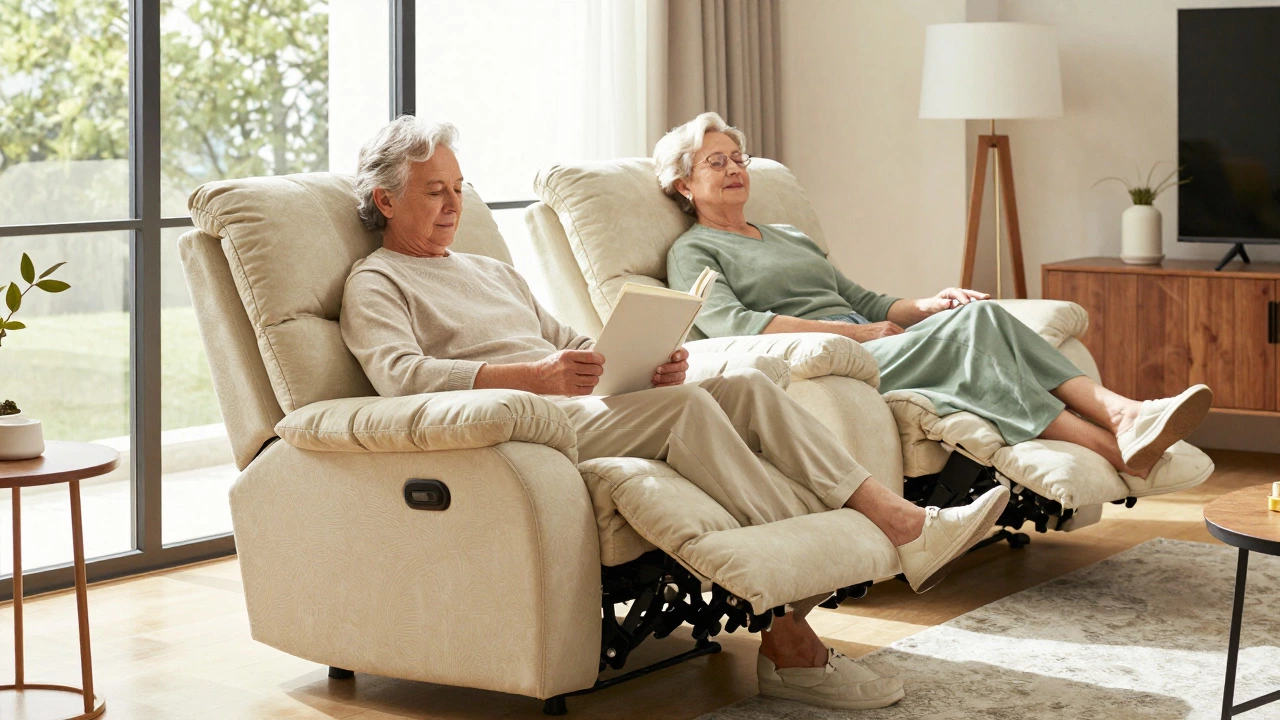
Buying the right chair is only half the battle. How you use it determines its effectiveness. First, establish a routine. Don't stay in one position for more than 30 minutes. Set a timer to remind yourself to shift positions or extend the footrest. Movement keeps synovial fluid circulating in your joints, acting as a natural lubricant.
Second, customize your setup. Use small pillows behind your knees if the footrest feels too aggressive initially. Gradually increase the recline angle as your body adapts. Third, keep the controls accessible. Ensure buttons are large, clearly labeled, and within easy reach. If you have arthritis in your hands, consider models with remote controls or voice activation features.
Finally, integrate movement breaks. Even with a perfect chair, prolonged sitting is detrimental. Stand up, walk around the room, or do gentle stretches every hour. The chair supports you; it doesn't replace activity. Combining ergonomic seating with regular light exercise yields the best results for managing chronic pain.
Common Mistakes to Avoid
Many people make the mistake of choosing a chair based solely on price or appearance. Avoid buying online without testing the mechanism first. Every brand has a different "feel" to their lift motor and recline speed. Some are jerky; others are smooth. Test them in person if possible.
Another error is ignoring size constraints. Measure your doorways and hallways. Large recliners, especially wide ones, can get stuck. Check the dimensions of the chair versus your entry points. Also, consider the floor space needed for full recline. You need clearance behind the chair for the footrest to extend fully without hitting walls or other furniture.
Lastly, don't neglect maintenance. Vacuum crevices regularly to prevent dust mites, which can worsen respiratory issues and skin irritation. Clean spills immediately to protect the fabric integrity. A well-maintained chair lasts longer and continues to provide consistent support.
Is a lift chair necessary for everyone with joint pain?
Not necessarily. If you have mild discomfort and good upper body strength, a standard recliner with firm support may suffice. However, if you struggle to stand from a seated position without using your hands heavily or experiencing knee pain, a power lift chair is highly recommended. It significantly reduces the risk of falls and strain.
Can recliners help with sciatica?
Yes, recliners can provide significant relief for sciatica. By reclining, you reduce pressure on the lumbar spine where the sciatic nerve originates. Elevating the legs also helps align the pelvis, taking tension off the nerve root. Look for models with adjustable lumbar support to target the specific area of irritation.
What is the difference between zero gravity and regular recline?
Regular recline simply tips the back back. Zero gravity positioning adjusts the back and legs so your body is parallel to the ground, mimicking the weightlessness astronauts experience. This position distributes body weight evenly, maximizing spinal decompression and improving circulation more effectively than standard recline angles.
How do I choose the right firmness for my recliner?
If you have acute pain or inflammation, firmer support is usually better as it prevents sinking and maintains alignment. Softer seats might feel nice initially but can lead to poor posture over time. Try sitting for at least 10 minutes in the store. If your hips sink below your knees, the cushion is too soft.
Are heated recliners safe for diabetics?
Diabetics often have reduced sensation in their extremities, making them prone to burns. Heated recliners can be beneficial for circulation but must be used with caution. Choose models with automatic shut-off timers and multiple temperature settings. Always check your skin periodically to ensure it isn't overheating.