Office Chair Value & Tier Estimator
Your Profile
Recommended Tier
Loading...Price Range Visualization
Cost Breakdown Estimate
Submit your details to see where the money goes.
Key Features to Look For
- Submit your details to see essential features.
Let’s be honest: buying an office chair is one of those purchases where the price tag can make your head spin. You see chairs for £50 on sale and others for £1,500 that look like they belong in a spaceship. So, what does "decent" actually mean when it comes to spending money on a seat you’ll use eight hours a day?
The short answer? It depends on how long you sit, your body type, and whether you want a chair that lasts five years or twenty. But there is a sweet spot. For most people, a truly decent office chair costs between £200 and £400. Below that, you’re compromising on durability or support. Above that, you’re paying for brand names, fancy materials, or features you might never use.
The Three Tiers of Office Chair Pricing
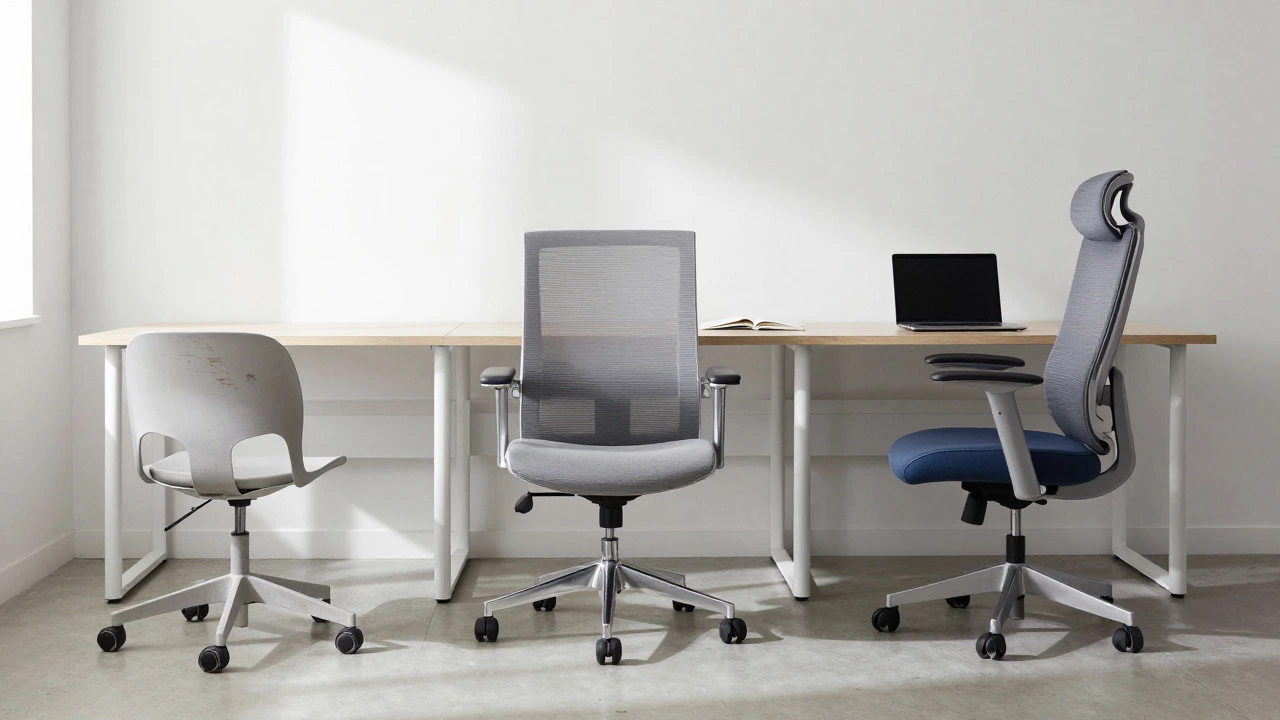
To understand where your money goes, it helps to break down the market into three clear tiers. Each tier serves a different purpose and has specific trade-offs regarding build quality, comfort, and longevity.
Budget Tier: Under £150
This is the territory of basic task chairs. You’ll find these in student rooms, home offices for occasional use, or as temporary replacements. The frame is usually steel or plastic, the fabric is synthetic mesh or polyester, and the lumbar support is often just a padded curve rather than adjustable hardware.
- Lifespan: 1-3 years before mechanisms fail or padding flattens.
- Best for: Part-time workers, students, or anyone sitting less than 4 hours a day.
- Risk: Cheap gas lifts tend to sink over time, and armrests are often non-adjustable.
Mid-Range Tier: £200 - £400
This is the "sweet spot" for full-time professionals. At this price point, you get solid aluminum frames, high-density foam that holds its shape, and genuine adjustability. Brands like Herman Miller (entry-level models), Steelcase, and various UK-based manufacturers compete here. This is where you start seeing proper lumbar support mechanisms, breathable mesh backs, and armrests that move in multiple dimensions.
- Lifespan: 5-10 years with normal use.
- Best for: Full-time desk workers, remote employees, and people with mild back issues.
- Key Feature: Most models in this range offer at least 8-year warranties on core components.
Premium Tier: £400+
Once you cross the £400 mark, you enter the world of executive ergonomics. Think high-end Herman Miller Aeron, Steelcase Leap, or Knoll Lobby. These chairs are engineered with specific body-mapping technologies. They aren’t just comfortable; they actively encourage movement and reduce pressure points over long periods.
- Lifespan: 10-15+ years.
- Best for: People with chronic back pain, executives, or those who view their chair as a long-term investment.
- Note: Diminishing returns set in here. The jump from a £350 chair to a £1,000 chair isn’t always proportional to the comfort increase.
What Actually Drives the Cost Up?
It’s easy to assume that a higher price means better leather or fancier colors. While materials matter, the real cost drivers are mechanical and structural. Here’s where your money is really going:
- Frame Material: Plastic frames crack under stress. Aluminum or steel frames add weight but significantly increase durability. If you weigh over 90kg, avoid all-plastic bases.
- Gas Lift Quality: The cylinder that raises and lowers the seat is a common failure point. Class 3 or Class 4 gas lifts (rated for heavier users) cost more but last longer. Budget chairs often use Class 2, which can sink within months.
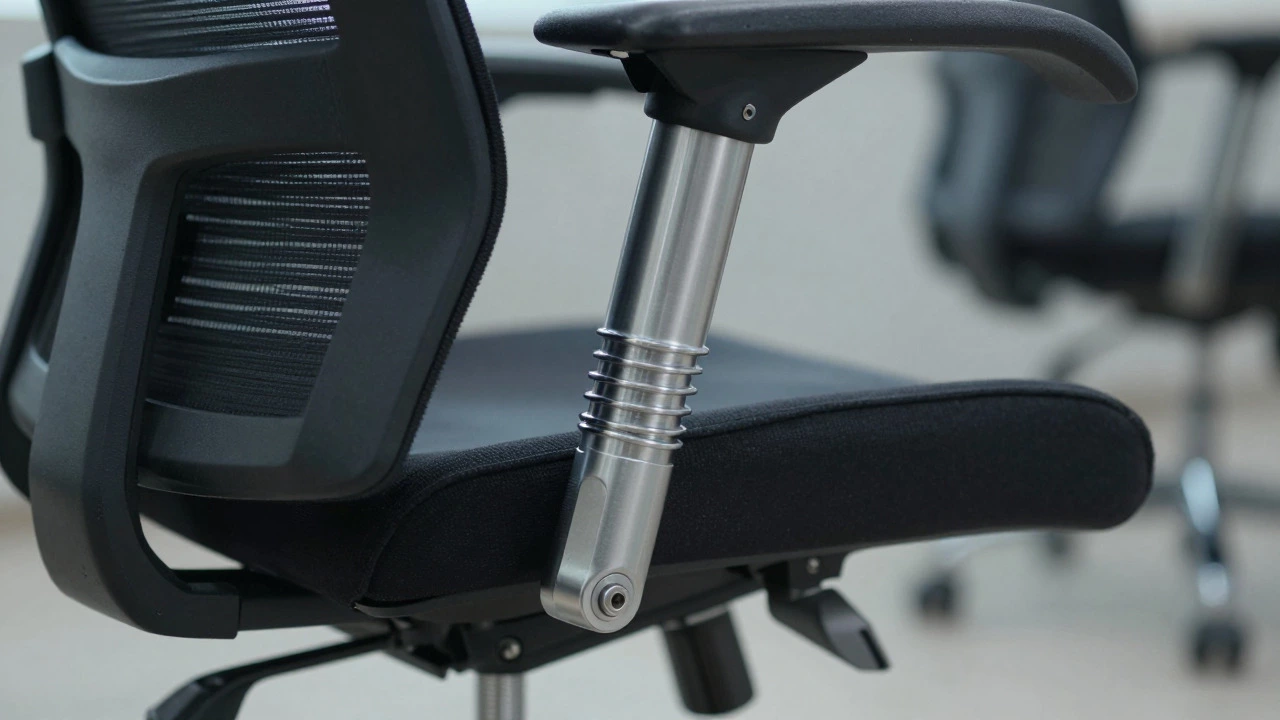
- Adjustability Mechanisms: A simple tilt lock is cheap. A dynamic recline mechanism that adjusts tension based on your weight is expensive. The more knobs and levers you have, the more complex (and costly) the engineering.
- Warranty Length: A 1-year warranty is standard for budget chairs. A 12-year warranty signals confidence in the build. That peace of mind has a monetary value.
Is It Worth Paying More for Ergonomics?
If you sit for 8+ hours a day, yes. Your spine, neck, and hips take a cumulative toll. A poorly supported chair forces you to hunch or slouch, leading to muscle fatigue and potential long-term injury. An ergonomic chair supports the natural S-curve of your spine, reducing strain on the lower back.
However, if you only work from home two days a week, a mid-range chair with basic lumbar support is likely sufficient. You don’t need a £900 chair if you’re not putting it through its paces daily. The key is matching the chair’s capability to your usage intensity.
| Feature | Budget (<£150) | Mid-Range (£200-£400) | Premium (£400+) |
|---|---|---|---|
| Average Lifespan | 1-3 Years | 5-10 Years | 10-15+ Years |
| Frame Material | Plastic/Steel Mix | Aluminum/Steel | High-Grade Aluminum |
| Lumbar Support | Static Padding | Adjustable Mechanism | Dynamic/Adaptive System |
| Warranty | 1 Year | 5-10 Years | 12+ Years |
| Best For | Occasional Use | Daily Professional Use | Long-Term Investment/Health Issues |
Common Mistakes When Buying an Office Chair
Even with a good budget, you can waste money if you ignore a few critical details. Here are the pitfalls I’ve seen trip up many buyers:
- Ignoring Weight Capacity: Many chairs list a maximum weight limit of 120kg. If you are near or above this limit, check the gas lift class and base stability. A wobbly chair feels unsafe and uncomfortable.
- Falling for "Executive" Marketing: The word "executive" often just means black leather and extra padding. It doesn’t guarantee better ergonomics. Focus on specs, not labels.
- Skip the Trial Period: Online retailers often have strict return policies. If possible, visit a showroom. Sitting in a chair for 10 minutes tells you more than any spec sheet. Your body shape is unique; what works for someone else may not work for you.
- Neglecting Armrests: Adjustable armrests are crucial for typing posture. Fixed armrests can force your shoulders up, causing neck tension. If you type a lot, prioritize 3D or 4D armrests.

How to Get the Best Value for Money
You don’t have to buy the most expensive chair to get great support. Here are practical tips to maximize your budget:
- Look for Last Season’s Models: Manufacturers release new colorways or minor updates every year. Previous versions often drop in price by 20-30% without losing functionality.
- Check Refurbished Options: Reputable brands sell certified refurbished chairs with full warranties. You can save 40-50% on premium models like the Herman Miller Aeron or Steelcase Leap.
- Focus on Core Features: Do you need headrests? Do you need footrests? If not, skip them. Every extra feature adds cost. Stick to essential adjustments: height, depth, lumbar, and armrests.
- Read Long-Term Reviews: Don’t just look at unboxing videos. Search for reviews from users who have owned the chair for 2+ years. This reveals issues with gas lift sinking, mesh tearing, or plastic cracking.
Final Thoughts on Setting Your Budget
So, how much should you spend? If you’re working from home full-time, aim for the mid-range tier (£200-£400). It offers the best balance of comfort, durability, and value. If you have specific health concerns or plan to keep the chair for over a decade, stretch to the premium tier. If you’re just covering a gap or using the chair lightly, a solid budget option will suffice.Remember, a chair is a tool. It should help you work, not distract you with discomfort. Take your time, test what you can, and don’t let marketing fluff dictate your decision. Your back will thank you.
What is the minimum price for a decent office chair?
For full-time use, £200 is generally considered the minimum for a decent chair. Below this, you risk poor durability and lack of essential ergonomic adjustments like proper lumbar support or adjustable armrests.
Are expensive office chairs worth the money?
They are worth it if you sit for 8+ hours daily or have existing back issues. Premium chairs offer superior materials, longer warranties (often 12+ years), and advanced ergonomic features that reduce physical strain over time. For casual use, the extra cost may not yield significant benefits.
How long should a good office chair last?
A mid-range chair should last 5-10 years. A premium chair can last 10-15 years or more. Budget chairs typically last 1-3 years before mechanisms fail or padding degrades significantly.
What features should I prioritize in a £300 office chair?
Prioritize adjustable lumbar support, a Class 3 or 4 gas lift, and multi-dimensional armrests. Ensure the frame is metal (aluminum or steel) rather than plastic. Breathable mesh backs are also highly recommended for comfort during long sessions.
Can I find a good ergonomic chair under £150?
Yes, but expect compromises. You’ll likely find basic lumbar padding rather than adjustable mechanisms, and fewer adjustment options. It’s suitable for part-time work or shorter sitting durations, but not ideal for all-day professional use.