Lift Chair Insurance Readiness Checker
Use this tool to see if you are prepared to apply for insurance coverage. Check all that apply to your current situation.
Quick Facts for Your Request
- A prescription is the first step, but a "Letter of Medical Necessity" (LMN) is what actually wins the argument with insurance.
- Medicare rarely covers lift chairs as a standard benefit, though some Medicare Advantage plans differ.
- Private insurance and Medicaid are more likely to approve them if you meet specific mobility criteria.
- The chair must be classified as Durable Medical Equipment (DME) to be eligible.
What Exactly is a Medical Lift Chair?
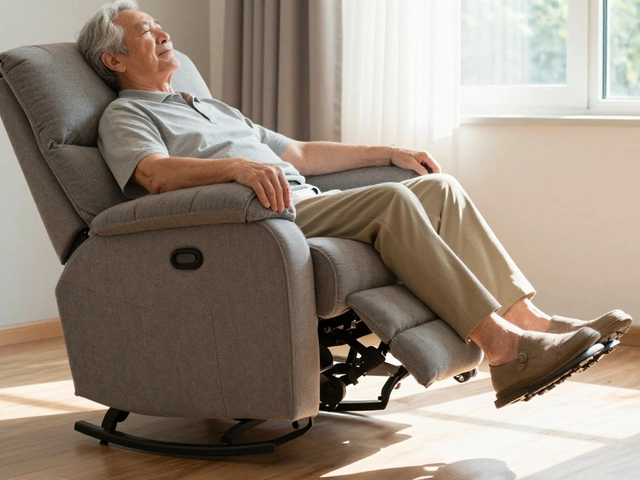
Before you head to the clinic, you need to understand what you're asking for. A lift chair is a specialized motorized recliner designed to tilt the base and back of the chair forward, gently lifting the user into a standing position. Unlike a standard recliner, which just leans back, this is a piece of assistive technology. In the medical world, it falls under the category of Durable Medical Equipment, or DME, which are devices intended for long-term use to help a person manage a chronic health condition.
Why does this distinction matter? Because if your doctor just writes "get a nice chair," the insurance company will see it as a luxury furniture purchase. To get coverage, the chair has to be viewed as a medical tool-similar to a wheelchair or a walker-that prevents falls or allows you to perform activities of daily living (ADLs) safely.
How the Prescription Process Works
You can't just walk into a furniture store, buy a chair, and then ask your doctor to sign a piece of paper after the fact. Insurance companies almost always require the process to happen in a specific order. First, you have a consultation. Your doctor needs to document that you have a functional limitation. This could be due to Osteoarthritis in the knees, recovery from a hip replacement, or a neurological condition like Parkinson's that affects balance.
Once the doctor confirms the need, they provide a prescription. However, a simple prescription pad note often isn't enough. You'll likely need a Letter of Medical Necessity. This is a detailed document where the physician explains exactly why a standard chair is dangerous for you and why a lift chair is the only safe solution. They might mention things like "patient is unable to rise from a seated position without significant assistance" or "high risk of falls during transfers."
Will Insurance Actually Pay for It?
This is the part where most people hit a wall. Whether you're using private insurance, Medicaid, or Medicare, the rules vary wildly. Let's look at the big players.
| Insurance Type | Coverage Likelihood | Main Requirement | Key Hurdle |
|---|---|---|---|
| Medicare (Traditional) | Low | Severe mobility impairment | Usually viewed as "convenience" item |
| Medicare Advantage | Moderate | Plan-specific DME benefit | Varies by provider network |
| Medicaid | Moderate to High | State-specific guidelines | Requires strict medical documentation |
| Private Insurance | Moderate | Prescription + LMN | Often requires "prior authorization" |
If you're on traditional Medicare, be prepared for a "no." Medicare's guidelines are notoriously strict. They often argue that a lift chair doesn't "improve' functional ability" in the way a prosthetic limb does. However, many people find success through their secondary insurance or a specific Medicare Advantage plan. If you have private insurance, the key is "Prior Authorization." This means the insurance company approves the purchase *before* you buy it, so you aren't left holding a huge bill.

The Role of the DME Provider
You might think you can just go to a big-box furniture store, but if you want insurance to pay, you usually have to buy through a DME Provider. These are medical supply companies that have contracts with insurance carriers. They know exactly how to code the equipment so the insurance company recognizes it. If you buy a chair from a retail store, even with a doctor's note, the insurance company may reject the claim because the vendor isn't a certified medical supplier.
When working with a DME provider, they will take your doctor's prescription and handle the paperwork. They'll submit the claim and the Letter of Medical Necessity to the insurance company on your behalf. This saves you from spending hours on hold with a customer service representative trying to explain why you can't get out of your seat.
Common Pitfalls and How to Avoid Them
One of the biggest mistakes people make is focusing on the "comfort" of the chair. When your doctor is writing the prescription, comfort is irrelevant. If the doctor writes that the patient wants a "comfortable chair for the living room," the insurance company will deny it immediately. You need to use functional language. Instead of "comfortable," use "essential for safe transfers." Instead of "easier to get up," use "prevents fall-related injuries during sit-to-stand transitions."
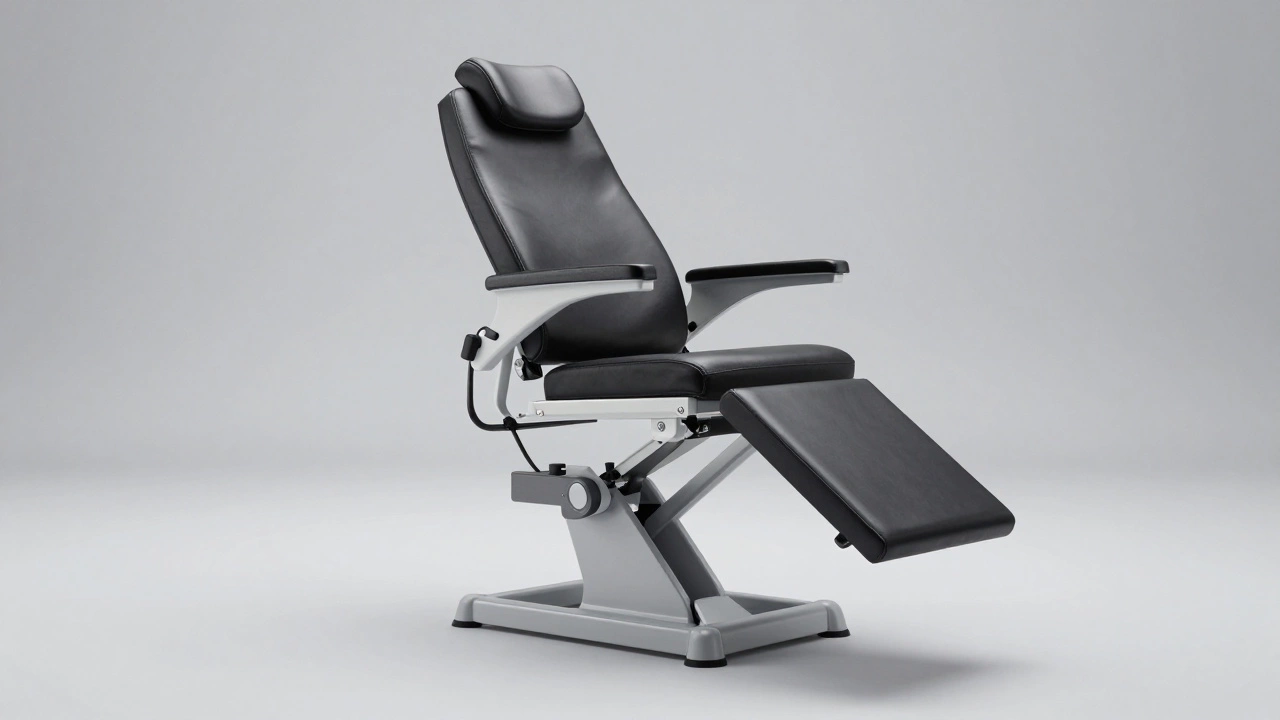
Another trap is the "furniture vs. equipment" debate. Some insurance companies will argue that because the chair looks like a piece of furniture, it isn't medical equipment. To counter this, your doctor should emphasize the motorized lift mechanism as the primary medical feature, not the upholstery or the style. The chair is a tool for mobility, not a piece of home decor.
Alternatives if Insurance Says No
What happens if the insurance company denies the claim? You still have options. First, check if you have a HSA (Health Savings Account) or FSA (Flexible Spending Account). Since a doctor's prescription makes the chair a medical expense, you can often use pre-tax dollars from these accounts to buy the chair. This can save you 20% to 30% depending on your tax bracket.
If you don't have an HSA, look into non-profit organizations or local grants for seniors and people with disabilities. Some community-based organizations provide grants for home modifications and assistive devices. Additionally, some manufacturers offer financing plans that are more affordable than a standard credit card, specifically for medical-grade recliners.
Can I just use a standard doctor's note for a lift chair?
A standard note might work for some smaller insurance plans, but most require a full prescription and a Letter of Medical Necessity (LMN). The LMN must detail your specific physical limitations and explain why a standard chair is unsafe for you.
Does Medicare cover lift chairs?
Traditional Medicare generally does not cover lift chairs because they are often classified as "convenience items." However, some Medicare Advantage plans may offer coverage depending on the specific policy and the severity of the patient's condition.
Do I have to buy the chair from a medical supply store?
If you want insurance to pay for it, yes. Most insurers only reimburse purchases made through certified Durable Medical Equipment (DME) providers who can provide the necessary medical billing codes.
What conditions justify a prescription for a lift chair?
Conditions that typically justify a prescription include severe arthritis, recovery from major joint surgery (hip or knee), multiple sclerosis, Parkinson's disease, and general muscle atrophy that makes standing from a seated position dangerous or impossible without help.
Can I use my FSA or HSA to buy a lift chair?
Yes, as long as you have a prescription or a Letter of Medical Necessity from your doctor. This proves the chair is for medical treatment and not just for home furnishing, allowing you to use your pre-tax health funds.
Next Steps for Getting Your Chair
If you're ready to move forward, start by scheduling a visit with your primary care physician. Be very clear about your struggles with standing and the fear of falling. Don't just say you'd "like" a lift chair; explain how your current seating is hindering your daily life. Ask them specifically if they are willing to write a Letter of Medical Necessity.
Once you have the medical backing, contact your insurance provider to ask for a list of approved DME providers in your area. This prevents you from wasting time with suppliers who aren't in your network. If you are denied, don't give up immediately. Ask for the specific reason for the denial and see if your doctor can amend the Letter of Medical Necessity to address those specific concerns. Often, a second, more detailed letter is all it takes to turn a "no" into a "yes."