Wood Thickness: What You Need to Know for Perfect Furniture
When you order a bespoke table, a new bookshelf or a sturdy bench, the first thing most people forget is wood thickness. It sounds simple, but the right thickness can mean the difference between a piece that lasts for decades and one that sags after a few months.
In this guide we’ll break down the basics, walk through the most common thicknesses, and give you a quick checklist to decide what works best for your project. No jargon, just practical info you can use right away.
Common Wood Thicknesses for Different Furniture Pieces
Most carpenters keep a handy chart of standard dimensions. Below are the go‑to thicknesses you’ll see in the UK market:
- 12‑15 mm – Ideal for decorative paneling, cabinet backs and small drawer faces. It’s light, easy to bend, but not meant for load‑bearing parts.
- 18‑20 mm – The sweet spot for most drawer fronts, side panels on wardrobes and light‑to‑medium tables. Strong enough for everyday use without adding too much weight.
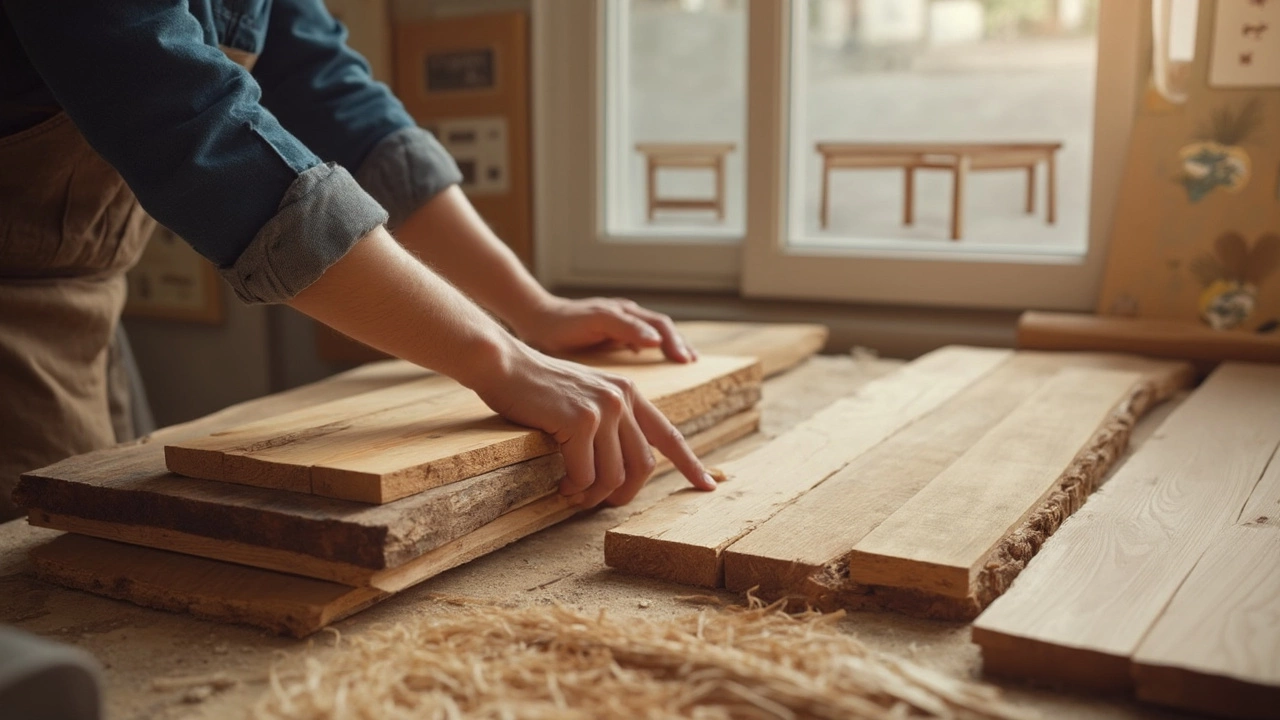
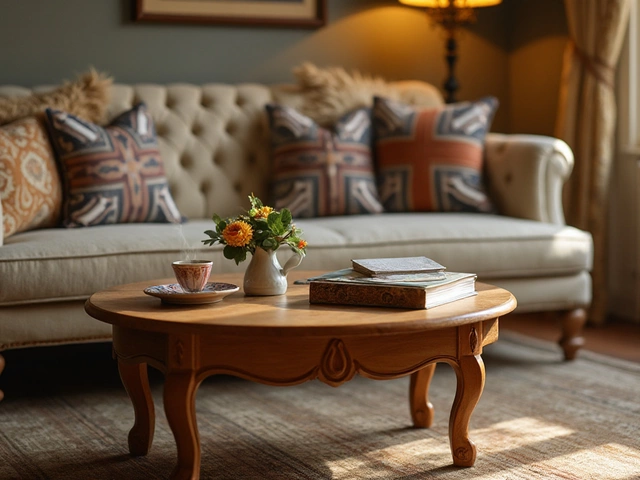
- 25‑30 mm – Common for tabletop slabs, sturdy shelving units and bed frames. This thickness gives solid support and a premium feel.
- 35‑45 mm – Used for heavy duty work like kitchen islands, large conference tables or outdoor benches. It resists bowing and handles heavy loads.
- 50 mm + – Rare in residential furniture but popular for structural beams, industrial worktops and custom sculptural pieces.
These numbers are not set in stone. Different wood species have varying strengths, so a 20 mm pine may behave more like a 15 mm hardwood. Always factor the wood type into your decision.
How to Choose the Right Thickness for Your Project
Here’s a quick, step‑by‑step way to pick the perfect thickness:
- Identify the load. Will the piece support books, dishes, or just decorative items? Heavy loads need thicker, stronger boards.
- Consider span. The longer a shelf or tabletop, the thicker it should be to avoid sagging. A 1‑metre span can usually get away with 25 mm, but a 2‑metre span often needs at least 35 mm.
- Check the wood species. Oak and beech are naturally strong, so you can sometimes use a slightly thinner board. Softwoods like pine need a bit more thickness for the same strength.
- Think about finish. Thicker wood takes sanding and coating easier, giving a smoother final look. Thin panels can show grain imperfections more clearly.
- Balance cost and weight. Thicker boards cost more and add weight, which matters for moving furniture or fitting into tight spaces.
Once you’ve run through these points, sketch a quick diagram with the dimensions and double‑check against the checklist. If anything feels off, ask your craftsman for a sample cut.
One mistake we see often is using the same thickness for every component just to simplify ordering. That can lead to weak joints or a top that feels too heavy for the rest of the piece. Tailor each part to its role – a thin back panel, a sturdy seat, and a medium‑thick side frame create a balanced, long‑lasting item.
Another tip: when ordering custom furniture, ask for the grain orientation. Boards cut “quarter‑sawn” are more stable and less likely to warp, especially in thinner sections.
Finally, remember that wood reacts to humidity. If you live in a damp climate, consider a slightly thicker board for outdoor or garage storage pieces. It gives the wood a buffer against swelling.
By keeping these guidelines in mind, you’ll make informed decisions that save money, avoid headaches, and result in furniture that looks great for years. Need help choosing the right thickness for a specific design? Our team at Crafted Furniture Solutions is happy to chat and provide a quick quote based on your exact needs.