Vintage Closet Ideas: Turn Your Space Into a Retro Dream
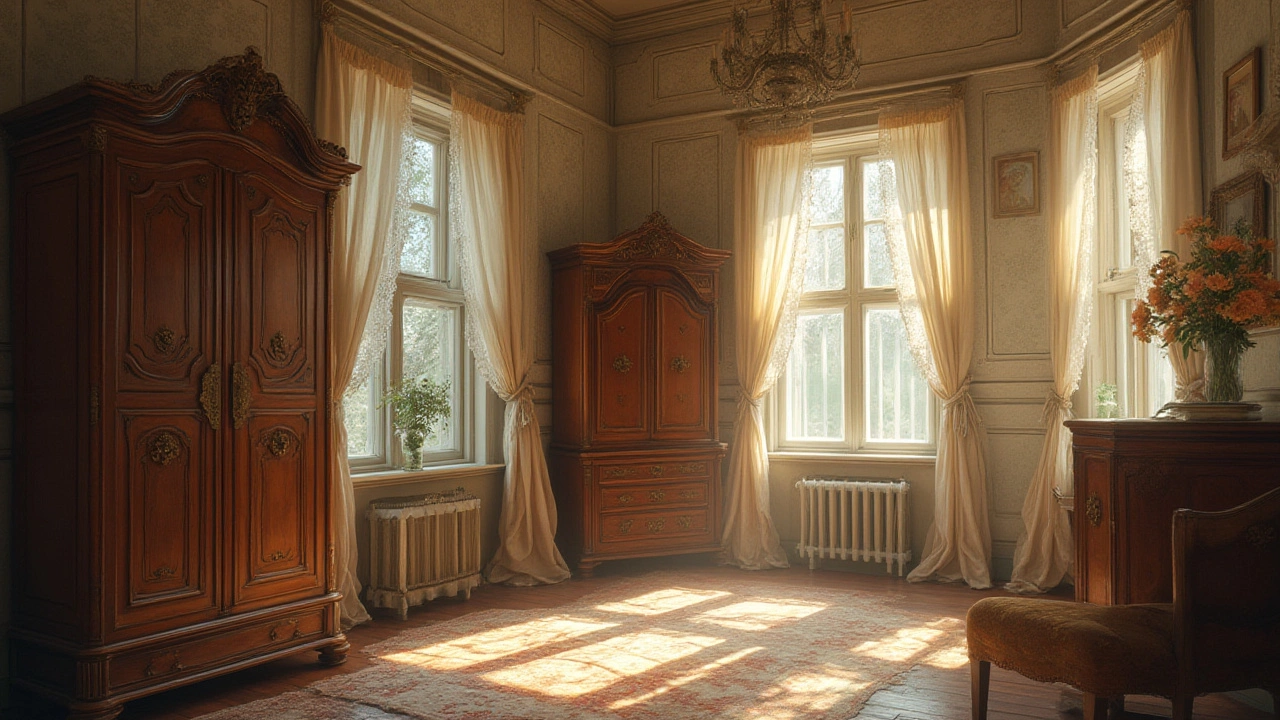
Thinking about a closet that feels like a piece of history? A vintage closet can add character, hide clutter, and make everyday routines feel special. You don’t need a museum to get the look – just a few smart choices and a bit of DIY spirit.
Why Go Vintage?
First off, vintage pieces have a story. A reclaimed wardrobe or an old armoire brings texture that new furniture can’t match. It also shows you care about sustainability – reusing old wood means less waste. Plus, the charm of aged metal knobs, distressed paint, and natural patina makes a room feel warm and lived‑in.
Practical Tips for Building Your Vintage Closet
Start with a solid framework. Look for a sturdy wooden cabinet at a thrift shop, estate sale, or online marketplace. Check the joints for stability; if they creak, a quick screw‑in with wood glue can fix it. Once the base is sound, sand any rough spots and apply a light coat of chalk paint for a matte finish.
Next, think about storage needs. Add simple hanging rods made from reclaimed pipe or brass brackets. Use wicker baskets for folded clothes – they keep the look cohesive and add breathability. If you have deeper shelves, cut a piece of plywood to create a second level for shoes or accessories.
Lighting can make all the difference. Clip‑on LED lights under each shelf give you clear visibility without breaking the vintage vibe. Choose a warm colour temperature (around 2700K) to keep the ambience cozy.
Don’t forget the details. Replace any busted handles with vintage‑style brass pulls or enamel knobs. A small, antique mirror on the door adds depth and makes the closet feel larger. If you have space, hang a few framed botanical prints to reinforce the old‑world feel.
Pay attention to the floor. A woven rug or a reclaimed wooden pallet under the closet protects the floor and adds another layer of texture. It’s also a great spot for a small decorative box to keep spare buttons or thread.
When it comes to colour, muted tones work best. Soft greens, dusty blues, or warm greys complement the natural wood tones without overwhelming the space. You can also let the wood’s natural colour shine through by using a clear sealant instead of paint.
Finally, keep the closet organized. Use labeled cloth bins for seasonal items, and place a hanging shoe organizer on the back of the door for quick access. A tidy closet not only looks better but also protects your vintage pieces from wear.
With these steps, you can turn a simple old cabinet into a functional, eye‑catching vintage closet that feels both timeless and practical. Enjoy the process and watch your space transform into a retro haven.