US Home Terminology – Your Guide to American House Terms
When working with US home terminology, the collection of words used in American residential settings. Also known as American house terms, it helps you understand room names, building parts, and design jargon. Home improvement vocabulary, phrases you hear on renovation projects and Furniture terminology, specific names for sofas, chairs, tables and storage pieces are tightly linked, while Interior design terms, words that describe style, layout and colour concepts round out the language you need when talking about a home.
Mastering US home terminology saves you time, money and frustration. It lets you read a floor plan without guessing, and it makes conversations with contractors clear. In fact, US home terminology encompasses room names, structural components, and décor items – a simple triple that shows how the set of words connects the whole house. When you know the exact term for a “bay window” or a “wainscoting panel,” you can spot issues early and avoid costly miscommunications.
Why Knowing the Lingo Matters
The first chunk of the language deals with rooms and spaces. Words like “den,” “great room,” and “mudroom” each describe a distinct function and size. Structural terms such as “stud,” “joist,” and “sill plate” tell you what holds the house together. Finally, décor words like “mantel,” “nook,” and “crown molding” add style details. By separating these three categories, you can ask the right questions: Is the wall stud‑spaced for new shelving? Does the great room need extra lighting? The clearer you are, the easier it is to get exactly what you want.
Next up is the vocabulary that shows up on renovation sites, hardware stores and contractor estimates. Phrases like “load‑bearing wall,” “R‑value,” and “perm rating” signal building‑code requirements. Knowing these terms means you can read a quote and spot hidden charges or unnecessary upgrades. The triple here is simple: Home improvement vocabulary requires knowledge of building codes, material specs, and safety standards, all of which tie back to the core set of US home terms you already know.
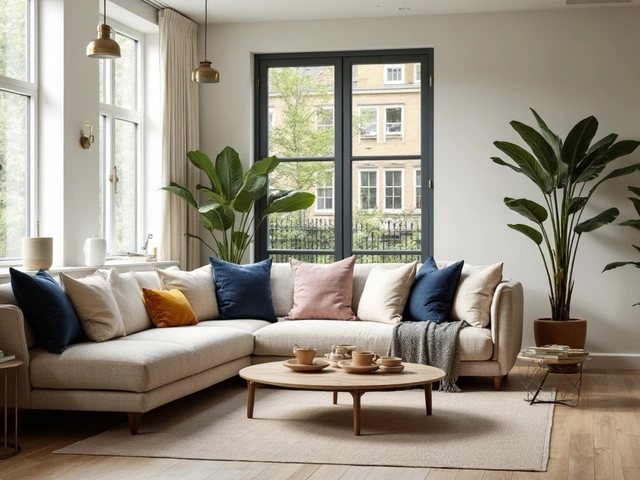
Furniture terminology is another piece of the puzzle, especially when you shop online or custom‑order a piece. Distinctions between a “sectional,” a “loveseat,” and a “sofa bed” affect both comfort and room layout. Material words like “tufted,” “laminated,” or “solid‑oak” tell you about durability and maintenance. Because buying furniture is a big expense, using the right words helps you compare options and avoid surprises. In short, understanding furniture terminology influences buying decisions, space planning, and long‑term satisfaction.
Finally, interior design terms let you communicate style ideas without endless explanations. Words such as “mid‑century modern,” “industrial chic,” or “coastal palette” instantly paint a picture of colour schemes, textures, and overall mood. When you tell a designer you love a “minimalist aesthetic” you avoid weeks of trial and error. This set of terms works hand‑in‑hand with the earlier vocabularies, creating a full language loop that covers structure, finish, and feel.
All these word groups—room names, building jargon, furniture names, and design labels—form a comprehensive toolkit for anyone dealing with a house in the United States. Below you’ll find a curated collection of articles that dive deeper into each of these areas, offering practical tips, DIY tricks, and expert advice to help you use US home terminology with confidence.