TV Placement Safety: How to Choose the Right Spot for Your Screen
When working with TV placement safety, the practice of positioning a television to avoid glare, heat, and moisture while keeping the room comfortable. Also known as safe TV setup, it protects both the equipment and your eyes, reduces energy waste, and helps the room feel more inviting.
Key Factors for Safe TV Placement
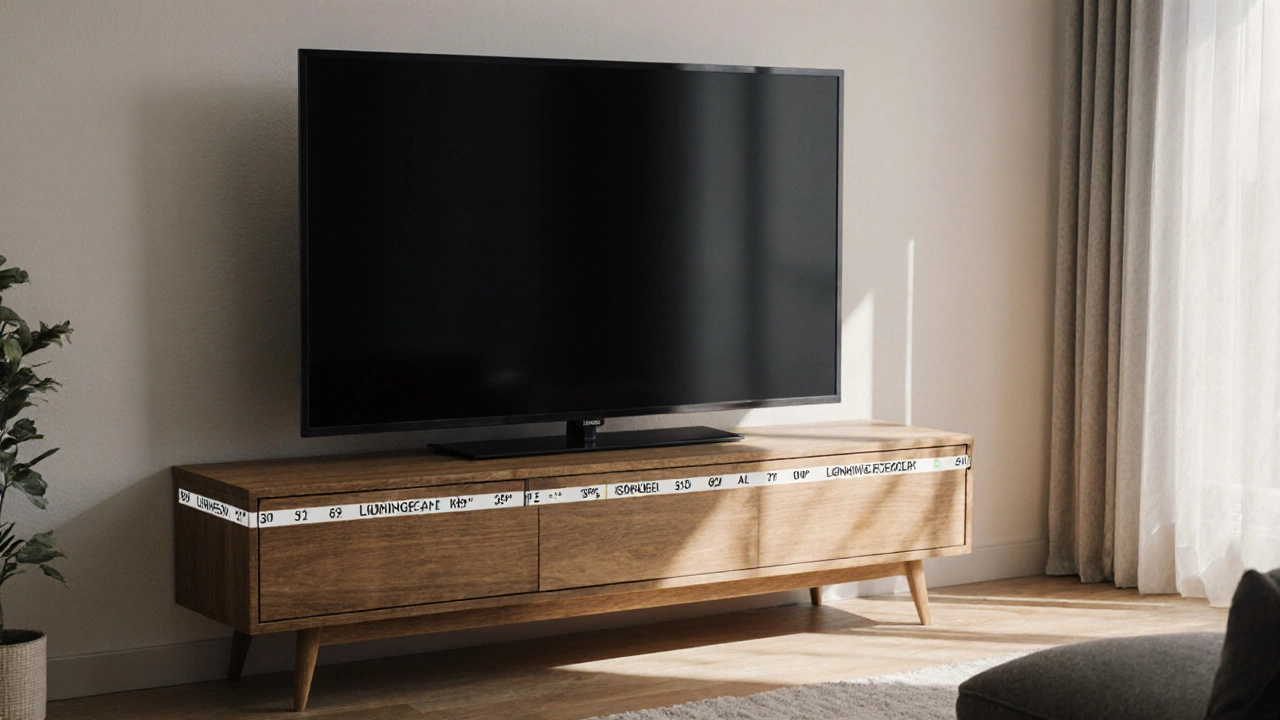
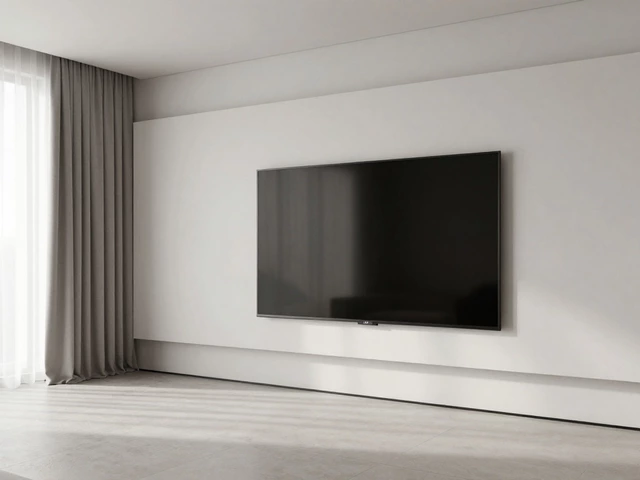
One of the biggest influences on TV placement safety is the choice of mounting method. A TV wall mount, a bracket that secures the screen directly to a wall studs keeps the TV away from direct sunlight and keeps heat from nearby furniture. It also frees up floor space, which reduces the chance of accidental bumps. When you pick a mount, check the VESA pattern, weight limit, and tilt feature – those details make sure the screen stays level and easy to view from different seats. Another common mistake is placing the TV on a stand that sits too close to a window or a radiator. A TV stand, a piece of furniture designed to hold a television at eye level should be positioned where it won’t get direct sunlight or excessive heat. Look for stands with cable management, sturdy legs, and a surface that can bear the TV’s weight. If the stand is near a wall with high humidity (like a bathroom or kitchen), consider a moisture‑resistant finish or move the TV to a drier zone. Glare is the hidden enemy of comfortable watching. Bright windows, reflective walls, and shiny floors can bounce light onto the screen, causing eye strain and washed‑out colors. To combat glare, angle the TV slightly away from windows, use curtains or blinds, and choose wall colors with low reflectivity. Adding a matte screen protector can also cut down on reflections without hurting picture quality. Heat and moisture are harder to see but can damage a TV over time. An appliance that generates heat, such as a fireplace or space heater, should stay at least three feet away from the screen. Likewise, keep the TV out of damp areas like basements or laundry rooms unless you’ve installed a dehumidifier. Monitoring room temperature and humidity with a simple digital sensor can alert you before conditions become harmful. Finally, think about the viewing distance and height. The ideal distance is roughly 1.5 to 2.5 times the screen’s diagonal size. Mount the TV so the center of the screen sits about eye level when you’re seated. This reduces neck strain and gives a more immersive experience. By keeping these factors in mind, you’ll create a setup that’s safe, comfortable, and looks great. Below you’ll find articles that dive deeper into each of these points, from detailed wall‑mount guides to tricks for minimizing glare, so you can fine‑tune your space with confidence.