Table Placement Tips for a Balanced, Stylish Home
Got a new table and wonder where it belongs? You’re not alone. A well‑placed table can make a room feel bigger, cozier, and more functional. Below are easy, down‑to‑earth rules that work for coffee tables, side tables, and dining tables alike. No design degree needed – just a few minutes and a willingness to move furniture.
Coffee Table Placement Basics
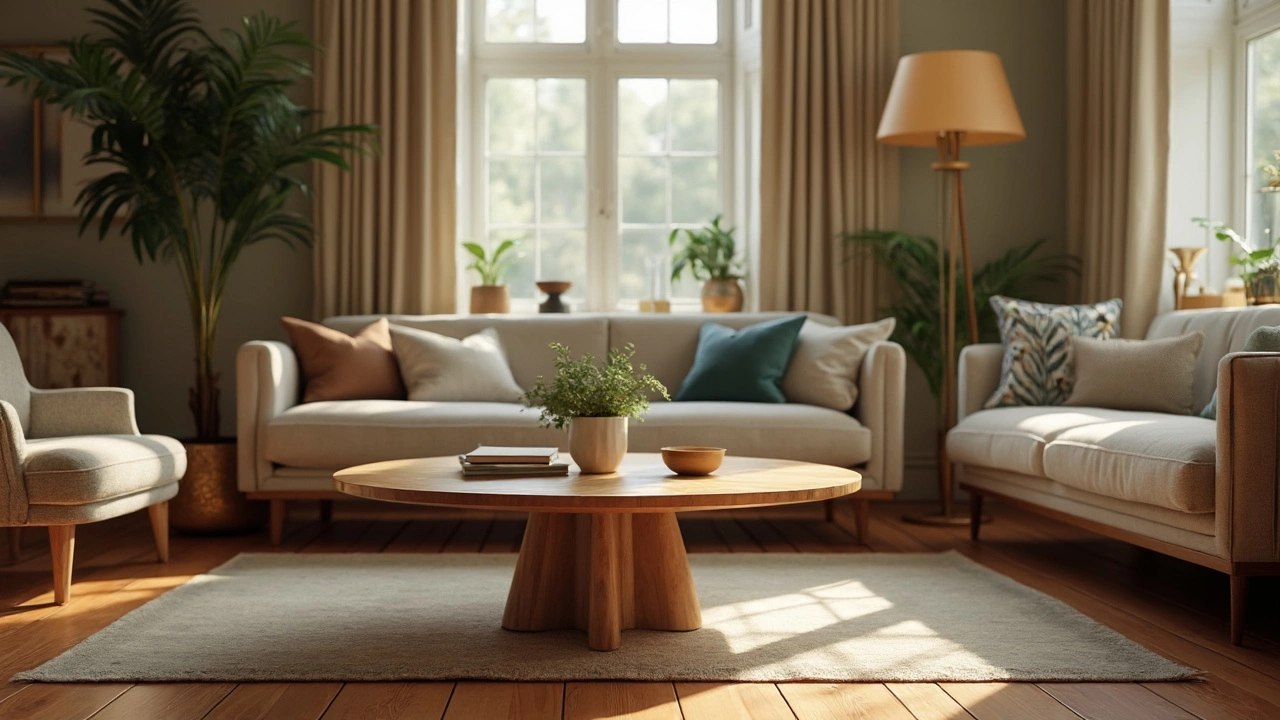
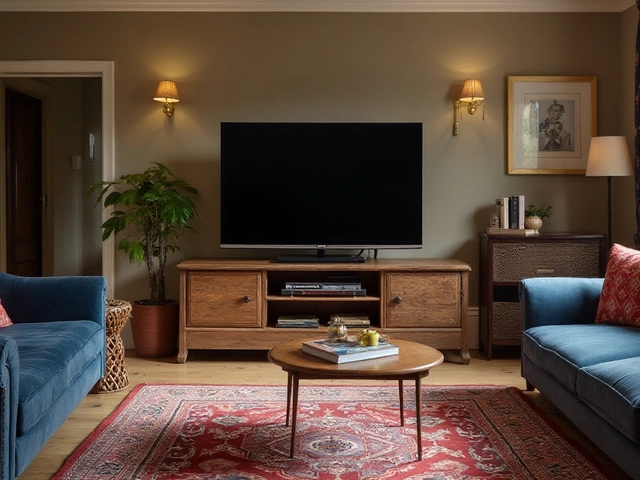
The coffee table is the anchor of most living rooms. First, measure the distance from the sofa to the wall – aim for 16‑18 inches of breathing room. This lets you pull the sofa out without hitting the table and keeps foot traffic smooth. Next, line the table’s front edge with the sofa’s arm height or a little lower; you’ll reach for drinks without stretching. If you have a rug, let the coffee table sit on top, but keep the rug extending at least 12 inches beyond the table for a cohesive look.
Don’t forget traffic flow. Imagine a line from the TV or fireplace to the main doorway. Your coffee table should stay out of that line, otherwise you’ll be constantly stepping over it. If your room is narrow, a smaller, round table reduces corners and lets people move around more easily.
Dining Table Layout Secrets
Dining is where family and friends gather, so the table’s placement matters for comfort and conversation. A good rule of thumb is to leave 36‑48 inches of clearance around the table. This gives each person enough elbow room and makes it easy to pull chairs in and out. If your kitchen doubles as a dining space, consider a bench on one side – it saves room and adds a casual vibe.
When you have a rectangular table, align it with the longest wall of the room. This creates a natural flow and reduces the feeling of a cramped space. If the room is square, a round table can break up the symmetry and encourage a more relaxed atmosphere. Add a simple centerpiece that’s low enough not to block eye contact – a small vase or a few candles work great.
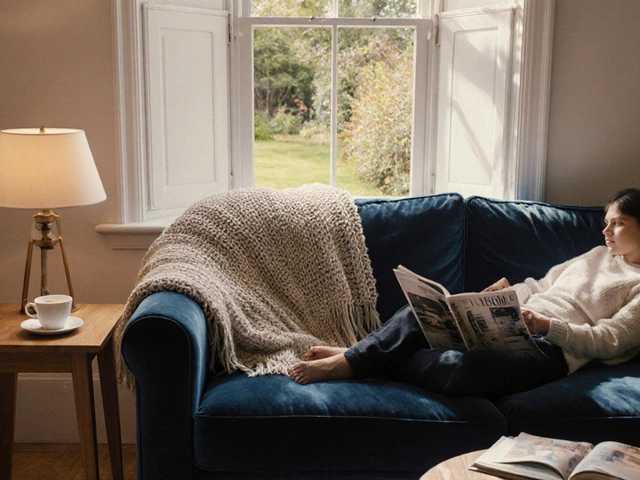
Side tables and accent tables follow the same logic: keep them within arm’s reach of the primary seating, but not so close they block movement. A side table beside a sofa works best when it’s the same height or slightly lower than the arm. Use it for lamps, books, or a cup of tea – nothing that forces you to stretch across the room.
Finally, test your layout. Walk around, sit, and imagine daily life. If something feels off, shift it a few inches and re‑test. Small tweaks often make a big difference. With these straightforward tips, you’ll turn any room into a well‑organized, inviting space without hiring a designer.