Storage Safety Tips: Keep Your Furniture Safe and Sound
Got a piece of furniture you love but need to stash it away? Bad storage can turn that treasure into a disaster. Below are real‑world tips you can use right now to stop warping, mold, mice and other headaches.
Guard Against Climate Risks
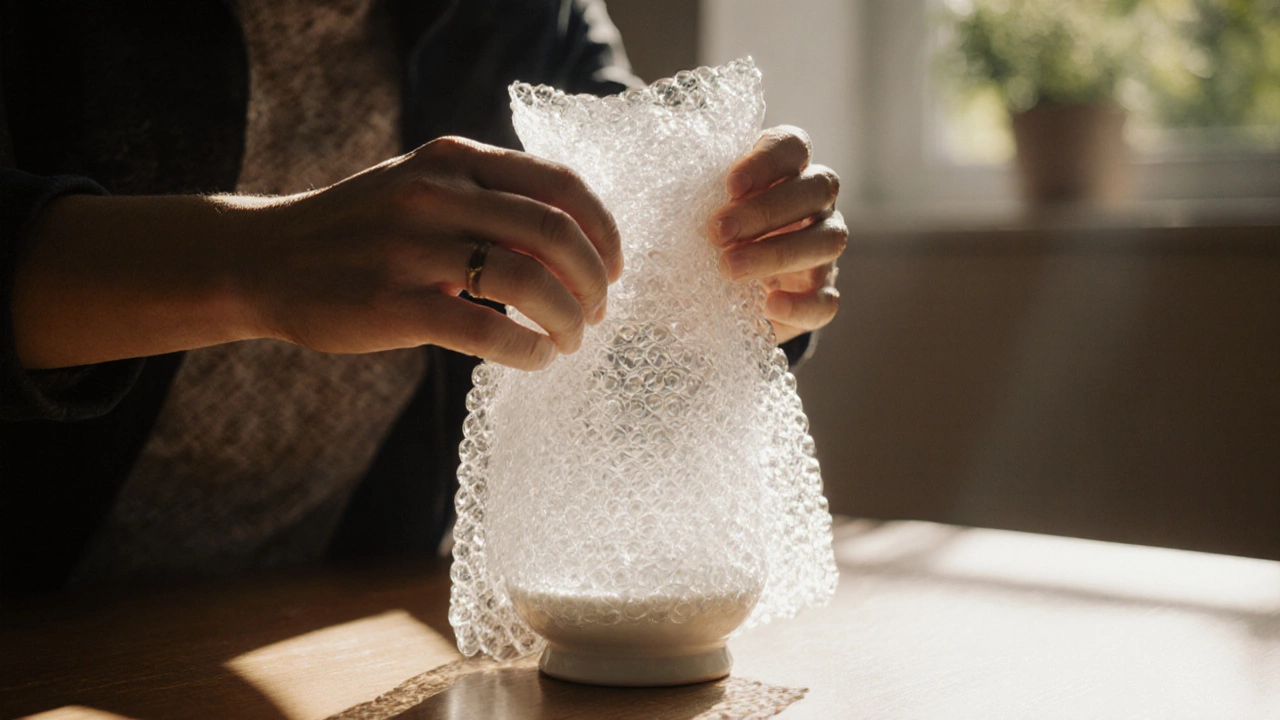
Temperature swings and humidity are the biggest enemies of wood and upholstery. If you’re putting a table or a sofa in an unheated garage, add a simple barrier: wrap it in breathable cloth and then a plastic sheet with air holes. The cloth stops direct moisture, while the holes let any trapped dampness escape.
For storage units, aim for climate‑controlled facilities. They keep temperature between 68‑74°F (20‑23°C) and humidity around 45‑55%. If that isn’t an option, use a portable dehumidifier or silica gel packs inside the furniture’s boxes. Swap the packs every few weeks if you store items for months.
Wood loves stable conditions. Before you stack a wardrobe, place a thin piece of cardboard between each layer. That stops the weight from pressing unevenly, which can cause warping over time.
Beat Pests and Moisture
Mice love dark, cramped corners and soft fabrics. A quick way to make a storage space mouse‑unfriendly is to sprinkle peppermint oil or dried lavender on cotton balls and leave them in corners. The scent doesn’t harm the furniture but drives rodents away.
Moisture invites mold, especially on sofas and cushions. Give each cushion a quick vacuum, then sprinkle baking soda and let it sit an hour before brushing it off. The soda absorbs dampness and bad smells.
If you have a closet that’s rarely used, keep the doors slightly ajar with a small wedge. Air circulation stops stale air from building up, which reduces the chance of mildew growing on fabrics.
Finally, never stack heavy items directly on delicate pieces. A coffee table should never bear the weight of stacked boxes; use a sturdy shelf or a pallet as a buffer.
Storing furniture doesn’t have to be a gamble. By controlling temperature, managing humidity, and keeping pests at bay, you’ll bring your belongings out of storage looking as fresh as the day you bought them. Put these tips into practice and say goodbye to warped legs, moldy cushions, and unwanted critters.