Sofa Materials: What Works, What Wears, and What Really Matters
When you sit on a sofa, a piece of furniture designed for seating multiple people, often with cushions and a frame made of wood or metal. Also known as a settee, it’s one of the most used items in your home—so the sofa materials it’s made from make all the difference. A cheap fabric might look nice at first, but after six months of daily use, it pills, fades, or tears. A real leather sofa, on the other hand, ages gracefully—if it’s full-grain and not just bonded scraps glued together. You’re not just buying a seat. You’re buying how long it lasts, how it feels, and how it handles spills, pets, and kids.
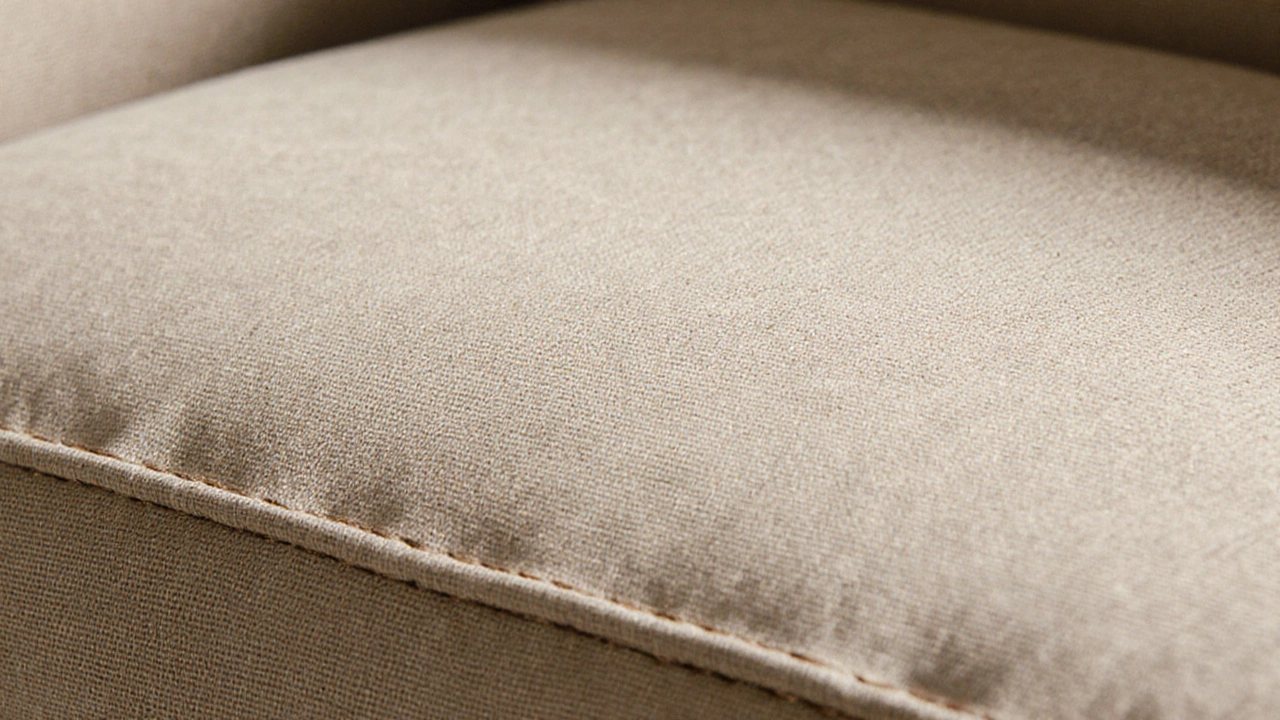
Not all upholstery fabrics, the material stretched over a sofa’s frame to create the visible surface. Common types include cotton, linen, microfiber, and performance blends are created equal. Cotton is breathable and soft, but it fades fast in sunlight and stains easily. Linen looks chic and natural, but it wrinkles and shows dirt. Microfiber? It’s the quiet hero—resists stains, holds up to pets, and doesn’t pill like cheap polyester. Then there’s leather, animal hide treated for durability and comfort, used in high-end and budget sofas alike. But here’s the catch: not all leather is real. Some are just plastic-coated paper with a printed grain. Real leather smells like leather. It warms up with your body. It gets better with time. And if it’s full-grain, it’ll outlive three cheap fabric sofas. And don’t forget the cushion fill, the inner layer that gives your sofa its shape and comfort, often made of foam, down, or a mix of both. High-density foam lasts longer than low-density. Down feels luxurious but needs fluffing. The best sofas use a foam-core with a down wrap—firm support with softness on top. Skip the ones with thin, springy foam. They collapse in a year.
What you choose depends on your life. Got a dog that sheds? Go for performance fabric or leather. Kids spill juice? Look for stain-resistant weaves. You love the look of linen but hate ironing? Try a blend with polyester. The truth is, most people buy sofas based on color or style—then regret it when the fabric starts to look worn. The best choices aren’t the flashiest. They’re the ones that match how you actually live. The posts below show real examples: what materials hold up in homes, what tricks pros use to clean them, and which ones are just marketing hype. You’ll see which fabrics survive five years of Netflix marathons, which leathers crack in dry climates, and how cushion fill affects your back after hours of sitting. No fluff. Just what works—and what doesn’t.