Sinking into Grass: How to Choose and Care for Outdoor Furniture
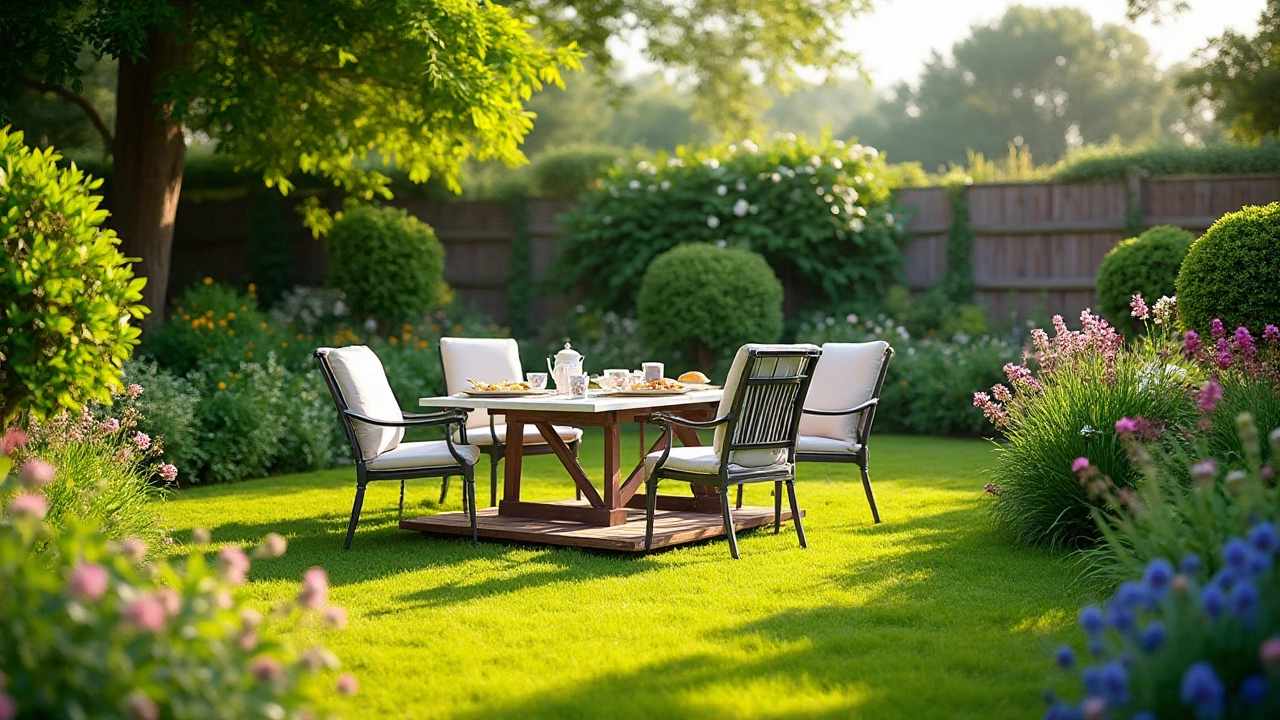
Picture this: you’re lounging on a cozy sofa, the grass swaying under you, and the sun is just right. It sounds perfect, but a lot of us skip the basics and end up with warped wood or moldy cushions. Below you’ll find straight‑forward tips that keep your outdoor pieces looking great and lasting longer.
Pick the Right Materials
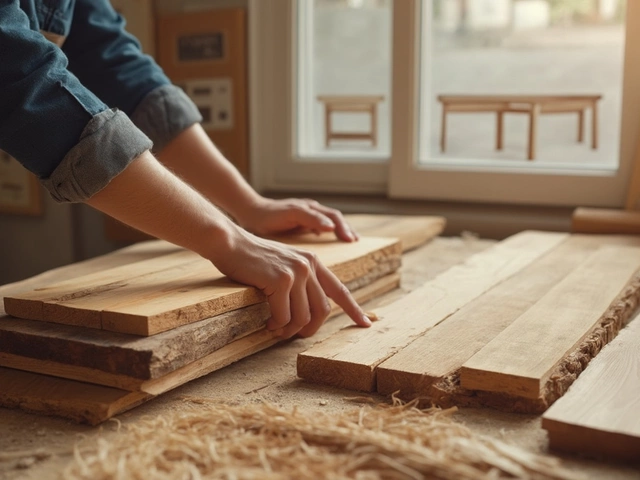
The first step is choosing fabrics and frames that love the outdoors. Look for weatherproof materials like synthetic rattan, powder‑coated aluminum, or teak that’s been properly sealed. These options won’t swell, rust, or fade after a few rainy weeks. If you love the warmth of wood, go for dense hardwoods such as teak or ipe – they naturally resist moisture and insects.
Soft cushions are fine too, as long as the fabric is UV‑protected and water‑repellent. Sun‑bleached colors can make a space feel dull, so pick fade‑resistant shades that stay vibrant season after season.
Keep Your Furniture Fresh Outdoors
Even the toughest pieces need a bit of TLC. A quick rinse with a garden hose removes dust and pollen that can attract mold. For stubborn stains, use a mild soap solution – harsh chemicals can damage finishes.
When the weather turns damp, cover your furniture with breathable covers. They keep rain out but still let air circulate, preventing the kind of mildew that turns a comfy sofa into a smelly mess. If you store pieces in a garage, remember that cold and humidity can warp wood, just like we warned in our "Storing Wood Furniture in an Unheated Garage" post.
Seasonal storage is another smart move. If you’re not using a patio set during winter, move it to a dry, temperature‑controlled space. This avoids the wood warping and fabric fading that happen in harsh climates.
Regular maintenance adds years to any set. Tighten loose bolts, re‑apply teak oil every six months, and check for any rust spots on metal frames. Small fixes now save you from costly replacements later.
Design-wise, think about layout. A coffee table doesn’t always have to sit dead‑center – experiment with off‑center placement to create flow around the grass. Our "Does a Coffee Table Have to Be in the Middle?" guide shows how a little shift can open up space.
Finally, be aware of how pests like mice interact with storage furniture. Using sealed containers or pest‑resistant furniture reduces the chance of unwanted guests, as we explored in "What Do Mice Hate the Most?".
Putting these simple steps together means you can truly relax on the grass without worrying about your furniture falling apart. Choose the right materials, protect them from the elements, and give them a quick clean now and then – that’s all it takes for a patio that looks fresh year after year.