Room Layout Made Simple: Place Your Furniture Like a Pro
Ever walked into a room and felt something was off? Chances are the furniture isn’t where it should be. A good room layout isn’t about fancy design; it’s about making the space work for you. Below you’ll get straight‑forward ideas you can apply today, whether you’re arranging a living room, bedroom or home office.
Why Good Layout Matters
First off, a well‑planned layout improves traffic flow. When you can move from the door to the couch or TV without stepping over a coffee table, the room feels bigger and safer. Second, it lets each piece shine. A sofa placed too close to a wall looks cramped, while a TV stand at eye level makes movie night more enjoyable. Finally, proper placement helps you keep the room tidy. When storage furniture sits in a logical spot, you’ll be less tempted to stash things on the floor.
Easy Steps to Arrange Your Room
1. Start with a focal point. In most living rooms the TV or fireplace is the star. Measure its height and place it where it can be seen comfortably from the main seating area. If you prefer a window view, let that be the anchor and arrange seats around it.
2. Map out traffic lanes. Leave at least 30‑cm pathways between furniture pieces. This gives you room to walk and keeps kids from bumping into corners. Mark the routes with tape on the floor if you’re unsure where the gaps should be.
3. Choose the right sofa spot. Avoid placing a sofa directly opposite a door; it can block the flow and make the space feel cramped. Instead, angle it slightly or push it back a few inches from the wall. If you have a small room, a sectional that wraps around a corner can free up floor space.
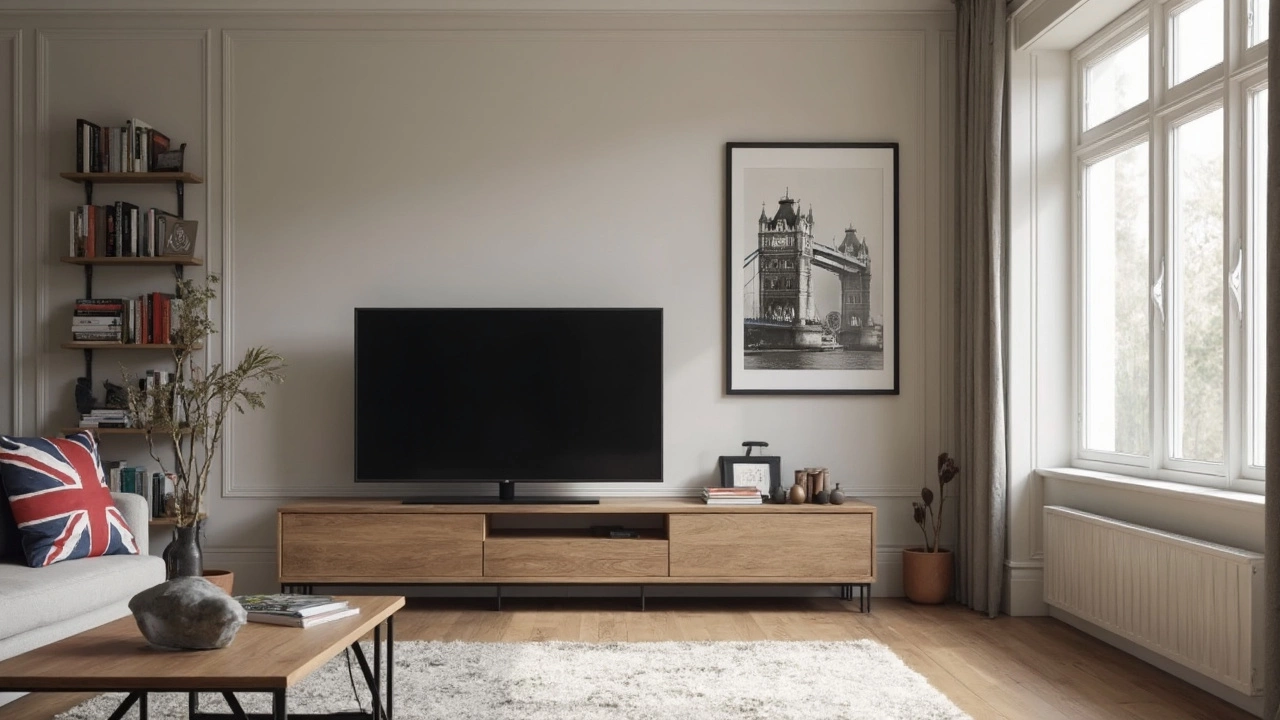
4. Position TV stands or wall mounts. A wall‑mounted TV saves floor space, but make sure the mount can support the size of your screen. If you opt for a stand, pick one that matches the height of your seated eye line – usually 40‑50 cm from the floor.
5. Add coffee tables wisely. The standard rule is to keep the table 45‑65 cm from the sofa edge. If you like a low‑profile look, a 12‑inch table works fine, but be sure it’s sturdy enough for drinks and books.
6. Use storage smartly. Closets, wardrobes or built‑in shelves should sit against a wall that doesn’t block windows. For a garage‑style storage solution, avoid unheated spaces – cold can warp wood and cause mold. If you must store furniture in a garage, wrap items in breathable covers and use a dehumidifier.
7. Test and tweak. Walk through the room after you’ve placed everything. Sit on the sofa, look at the TV, check the coffee table height. If something feels off, move it a few centimeters – small changes can make a big difference.
By following these steps you’ll turn a cluttered room into a space that feels open, functional and inviting. Remember, the goal isn’t to buy new pieces but to use what you have in a smarter way. Happy arranging!